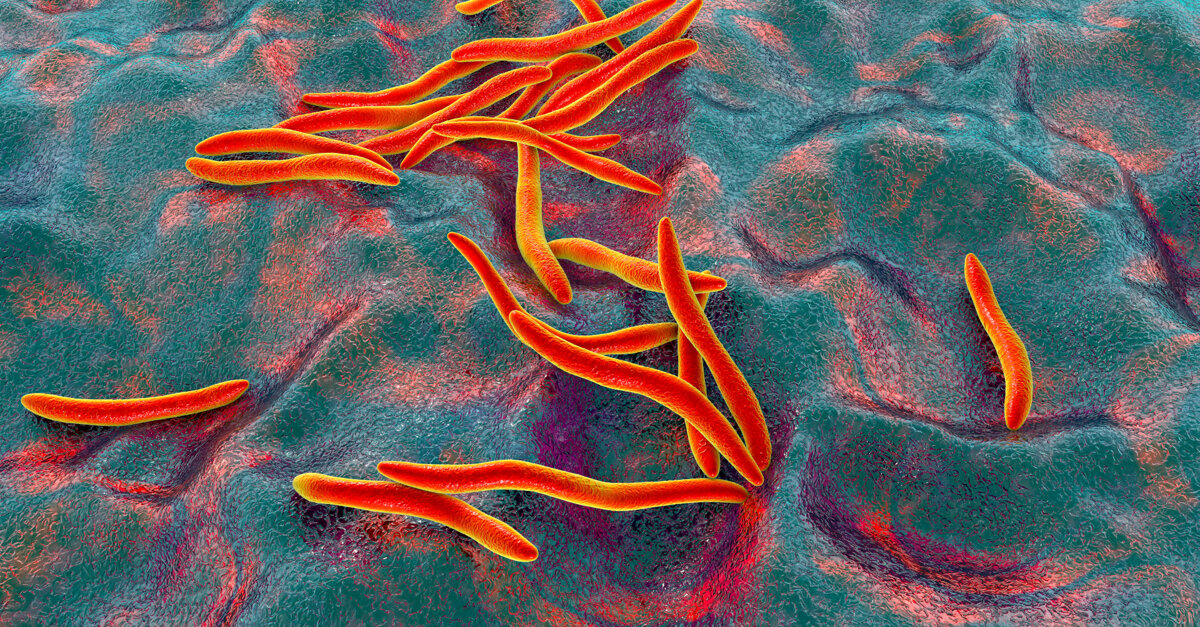
Gum disease bacterium Fusobacterium nucleatum linked to breast cancer growth
Study provides a biological mechanism connecting periodontal pathogens to breast cancer, relevant when counselling high-risk patients on systemic effects of gum disease.
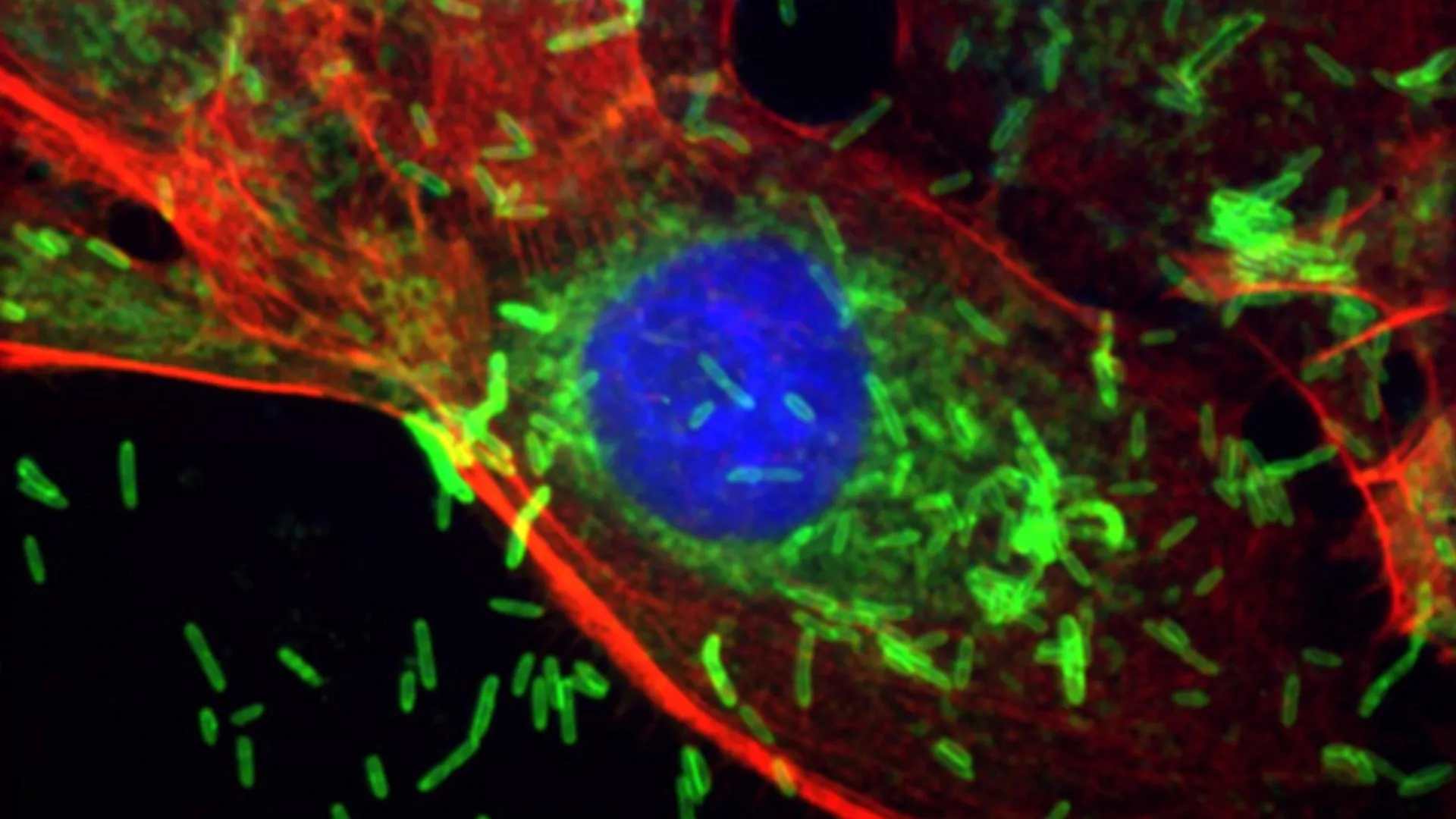
Researchers at the Johns Hopkins Kimmel Cancer Center and the Bloomberg~Kimmel Institute for Cancer Immunotherapy have found that Fusobacterium nucleatum, a bacterium commonly associated with periodontal disease, can travel through the bloodstream, settle in breast tissue, and promote cancer initiation and spread. The study was published in Cell Communication and Signaling on March 19, 2026. F. nucleatum was previously connected to colorectal cancer, but this research extends that link to breast tissue, where the bacterium triggers inflammation, DNA damage, and early cellular changes associated with malignancy. In animal models, its presence accelerated tumor growth and increased metastasis from breast to lung tissue. The bacterium activates error-prone DNA repair pathways, including nonhomologous end joining, and raises levels of a protein called PKcs, which is associated with cancer cell invasion and resistance to chemotherapy. Cells carrying BRCA1 mutations showed heightened susceptibility because they express elevated levels of a surface sugar (Gal-GalNAc) that helps F. nucleatum attach and enter. These cells retained the bacterium across multiple generations, compounding DNA damage over time. For dental professionals, the study adds biological detail to the existing observational evidence linking periodontal disease to breast cancer risk, and may inform how clinicians discuss the systemic consequences of gum disease with patients, particularly those with known BRCA1 mutations.