AMY1 Gene Copy Number Linked to Starch-Driven Cavity Risk
Patients with high AMY1 copy numbers may need specific advice about brushing after starchy meals, not only sugary ones.
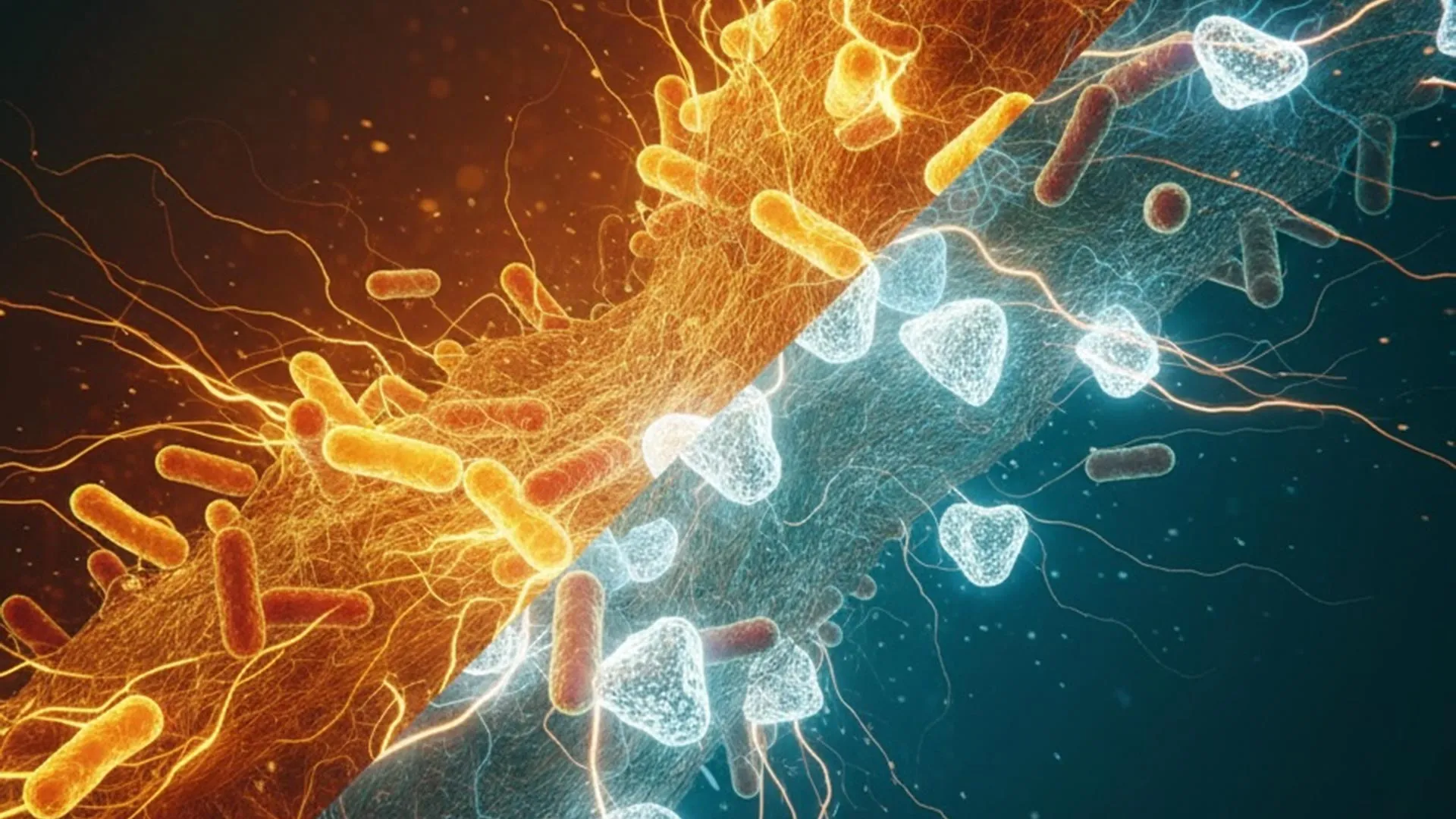
A Cornell University study published in Microorganisms in 2025 found that the number of copies of the AMY1 gene, in combination with dietary starch intake, alters the composition of oral bacteria in ways that may increase cavity and periodontal disease risk. AMY1 codes for salivary amylase, the enzyme that breaks down starch in the mouth. In a sample of 31 participants from Ithaca, N.Y., AMY1 copy numbers ranged from 2 to 20. People with higher copy numbers broke down starch more efficiently, which in turn increased populations of bacteria such as Streptococcus that feed on the resulting sugars. Prior research by the same group had already linked high AMY1 copy numbers to elevated levels of Porphyromonas endodontalis, a species associated with periodontitis. This study adds evidence that the oral microbiome has co-evolved alongside rising AMY1 copy numbers, with higher counts more common in populations with a long history of starch consumption. For dental professionals, the practical implication is that starchy carbohydrates may carry a caries and periodontal risk that varies by patient genetics, not just by sugar consumption. Patients with high AMY1 copy numbers may need the same post-meal brushing guidance typically reserved for sugary foods when they eat digestible starches.