Oral bacterium linked to breast cancer development in preclinical study
Research links common oral bacterium to breast cancer risk; dentists should counsel patients on periodontal disease prevention.
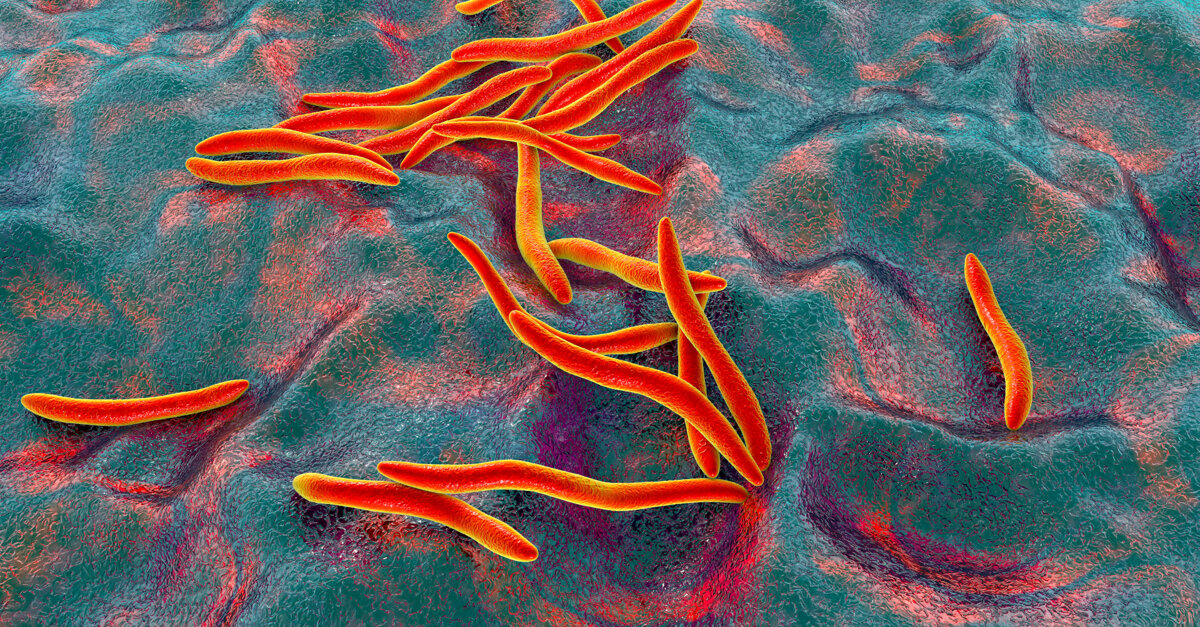
Researchers at Johns Hopkins University have found that Fusobacterium nucleatum, an oral bacterium associated with periodontal disease, may contribute to breast cancer initiation and progression. The study, published in Cell Communication and Signaling on 15 January 2026, demonstrates a potential systemic link between oral pathogens and cancer development beyond the oral cavity.
How F. nucleatum affects breast cancer cells
In laboratory models, the researchers observed that F. nucleatum was present in breast cancer tissue, with bacterial abundance in tumours correlating positively with oral levels in the same patients. Healthy mice exposed to F. nucleatum developed mammary gland hyperplasia within weeks. In tumour-bearing mice, exposure to the bacterium accelerated breast tumour growth and enhanced cancer cell migration and invasion, key features of metastatic progression.
The team identified a mechanism behind these effects: breast cells exposed to F. nucleatum experienced DNA damage and altered DNA repair processes. Exposed cells exhibited more aggressive behaviour, including increased migration, invasion, self-renewal capacity, and reduced sensitivity to therapy. The effect was especially pronounced in cells with BRCA1 mutations, which showed greater uptake and retention of the bacterium due to higher levels of a surface sugar that aids microbial attachment and entry.
Implications for oral health and cancer prevention
Senior author Dr Dipali Sharma noted that while the study does not establish a causal link between periodontal disease and breast cancer, the findings raise questions about the relationship, particularly in women with BRCA1 mutations. She emphasised that cancer is multifactorial, influenced by both genetic and modifiable risk factors. Good oral hygiene and timely treatment of periodontal disease may form part of broader prevention strategies. However, further clinical studies are needed to determine whether oral health status could inform breast cancer risk assessment.
Frequently asked questions
What is the link between F. nucleatum and breast cancer?
A Johns Hopkins study published in January 2026 found that Fusobacterium nucleatum, an oral bacterium associated with periodontal disease, may contribute to breast cancer development. The bacterium was present in breast cancer tissue, and its abundance in tumours correlated with oral levels in the same patients.
How did researchers test F. nucleatum in the study?
In laboratory models, healthy mice exposed to F. nucleatum developed mammary gland hyperplasia within weeks. Tumour-bearing mice showed accelerated breast tumour growth upon exposure. Breast cells exposed to the bacterium exhibited DNA damage, altered repair processes, and increased migration and invasion capabilities.
Are women with BRCA1 mutations at higher risk?
The study found that breast cells with BRCA1 mutations showed greater uptake and retention of F. nucleatum, likely due to higher levels of a surface sugar that helps the bacterium attach to cells. This suggests a possible increased vulnerability in women with BRCA1 mutations, though further clinical research is needed.
Does this study prove periodontal disease causes breast cancer?
No. The researchers explicitly stated that the study does not establish a causal link between periodontal disease and breast cancer. Further clinical studies are needed to determine the real-world relevance of these preclinical findings.
What should dentists advise patients about oral health and cancer prevention?
While the study does not confirm causation, Dr Sharma noted that good oral hygiene and timely treatment of periodontal disease may form part of broader cancer prevention strategies, as cancer is influenced by both genetic and modifiable risk factors.