Biocompatible powder whitens teeth without peroxide damage
Home whitening without peroxide damage: new material shows promise for safer aesthetic and restorative outcomes.
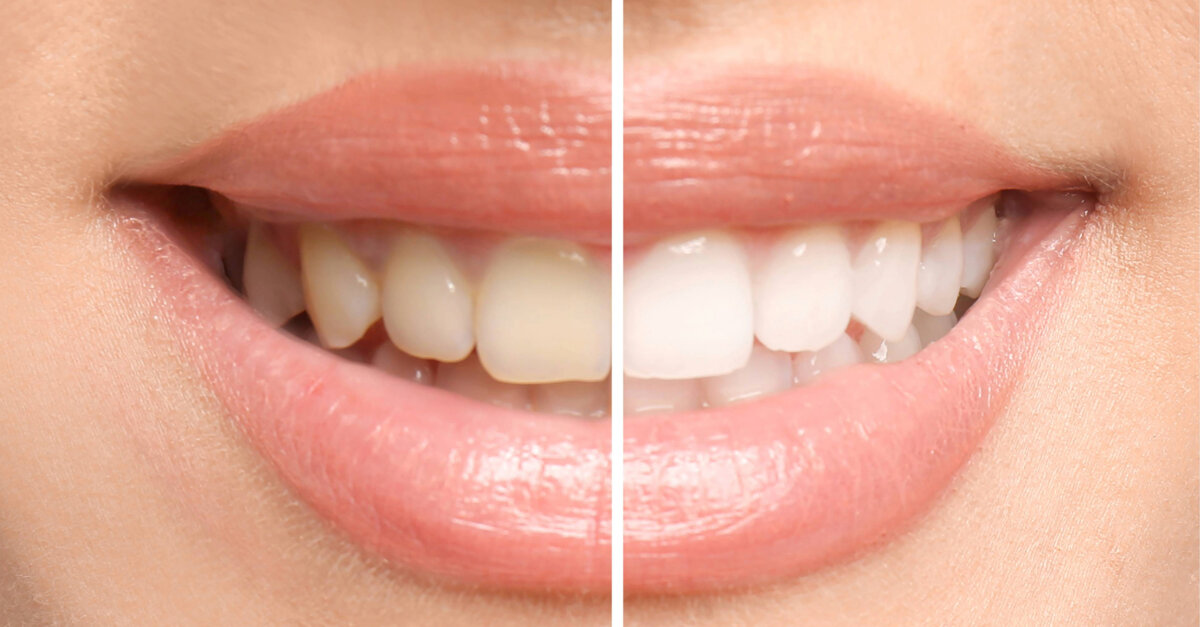
New whitening approach avoids peroxide drawbacks
Researchers have developed a biocompatible powder that whitens teeth when activated by the mechanical action of brushing. Unlike peroxide-based treatments, this approach avoids enamel damage, gingival irritation, and disruption of the oral microbiome. The powder breaks down organic stains on the tooth surface through mechanical activation rather than aggressive chemical oxidation.
Multiple benefits beyond stain removal
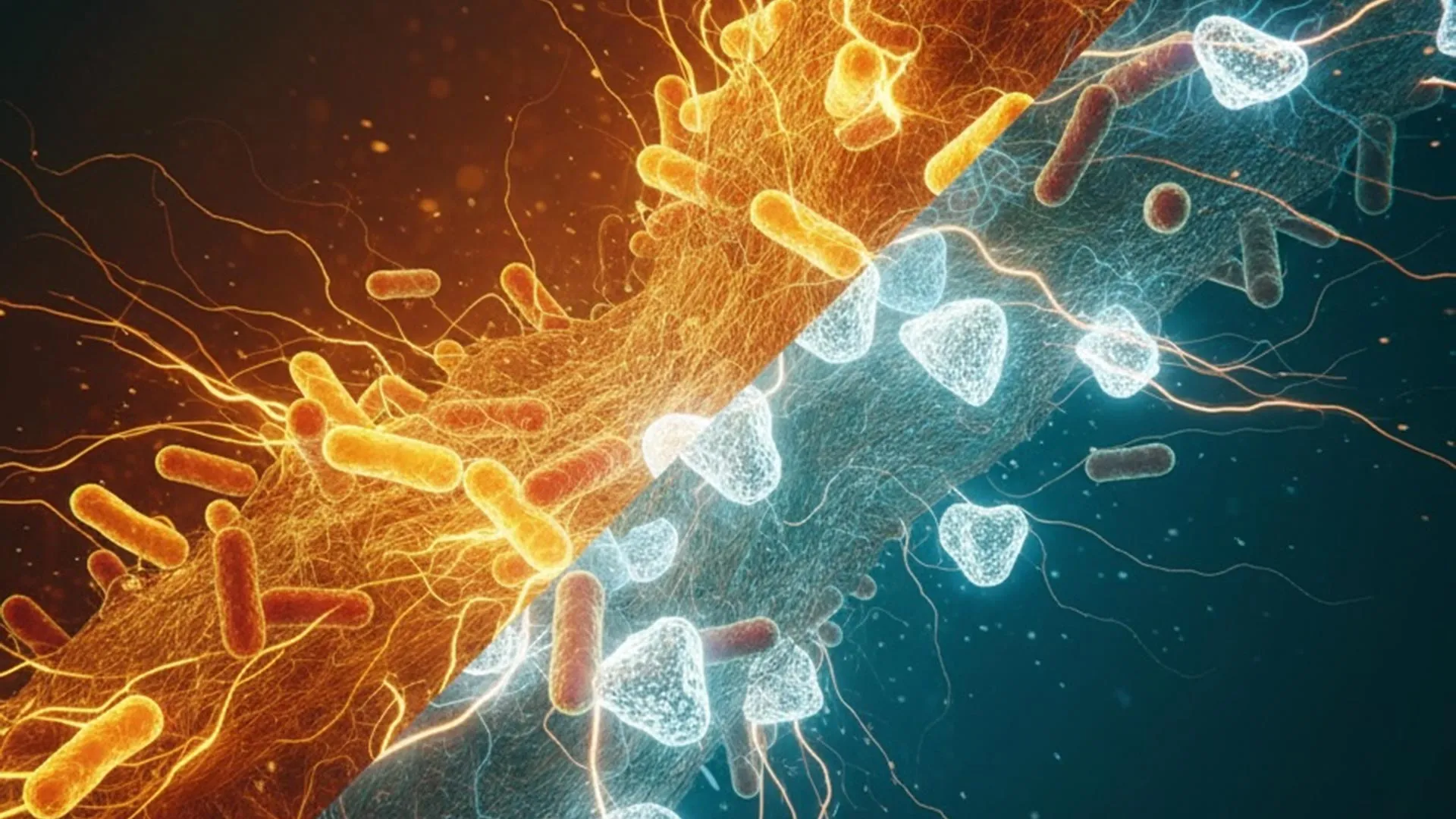
The material releases calcium and strontium ions that support remineralisation of enamel and dentine. Both ions have been shown to promote dental pulp stem cell differentiation into cells involved in dentine formation, suggesting potential for dentine repair at a cellular level. The powder also demonstrates antibacterial effects, weakening cariogenic and periodontal pathogens by disrupting their cell membrane function while supporting the recovery of beneficial oral bacteria.
Potential for home use and clinical impact
By combining whitening, remineralisation, and microbial regulation in a single brushing-activated system, this technology addresses multiple limitations of existing whitening products. Its simplicity suggests potential for home use, which could reduce dependence on in-office procedures. The study was published on 20 January 2026 in ACS Nano, but long-term clinical validation is needed to confirm these benefits in real-world conditions.
Frequently asked questions
How does the new whitening powder work differently from peroxide treatments?
The powder whitens teeth through mechanical activation during brushing, breaking down organic stains without aggressive oxidation. Peroxide treatments use chemical oxidation, which can damage enamel and irritate gingiva. The new approach demonstrates superior biological safety and tissue compatibility.
Can this powder repair tooth enamel and dentine?
Yes. The powder releases calcium and strontium ions that support remineralisation of enamel and dentine. Both ions promote dental pulp stem cell differentiation into cells involved in dentine formation, suggesting potential for cellular-level dentine repair.
Does the powder affect the oral microbiome?
The powder weakens cariogenic and periodontal pathogens by disrupting their cell membranes while supporting beneficial oral bacteria recovery. This promotes a more balanced microbial environment compared to peroxide treatments, which typically disrupt the entire oral microbiome.
Is this whitening powder safe for home use?
The technology was designed with simplicity for home use in mind. However, long-term clinical validation studies are needed to confirm safety and efficacy in real-world conditions before it can be recommended for routine home whitening.