Trained Innate Immunity Worsens Bone Loss in Periodontitis Models
Patients with prior infections may have a primed innate immune system that accelerates alveolar bone loss in periodontitis.
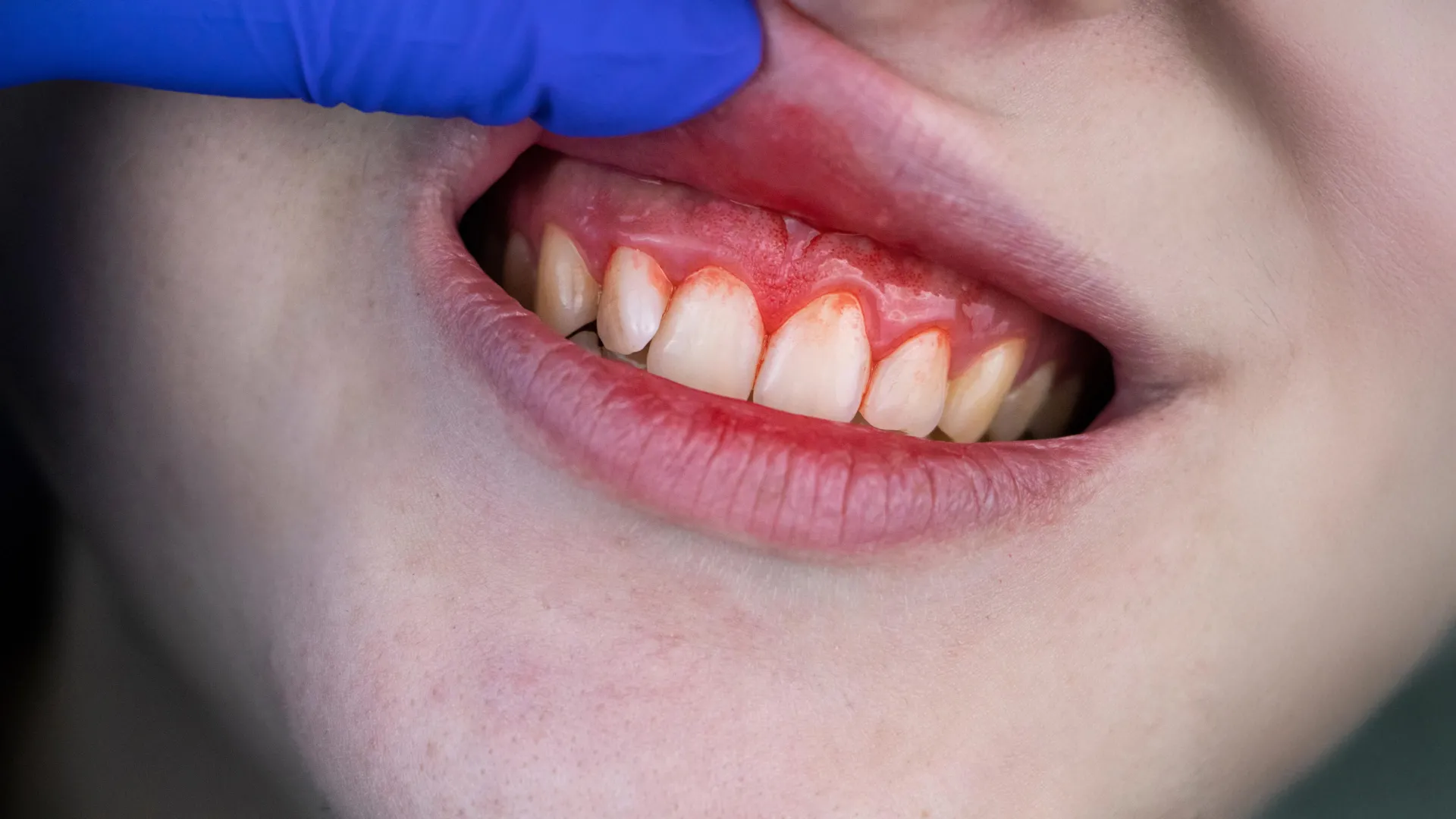
Researchers from the University of Pennsylvania and TU Dresden have found that trained innate immunity (TRIM) increases inflammatory bone loss in experimental models of periodontitis and arthritis. The study, published in Developmental Cell, used beta-glucan, a compound found in certain fungi, to induce TRIM and measured osteoclast activity in mouse models of both conditions.
TRIM refers to the capacity of the innate immune system to mount a stronger response upon re-exposure to the same or a different stimulus. Earlier work suggested this effect could be beneficial, for example by inhibiting tumor growth or improving responses to infection. This study shows the picture is more complex: in the presence of a secondary inflammatory challenge such as periodontitis or arthritis, TRIM-primed osteoclast precursors differentiate into bone-resorbing osteoclasts more readily, driving greater bone loss.
Importantly, beta-glucan alone did not cause bone loss. A secondary inflammatory trigger was required, which means the outcome of TRIM, protective or harmful, depends on the biological context in which it occurs. For periodontists and rheumatologists, this has direct relevance: patients with a history of prior infections may have a primed innate immune system that accelerates alveolar bone loss when periodontitis develops. The findings caution against the uncritical use of TRIM-inducing agents in therapeutic settings without accounting for pre-existing inflammatory conditions.