Maternal antibodies may programme lifelong gum disease resistance
Mouse study suggests maternal antibodies shape oral immunity into adulthood, informing future periodontal prevention strategies.
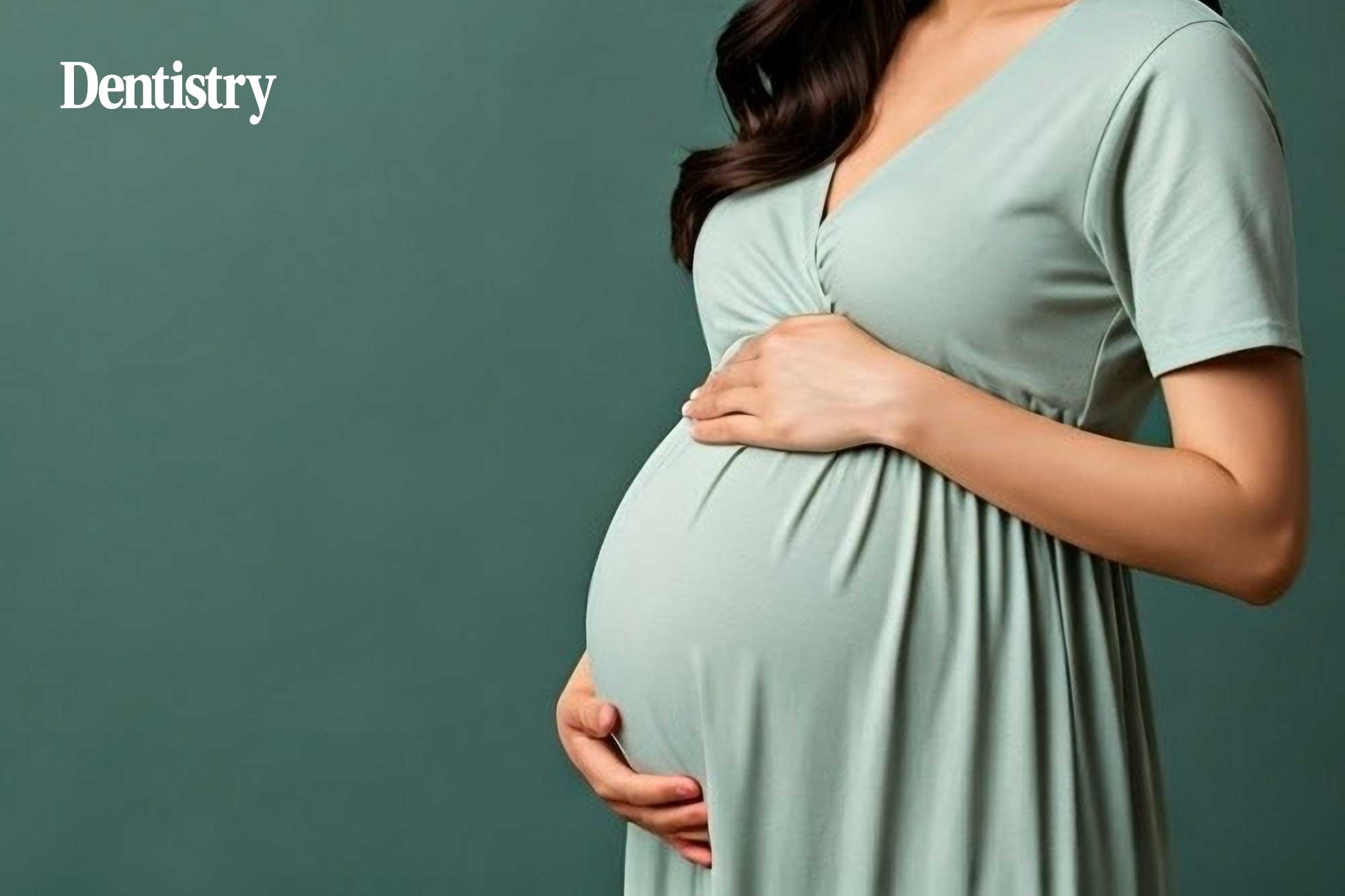
New research published in Nature Communications suggests that antibodies transferred from mother to child before birth and through breastfeeding may shape the oral immune system in ways that persist into adulthood and reduce susceptibility to periodontitis. The study, led by Professor Avi-Hai Hovav and DMD/PhD student Reem Naamneh at the Hebrew University of Jerusalem Faculty of Dental Medicine, used laboratory mouse models to examine how maternal immunoglobulin G (IgG) antibodies operate beyond providing short-term protection in infancy.
Two distinct pathways of immune transfer
Antibodies transferred during pregnancy reach neonatal salivary glands and are secreted into saliva, where they establish immune tolerance and help the developing immune system distinguish between harmless bacteria and genuine threats. Mice lacking these prenatal antibodies showed heightened immune cell activation, higher bacterial loads in salivary glands and gums, and significantly increased susceptibility to periodontitis in adulthood. Breast milk antibodies served a separate function: supporting the physical development of the oral epithelium and maintaining mucosal barrier integrity. When these antibodies were absent or disrupted by antibiotic exposure, that barrier weakened.
Targeted protection and future prevention strategies
The researchers identified that maternal IgG specifically targets bacteria from the Pasteurellaceae family, pathobionts linked to aggressive forms of periodontitis. This suggests a degree of targeted protection passed from mother to child. The team proposes that these findings could support future preventive strategies, including maternal immunisation during pregnancy, which might enhance specific antibodies passed to offspring and reduce their risk of chronic oral infection later in life. The authors note that further research in human populations will be needed before clinical conclusions can be drawn, as the current findings are based on mouse models.
Frequently asked questions
How do maternal antibodies prevent gum disease in children?
Maternal immunoglobulin G antibodies transfer during pregnancy to salivary glands and through breast milk to support oral epithelial development. They establish immune tolerance in the developing immune system and help distinguish harmful bacteria from harmless ones, reducing periodontitis risk in adulthood.
What bacteria do maternal antibodies specifically target?
Maternal IgG antibodies specifically target Pasteurellaceae family bacteria, which are pathobionts linked to aggressive forms of periodontitis. This targeted protection is passed from mother to child during pregnancy and breastfeeding.
Can maternal immunisation reduce gum disease risk in children?
Researchers propose that maternal immunisation during pregnancy could enhance specific antibodies passed to the child and reduce chronic oral infection risk later in life. However, further research in human populations is needed before clinical conclusions can be drawn.
What happens if children lack prenatal maternal antibodies?
Mice lacking prenatal antibodies showed heightened immune cell activation, higher bacterial loads in salivary glands and gums, and significantly increased susceptibility to periodontitis in adulthood.
Does breastfeeding affect the oral immune system?
Breast milk antibodies support physical development of the oral epithelium and mucosal barrier integrity. When absent or disrupted by antibiotics, barrier integrity weakens, affecting immune protection.