Toothpaste tablets often fail fluoride standards, study finds
Study shows half of tested toothpaste tablets fail fluoride standards; clinical implications for patient recommendations.
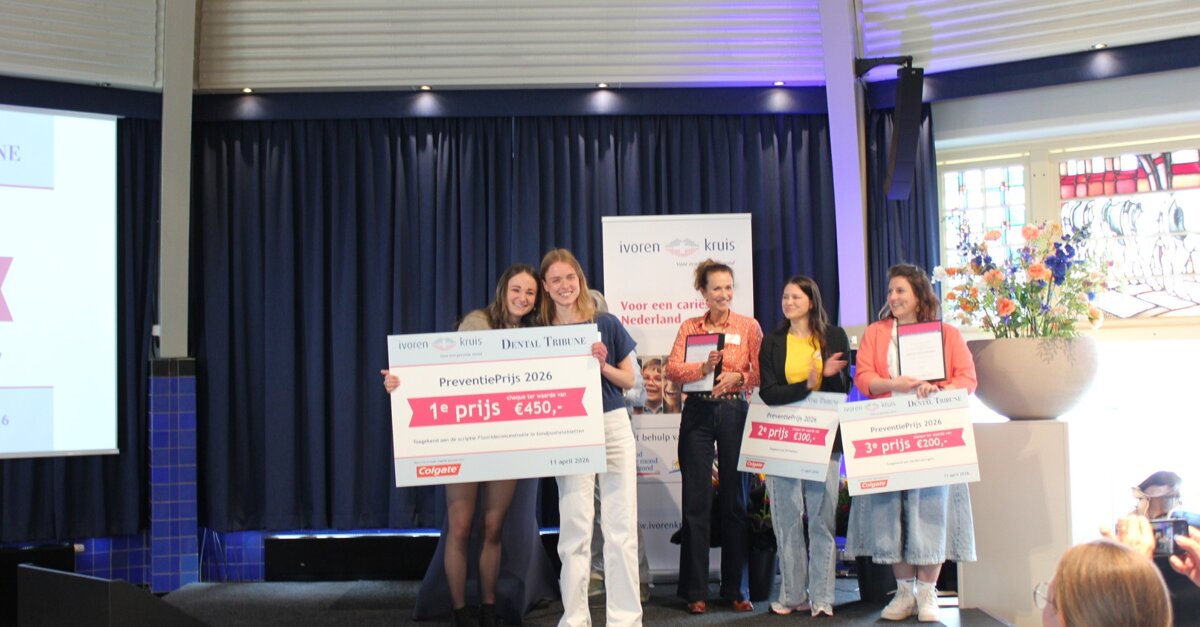
Dental students Anne Landwer Johan and Rosemarijn van de Woestijne won the 2026 Backer Dirks Prevention Prize for their bachelor thesis on fluoride concentrations in toothpaste tablets. Their research, conducted at ACTA's Department of Preventive Dentistry, tested fluoride levels across a large sample of tablet products and found that ten of twenty brands failed to meet established guidelines.
Why fluoride standards matter for toothpaste tablets
The WHO recommends fluoride concentrations of 1000-1500 ppm in conventional toothpaste, and 400-550 ppm in children's toothpaste for ages under six. Adequate fluoride is essential for effective caries prevention. Concentrations that are too high can cause fluorosis and muscle spasms, while inadequate levels reduce preventive effectiveness.
Toothpaste tablets have gained popularity as consumers seek to reduce plastic waste from conventional tubes. However, the thesis conclusions show that not all tablets deserve preference over tube toothpaste. The brands AH, Etos, Happy tabs, Lamazuna, Lazea V34, and T-brush showed demonstrably low free and total fluoride concentrations. These products may fail to deliver the caries protection consumers expect. The study recommends that users of substandard tablets switch to conventional tube toothpaste that meets recommended fluoride levels.
Which tablets met standards and how they were tested
Six brands passed the fluoride guidelines: DenXabs, Happysoaps, Humblebrush, I+M, Oceonics, and Smyle. When packaging requirements were considered, Smyle tablets performed best overall. The researchers compared two measurement methods: electrode measurements and gas chromatography analysis. The two techniques showed no significant differences, validating both as reliable testing approaches.
Two other prevention initiatives also received recognition. De Poetsbus, founded by dental hygienist Judith Bout and her daughter Amanda Langenberg, converted an American school bus into a mobile dental hygiene clinic serving primary schools, preschools, and language centres. De Mondzorglijn, a Flemish initiative, received third prize for establishing structural preventive dental care programmes in nursing homes, with 188 facilities now enrolled. The next Backer Dirks Prevention Prize competition will take place in 2028.
Frequently asked questions
Which toothpaste tablet brands failed fluoride testing?
Ten of twenty brands tested showed inadequate fluoride levels: AH, Etos, Happy tabs, Lamazuna, Lazea V34, and T-brush demonstrated demonstrably low free and total fluoride concentrations. Researchers recommend patients using these products switch to conventional tube toothpaste that meets WHO guidelines.
What fluoride concentrations does WHO recommend for toothpaste?
WHO recommends 1000-1500 ppm fluoride for conventional toothpaste and 400-550 ppm for children's toothpaste for ages under six. These concentrations are necessary for effective caries prevention while minimizing risk of fluorosis or other adverse effects.
Which toothpaste tablet brands passed the fluoride study?
Six brands met established guidelines: DenXabs, Happysoaps, Humblebrush, I+M, Oceonics, and Smyle. Smyle tablets performed best when packaging requirements were also evaluated.
Why are toothpaste tablets becoming more popular?
Consumers increasingly choose toothpaste tablets to reduce plastic waste from conventional tubes. As awareness of environmental impact grows, tablets offer a more sustainable alternative, though this study shows fluoride quality varies significantly between brands.
What measurement methods were used to test fluoride levels?
The study compared electrode measurements and gas chromatography analysis. Both techniques showed no significant differences, confirming that either method provides reliable fluoride concentration data.