Cadaveric Materials in Dental Education: A Scoping Review
Review documents anatomy teaching dominance but reveals lack of evidence linking cadaver training to improved surgical patient care.
What the review found
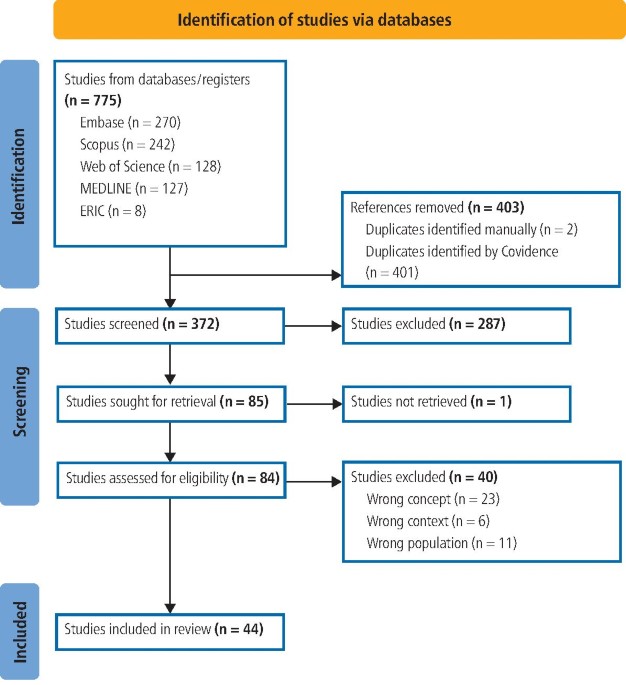
A scoping review of 44 published studies spanning 1972 to 2023 examined how cadaveric materials are used in dental education and training. The review analysed databases including Ovid MEDLINE, Scopus, ERIC, Web of Science and Embase. The authors identified the range of applications, outcome measures, and challenges associated with cadaver use in dental schools and postgraduate programmes.
Main uses and training stages
Cadaveric material was predominantly used in undergraduate anatomy teaching, featuring in 93 percent of studies. All such studies involved dental students, with one also including dental hygiene students. Postgraduate use was limited to five studies involving dentists. Beyond anatomy, cadavers were used for teaching local anaesthetic injection (three studies), exodontia or tooth extraction (two studies), suturing (two studies), forensic identification (two studies), and implant procedures including bone harvesting and sinus lifts (one study). Some studies combined multiple applications. Cadaveric specimens were preserved using various methods: plastination (four studies), fresh frozen (two studies), Thiel embalming (five studies), and other embalming techniques (four studies).
Outcome measures and documented challenges
The review found no universal outcome measure for evaluating cadaveric learning effectiveness. Of 44 studies, 31 reported outcome measures: student feedback via questionnaires (22 studies), test and assessment results (13 studies), and staff feedback (2 studies). Student feedback focused on self-reported confidence, attitudes, perceptions, and emotional responses. Knowledge assessment typically used written tests, clinical examinations, and practical scores. Challenges centred on three areas: preparation and storage (specimen availability, preservation expertise, cost, storage space, regulatory compliance), teaching delivery (shortage of qualified anatomy instructors, time constraints, lack of clinical links), and student engagement (emotional concerns, infection control fears). Some embalming techniques, particularly Thiel preservation, offered improved soft tissue realism but limited positional adjustment for procedures like extractions.
Frequently asked questions
What are cadaveric materials mainly used for in dental schools?
Cadaveric materials are predominantly used for undergraduate anatomy teaching, featuring in 93 percent of the 44 studies reviewed. They are also used for local anaesthetic training, exodontia (tooth extraction), forensic identification, and some postgraduate surgical skills including implant procedures.
How are cadavers preserved for dental education?
Preservation methods include plastination, fresh frozen specimens, Thiel embalming, and other embalming techniques. Thiel embalming was noted in five studies and offers improved soft tissue realism compared to standard methods, though 29 studies did not specify their preservation technique.
What outcome measures are used to evaluate cadaveric learning in dentistry?
No universal outcome measure was found across the studies. Common measures included student self-reported confidence (22 studies), written and practical test scores (13 studies), and staff feedback (2 studies). Self-reported confidence was the most frequently reported measure, but evidence linking this to improved surgical skill in patient care was limited.
What are the main challenges with using cadavers in dental training?
Challenges fall into three categories: preparation and storage (specimen availability, cost, regulatory compliance), teaching delivery (shortage of qualified anatomy instructors, time constraints), and student engagement (emotional concerns, infection control worries).
Is there evidence that cadaver training improves dental surgical skills?
The review found limited publications reporting the translation of cadaveric learning to surgical skill development and subsequent patient care delivery. Most outcome measures relied on student feedback rather than objective measures of clinical ability.