Bioengineered chewing gum reduces cancer-linked oral pathogens
New bioengineered gum shows promise reducing HPV and harmful oral bacteria linked to head and neck cancer in early testing.
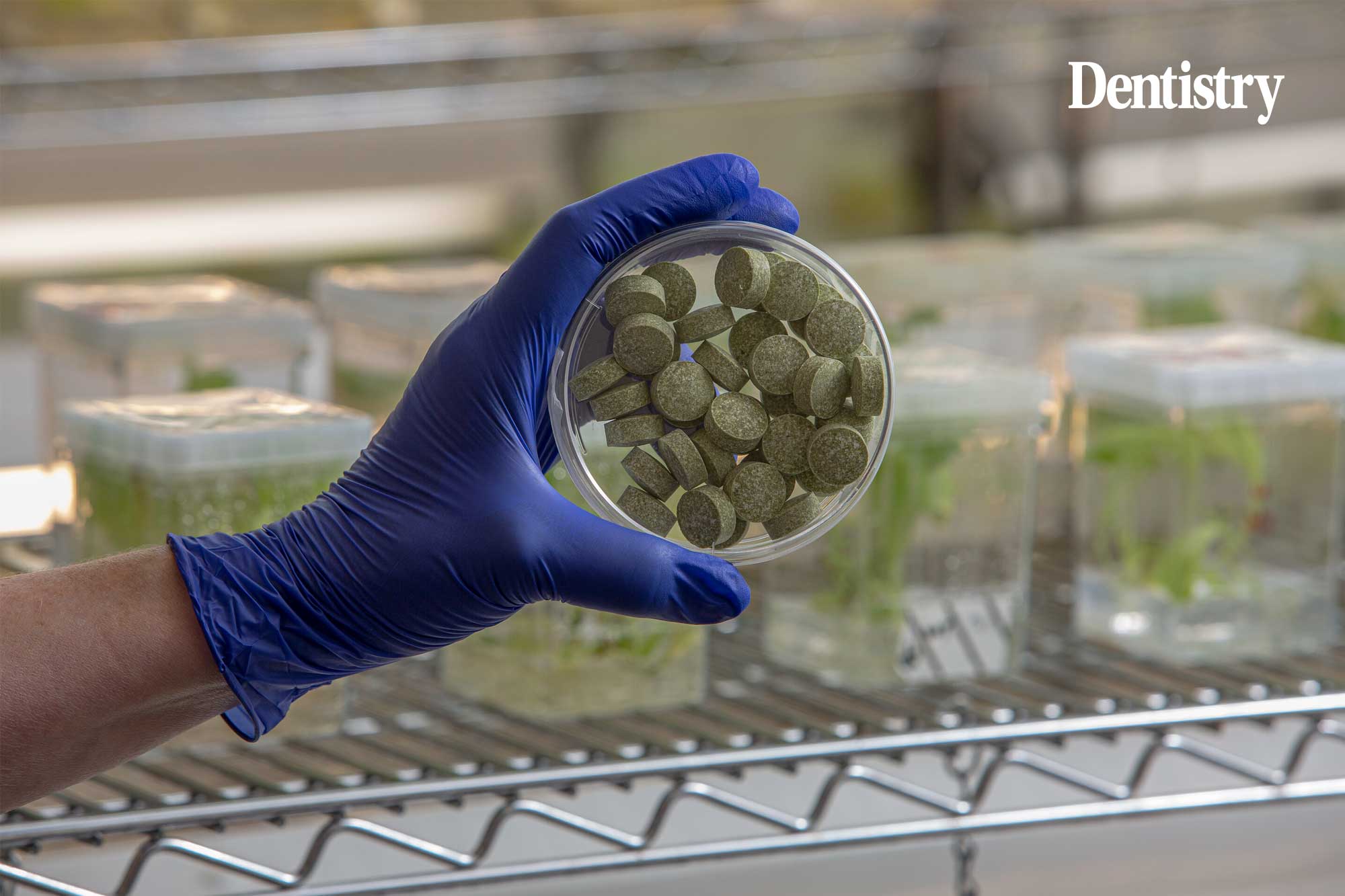
Researchers at the University of Pennsylvania School of Dental Medicine have developed a chewing gum bioengineered to reduce levels of microbes linked to head and neck squamous cell cancer. The gum is made from lablab beans and contains FRIL, a naturally antiviral protein that reduced human papillomavirus (HPV) by 93% in saliva and 80% in oral rinse samples when tested on patients with head and neck cancer.
How the gum targets harmful bacteria
The gum combines FRIL with protegrin, an antibacterial peptide. Together, these agents reduced levels of Porphyromonas gingivalis and Fusobacterium nucleatum bacteria to near-zero while preserving beneficial oral bacteria. This selective action distinguishes the gum from existing antimicrobial treatments such as radiation therapy, which reduce helpful bacteria and can increase disease-causing yeast populations.
Why head and neck cancer treatment needs new approaches
Head and neck cancer mortality rates in the UK are projected to increase by 11% between 2024-2026 and 2038-2040, with around 6,700 deaths expected each year by 2038-2040. Lip and oral cavity cancer was the seventh leading cancer type worldwide in incidence and mortality for adolescents, young adults, and middle-aged adults in 2022. Lead researcher Henry Daniell noted that most recently approved cancer drugs have not significantly improved quality of life or five-year survival rates. The researchers propose advancing the therapy to clinical trials as an adjuvant with current treatments or as a preventive measure to block infection and transmission.
Frequently asked questions
What pathogens does the bioengineered chewing gum target?
The gum reduces human papillomavirus (HPV), Porphyromonas gingivalis, and Fusobacterium nucleatum. HPV was reduced by 93% in saliva samples. These microbes are associated with head and neck squamous cell cancer.
What active ingredients are in the new chewing gum?
The gum is made from lablab beans and contains FRIL, a naturally antiviral protein, combined with protegrin, an antibacterial peptide. FRIL is responsible for the antiviral action against HPV.
How does this gum differ from radiation therapy for oral cancer?
Unlike radiation therapy, which reduces beneficial bacteria and increases yeast populations, this chewing gum selectively eliminates harmful pathogens while preserving beneficial oral bacteria colonies.
What are UK projections for head and neck cancer deaths?
UK head and neck cancer mortality rates are projected to increase by 11% between 2024-2026 and 2038-2040, with around 6,700 deaths expected each year by 2038-2040 according to Cancer Research UK.
What is the next step for this bioengineered gum?
Researchers propose advancing the therapy to clinical trials, either as an adjuvant with current cancer treatments or as a preventive measure to block infection and transmission.