Hybrid decompression improves aligner efficiency in anterior open bite
Hybrid aligner protocols using preliminary decompression can reduce IPR and improve vertical control in anterior open bite correction.
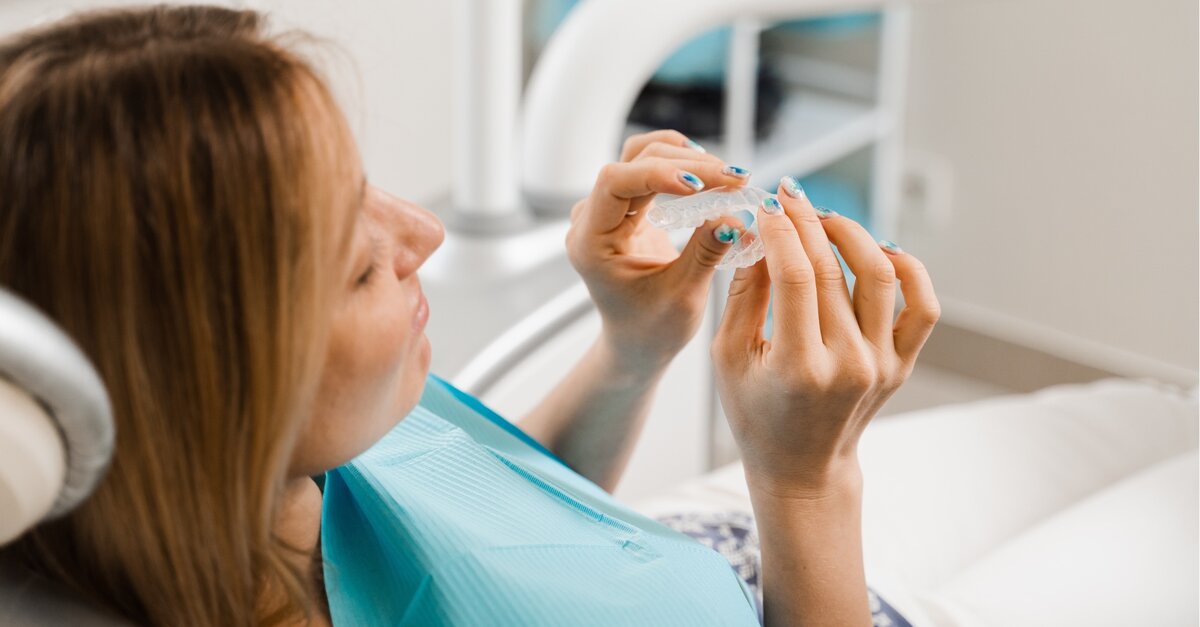
A hybrid treatment strategy combining sagittal decompression, transverse expansion, and aligner therapy can improve the efficiency and predictability of anterior open bite correction while minimising the need for interproximal reduction (IPR). Tight interproximal contacts during crowding reduce aligner accuracy and tooth movement efficiency, but preliminary biomechanical decompression can create space without irreversible enamel reduction.
Why preliminary decompression matters
A short initial phase using the Carriere Motion Pro Clear appliance generates a slight sagittal overcorrection beyond Class I, which reduces interproximal pressure and dentoalveolar crowding. This decompression prepares the dentition for more efficient and predictable aligner movements in the subsequent phase. The strategy avoids unnecessary IPR in areas where it would compromise dental proportions, such as the maxillary arch where lateral incisor flaring and anterior open bite closure are treatment goals.
Treatment sequence and clinical objectives
The case presented an anterior open bite from canine to canine with Class I posterior occlusion and significant crowding in both arches. Treatment followed three phases: first, sagittal decompression for two months using the Carriere Motion Pro Clear appliance; second, conservative transverse expansion using a 3D-sintered Hyrax expander for one month; and third, stabilisation with passive retainers before aligner submission. IPR was performed only in the mandibular arch to correct the Bolton discrepancy, while the maxillary arch relied on biomechanical space creation to preserve dental proportions. The aligner phase required 31 aligners initially, with vertical elastics and composite buttons on the lateral incisors to achieve controlled extrusion. A second refinement phase of 11 additional aligners completed the correction. Aligner therapy objectives included maintaining Class I relationships, achieving controlled extrusion of the incisors with canine-led vertical correction, establishing an oval arch form, and maintaining torque and rotational control throughout treatment.
Clinical implications of hybrid treatment
IPR is an invasive and irreversible procedure often used to overcome biomechanical limitations rather than address true anatomical discrepancies. Hybrid orthodontics combining auxiliary appliances with aligners allows dentists to create adequate space through dentoalveolar decompression, reducing or eliminating the need for enamel reduction. This approach benefits patients by preserving tooth structure and may improve the long-term stability and quality of the final occlusal outcome.
Frequently asked questions
Why is preliminary sagittal decompression needed before aligner therapy?
Tight interproximal contacts from crowding reduce aligner accuracy and tooth movement efficiency. A short decompression phase using the Carriere Motion Pro Clear appliance creates space and reduces interproximal pressure, allowing aligners to move teeth more predictably and efficiently in the subsequent phase.
When should interproximal reduction be avoided in aligner treatment?
IPR should be avoided when tooth size discrepancies do not exist or when reduction would compromise dental proportions. In this case, IPR was omitted from the maxillary arch to preserve dental proportions despite crowding, and space was created instead through preliminary sagittal overcorrection and conservative transverse expansion.
How does canine-led extrusion improve anterior open bite correction?
Prioritising canine extrusion followed by incisor extrusion, combined with controlled posterior intrusion, enhances vertical control and predictability. This sequence improves biomechanical synergy and may contribute to better long-term stability of the open bite correction.
What is the role of the Hyrax expander in this hybrid protocol?
After sagittal decompression, a 3D-sintered Hyrax expander is used conservatively for one month to manage transverse space while preserving facial balance. The limited expansion, combined with the prior decompression, creates space mesial to the premolars and facilitates more efficient canine extrusion during the aligner phase.
How many aligner refinements were needed to achieve correction?
The initial aligner set required 31 aligners plus vertical elastics with composite buttons on the lateral incisors to achieve controlled extrusion. A second refinement phase of 11 additional aligners was then used for precise finishing of the case.