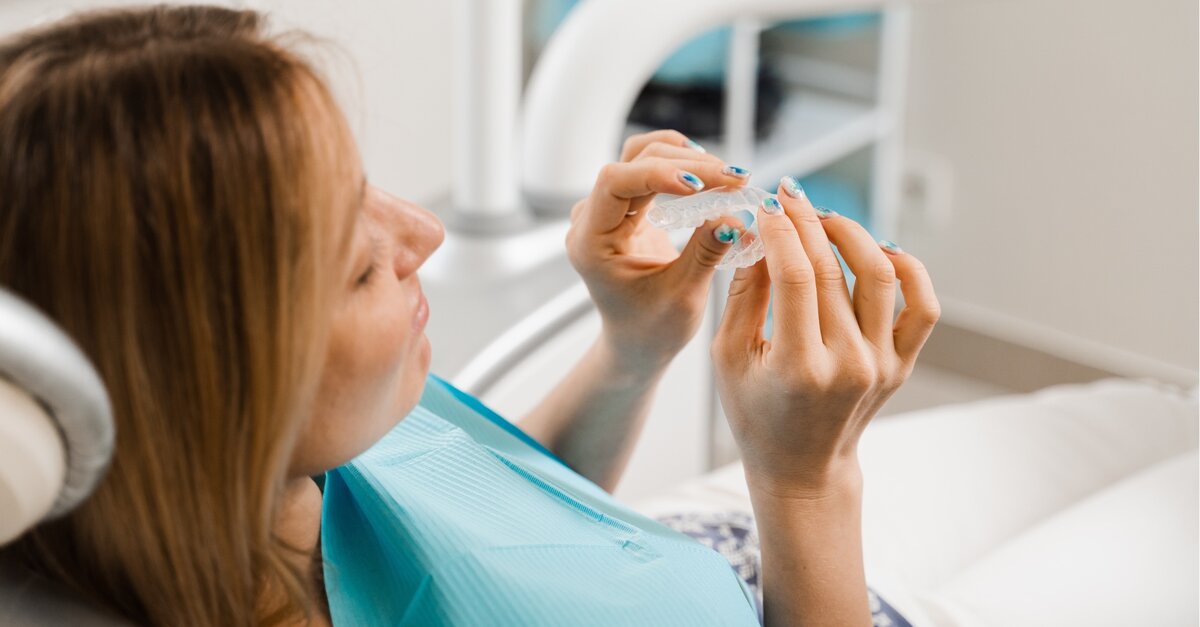
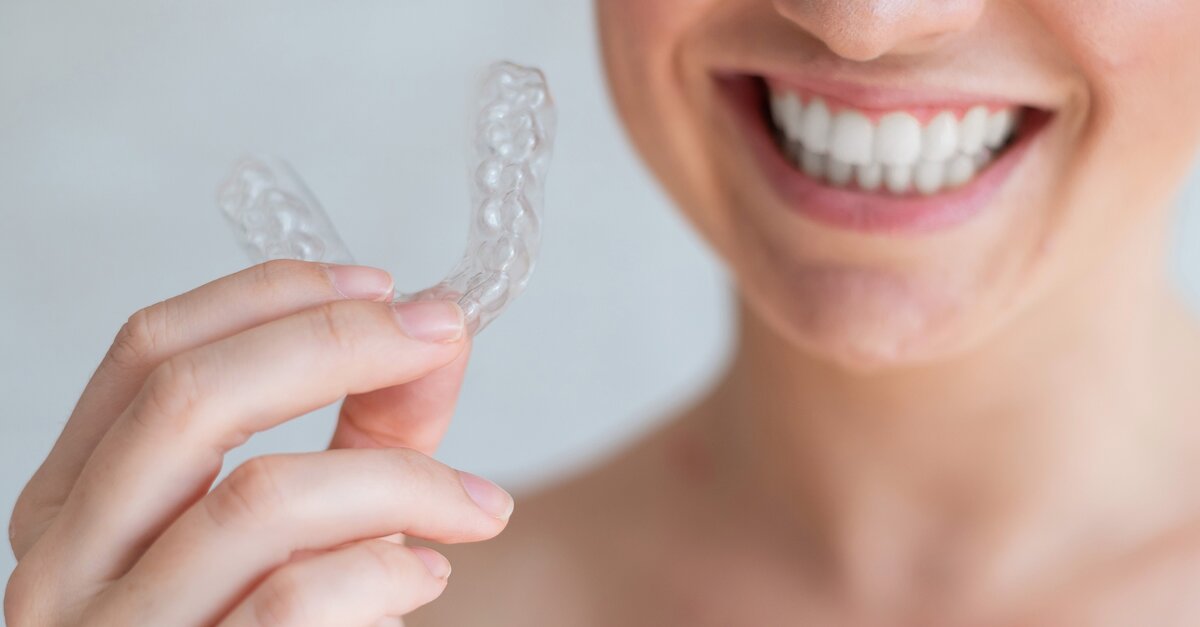
3D-printed aligners: clinical potential and remaining questions
Essential reading for orthodontists evaluating 3D-printed aligner adoption and understanding the science behind materials differences.

At the seventh European Aligner Congress, orthodontists discussed how 3D-printed aligners compare to established thermoformed systems and what barriers still prevent routine clinical use. Dr Rooz Khosravi, clinical associate professor at the University of Washington School of Dentistry, addressed the materials science and practical questions underpinning this shift in aligner technology.
How thermoformed and 3D-printed aligners differ
Thermoformed aligners are made by heating plastic sheets above their glass transition temperature and cooling them into shape. 3D-printed aligners are produced through layer-by-layer photopolymerisation of resin. Both materials exert restoring force when deformed, but they have fundamentally different properties that affect clinical behaviour, including force retention, staining resistance and thickness variation.
Current limitations of 3D-printed aligners
The main barriers to clinical adoption are extensive staining, lower force output than thermoformed systems, and unfavourable patient perception. The fabrication process is also challenging because high-viscosity 3D-printing resins complicate processing. Before 3D-printed aligners can replace thermoformed systems routinely, the field must answer key questions: How do these materials deliver force over a full wear cycle? How predictable is tooth movement? How do resins behave biologically in the oral environment over weeks and months? Do they leach chemicals?
The redesign opportunity beyond direct replication
Rather than replicating aligners with new manufacturing methods, the real potential lies in designing appliances that 3D printing makes possible. The technology allows variable thickness, integrated engagement features, lattice structures for targeted flexibility and segmental devices combining rigid and flexible zones. This could create a hybrid appliance category between aligners and fixed appliances, delivering controlled, differentiated forces with greater biomechanical precision than conventional aligners while avoiding visibility and hygiene trade-offs.
In-office 3D printing in practice
Adopting in-office 3D-printing systems requires significant financial investment, dedicated staff training and substantial learning effort for each workflow. However, the payoff includes customisation, agility in care delivery, lower-cost retainers, and improved efficiency in indirect bonding. Since 2020, resins, printers and post-processing workflows have matured considerably, making 3D-printed aligners increasingly viable in clinical settings today.
Frequently asked questions
What is the difference between thermoformed and 3D-printed aligners?
Thermoformed aligners are made by heating plastic sheets above glass transition temperature and forming them as they cool. 3D-printed aligners are produced by curing resin through layer-by-layer photopolymerisation. Both exert restoring force when deformed, but they have different properties affecting force retention, staining, and thickness.
Why are 3D-printed aligners not yet routine in clinical practice?
Key unresolved questions include how these materials deliver force over a full wear cycle, predictability of tooth movement compared to thermoformed systems, biological and mechanical behaviour in the oral environment, and whether they leach chemicals. Current limitations also include extensive staining and lower force output.
What are the challenges of adopting in-office 3D-printing systems?
Practices face significant initial financial investment, the need to hire and train a team member to operate the system, and substantial learning effort required to establish each workflow, though the payoff includes customisation, lower-cost retainers, and improved care delivery agility.
What new appliance designs could 3D printing enable?
Rather than replicating thermoformed aligners, 3D printing allows design of hybrid appliances combining rigid and flexible zones, variable thickness, integrated engagement features and lattice structures. This could create appliances between aligners and fixed systems, delivering controlled differentiated forces with greater precision.
How much has 3D-printed aligner technology advanced since 2020?
Progress has been substantial. Resins, printers and post-processing workflows have matured considerably. What was not clinically acceptable in 2020 now has real potential and is being used in practices today.