International Delphi study establishes consensus on aligner therapy indications
New international consensus clarifies aligner indications and limitations for treatment planning across the dental team.
What the consensus study found
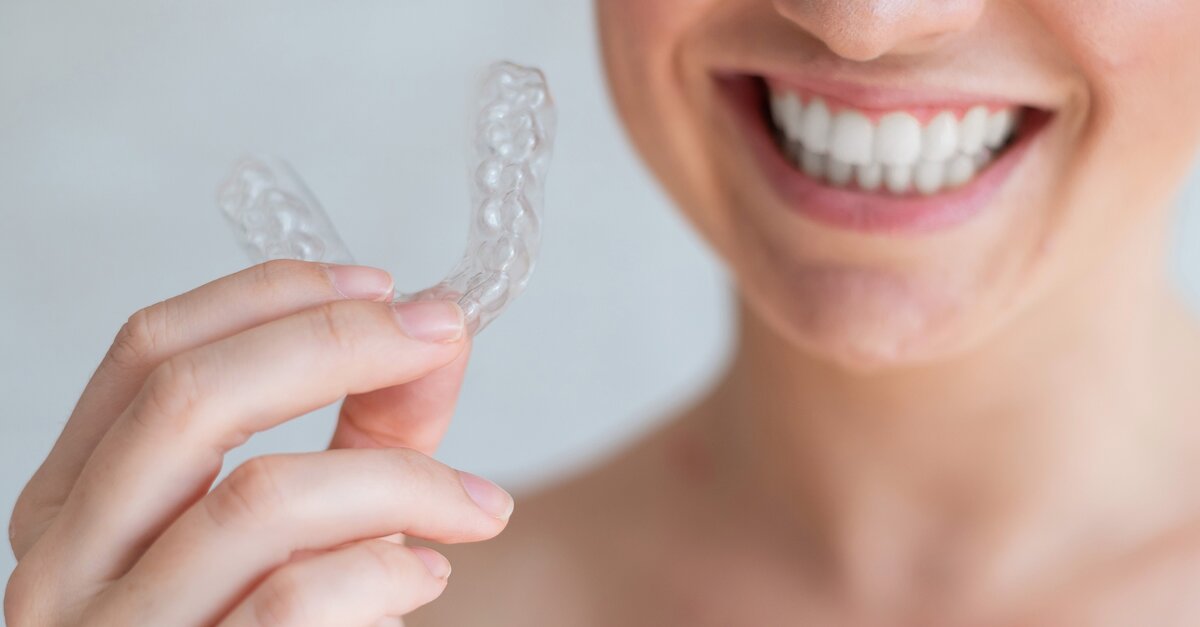
The Italian Society of Orthodontics commissioned a Delphi study involving 23 experts from multiple continents to establish international consensus on when aligners work and when they do not. The study examined aligner therapy across the entire dental community, not just specialists, to provide clinicians with evidence-based guidance on treatment planning and patient expectations.
When aligners perform well and where they fall short
The consensus confirms that aligner therapy is an effective alternative to fixed appliances for Class I occlusion with mild to moderate crowding. Aligners excel at anchorage management and maintaining molar and canine relationships. However, 91% of the expert panel agreed that aligners are less predictable for complex movements such as root torque, bodily movement, and correction of premolar or canine angulations. These limitations are inherent to polymer properties compared with metal alloys, not design flaws.
The study found no universal answer to aligner wear schedules. Whether to change aligners every seven, ten, or 14 days depends on individual patient age, biology, and the specific movements required. Fixed appliances eliminate the compliance burden, which remains the primary reason aligner therapy fails.
Transparency and hybrid approaches
The panel emphasised that practitioners must be transparent with patients about unpredictable movements, as treatment may require multiple refinement sequences. To manage biomechanical constraints, clinicians increasingly use hybrid orthodontics, combining mini-screws for anchorage or sectional fixed appliances to address difficult rotations. For general dentists using aligners, diagnostic expertise and tool selection matter more than tracking measurements on a screen alone.
Frequently asked questions
What types of cases are aligners most effective for?
Aligners are an effective alternative to fixed appliances for Class I occlusion with mild to moderate crowding. They excel at anchorage management and maintaining molar and canine relationships.
What movements do aligners struggle with?
Aligners are less predictable for root torque, bodily movement, and correction of premolar or canine angulations. This limitation is inherent to polymer materials compared with metal alloys.
How often should aligner trays be changed?
There is no standard answer. Aligner wear schedules must be individualised based on patient age, biology, and the specific movements being achieved.
What is hybrid orthodontics in aligner treatment?
Hybrid orthodontics combines aligners with mini-screws for anchorage management or sectional fixed appliances to address difficult rotations and overcome biomechanical constraints.
Why do aligners fail in clinical practice?
Compliance is the primary cause of aligner therapy failure. Patients must wear trays consistently. Fixed appliances remove this compliance burden entirely.