Adaptive and rotary motions in root canal treatment
Demonstrates how different file motions address specific canal anatomy challenges in endodontic practice.
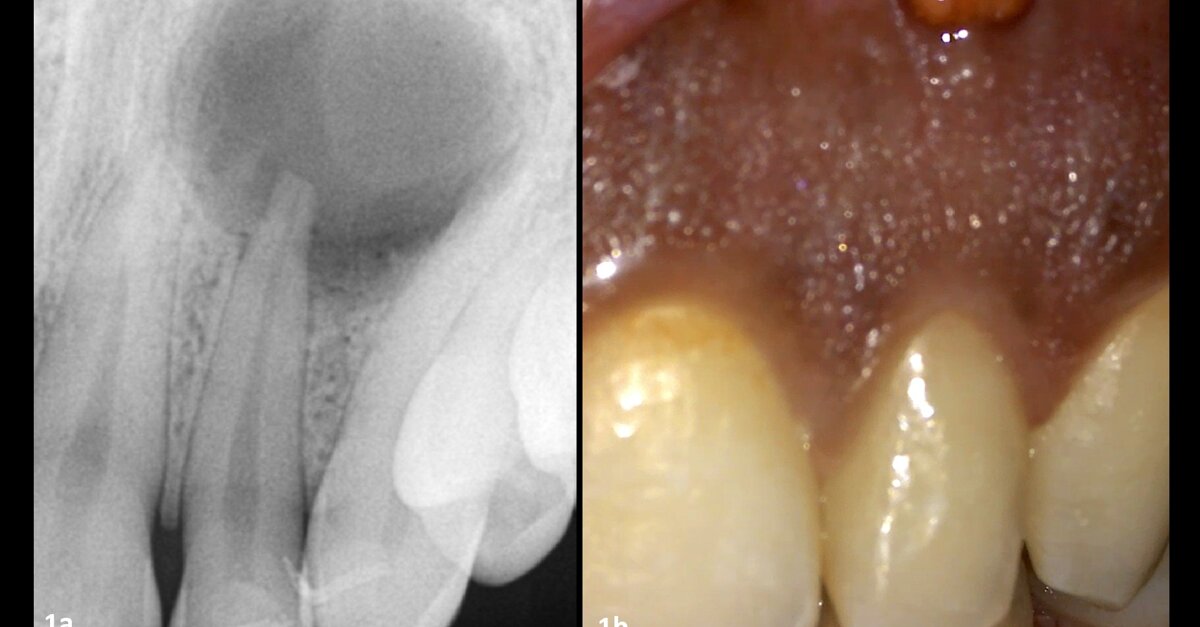
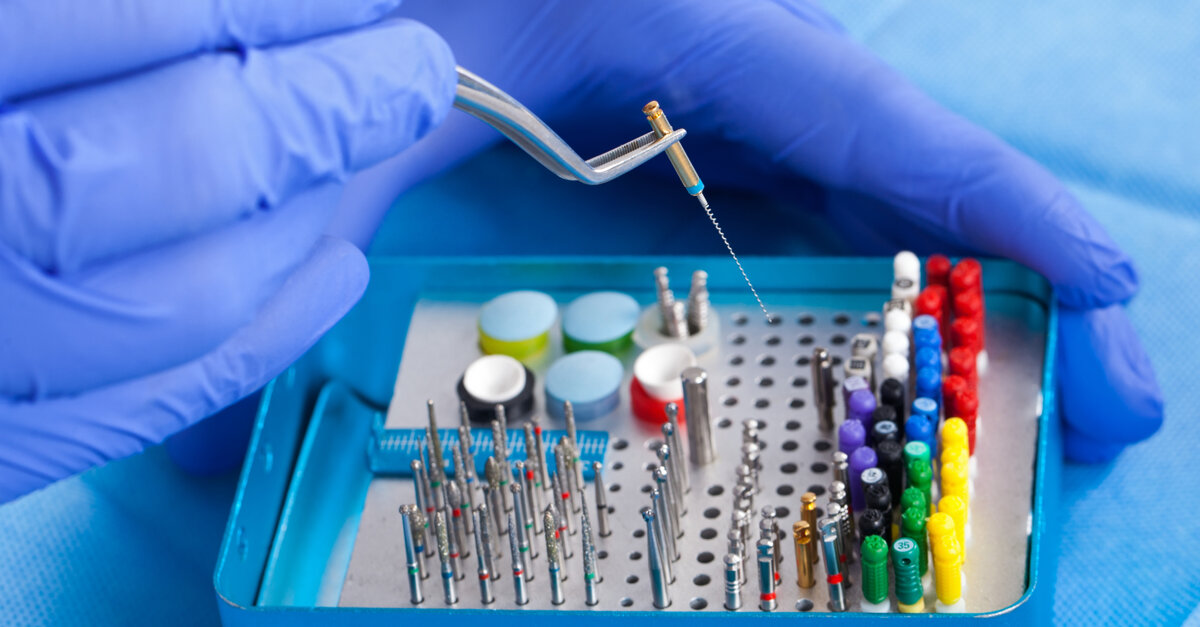
Root canal anatomy remains challenging despite advances in technology. The ZenFlex system from Kerr Dental offers multiple working motions to address different clinical scenarios, combining rotary and reciprocating options to optimize cleaning, shaping, and three-dimensional obturation.
Adaptive Motion for complex canals
Adaptive Motion combines full rotation with variable reciprocation, adjusting automatically to stress levels within the canal. When the file encounters resistance, it transitions from rotation to reciprocation, with angles that expand or contract based on internal stress. This approach suits curved and calcified canals where preserving original canal anatomy is important. The ZenFlex files feature sharp cutting edges optimized for this motion pattern.
Full rotation for calcification removal
Full rotation motion delivers higher cutting efficiency and faster shaping speed, making it preferable when removing calcifications or navigating severely blocked canals. In cases of internal calcification from chronic inflammatory processes, full rotation combined with pecking motions effectively removes deposits along the entire canal length without compromising procedural safety.
Clinical application and outcomes
Two case presentations demonstrate the system's flexibility. In the first, Adaptive Motion with a single 25/0.06 file successfully treated a patient with a large cystic lesion in the anterior maxilla, followed by surgical removal and periodontal ligament regeneration; two-year follow-up confirmed healing. The second case involved a severely calcified maxillary molar treated with Adaptive Motion for initial canal location and shaping, and a necrotic mandibular molar with internal calcifications managed using full rotation to maximize cutting efficiency. Both cases achieved successful outcomes with appropriate postoperative healing.
Frequently asked questions
What is Adaptive Motion in root canal instrumentation?
Adaptive Motion combines full rotation with variable reciprocation that automatically adjusts based on stress levels within the canal. The file rotates continuously until encountering resistance, then switches to reciprocation with angles that expand under high stress and contract as stress reduces. This approach suits curved and calcified canals.
When should full rotation motion be used instead of Adaptive Motion?
Full rotation motion offers superior cutting efficiency and shaping speed, making it preferable for removing internal calcifications or navigating severely blocked canals with extensive deposits along the root canal system length.
How does DTX Studio Clinic software improve root canal diagnostics?
DTX Studio Clinic uses artificial intelligence with edge-enhancing capabilities to improve image quality from CBCT scans. It can enhance DICOM files imported from external centers, allowing clearer visualization of nerve anatomy, bone thickness, and lesion boundaries before treatment planning.
What is the pre-shaping technique for calcified canals?
Manual K-files (sizes 8 and 10) are used first to explore anatomy and confirm working length. A pre-shaping file such as the Traverse file is then applied with pecking motions for 3 seconds at a time, removing debris between each motion, until the working length is reached.
How does internal pulp calcification develop in teeth?
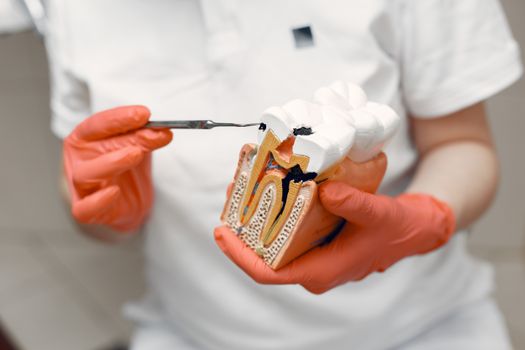
Internal calcification results from chronic activation of inflammatory pathways in the body, leading to formation of micro blood vessels within the pulp that later calcify as a defensive response to slow, chronic aggression. This can eventually cause irreversible pulpitis and pulp necrosis.