Root infections linked to blood sugar dysfunction
New evidence links untreated root infections to systemic blood sugar dysfunction; patients show metabolic improvement after treatment.
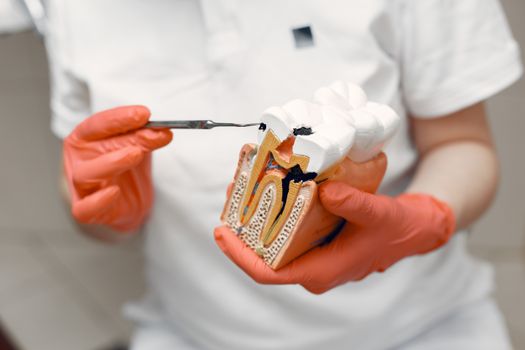
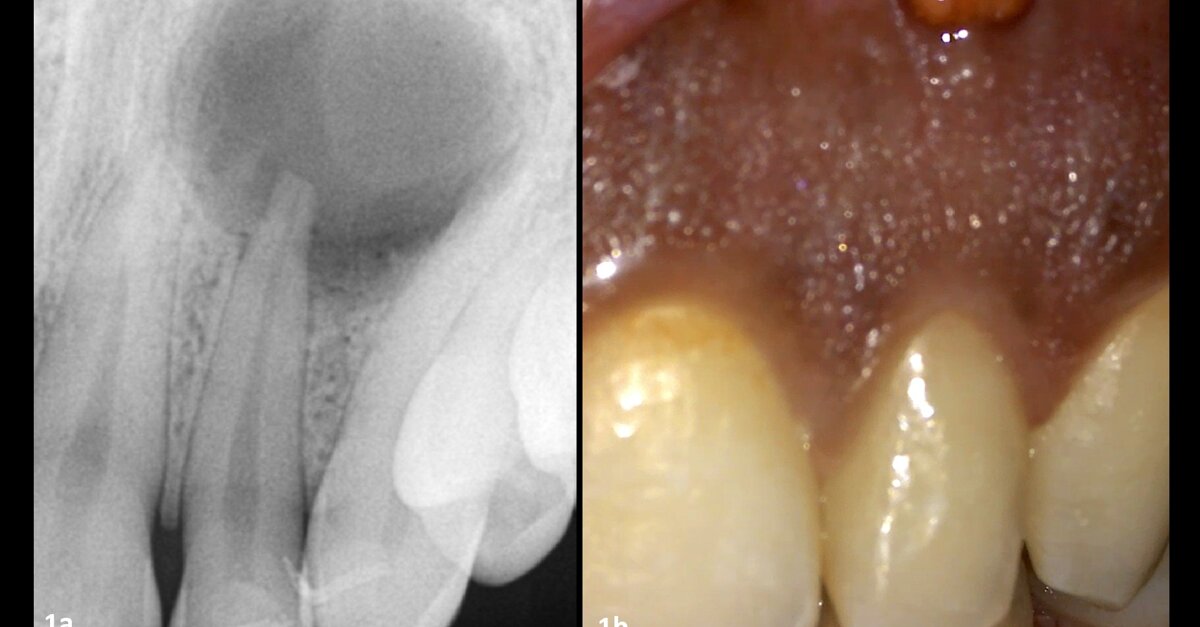
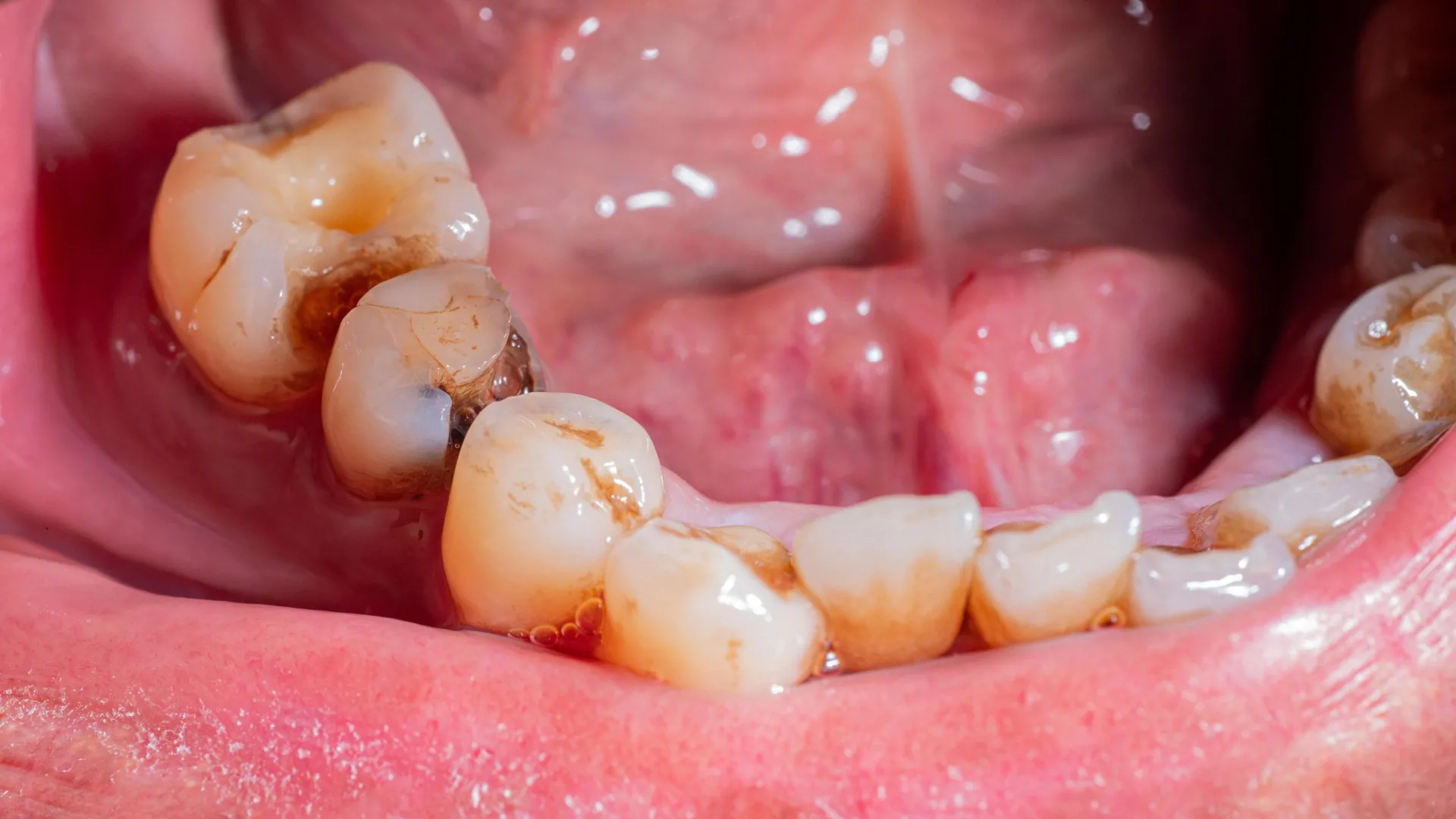
Scientists have identified a connection between untreated tooth root infections and blood sugar problems. Deep infections around tooth roots trigger chronic inflammation that spreads systemically and may disrupt insulin function, according to recent research.
How root infections affect metabolism
Tooth root infections create localized inflammation that extends beyond the oral cavity. The body's inflammatory response to chronic dental infection can interfere with insulin signaling and glucose regulation. This mechanism may explain why some patients experience metabolic dysfunction alongside untreated dental disease.
Clinical outcomes after root canal treatment
Studies show that patients who received root canal treatment for infected teeth demonstrated improved blood sugar control and reduced systemic inflammation markers in follow-up assessments. The findings suggest that eliminating the source of infection at the tooth root level produces measurable metabolic benefits. Dental treatment outcomes now appear to include improved glycemic control and lower overall inflammatory burden in the body.
Frequently asked questions
Can a tooth root infection affect blood sugar levels?
Yes. Research shows deep infections around tooth roots create chronic inflammation that spreads through the body and may interfere with insulin function, potentially disrupting blood sugar control.
Do patients see metabolic improvement after root canal treatment?
Studies found that people who underwent root canal treatment for infected teeth often experienced better blood sugar control and reduced inflammation markers afterward.
How does a dental infection cause systemic inflammation?
Chronic tooth root infections trigger localized inflammation that extends beyond the mouth into the bloodstream, causing systemic inflammatory responses that can interfere with metabolic function.
Why should dentists consider systemic health when treating infections?
Root infections appear to have measurable effects on insulin function and glucose regulation. Treating the dental infection eliminates a source of ongoing systemic inflammation.