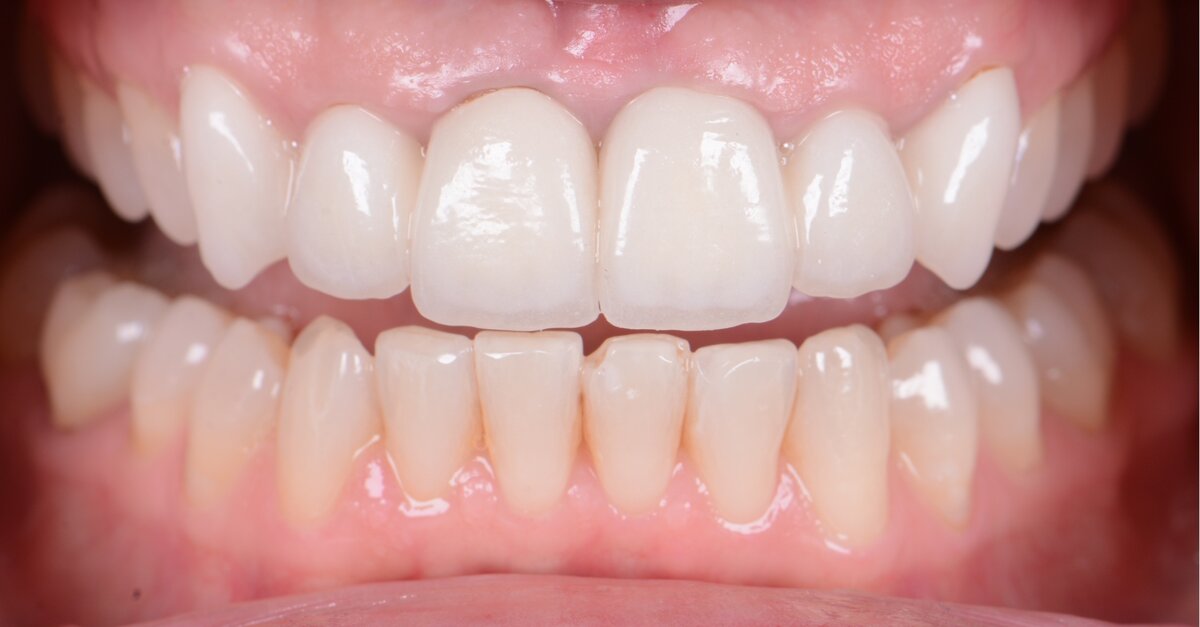
CAD software barriers limit chairside 3D printing adoption in dentistry
Key insight from veteran 3D printing expert on why chairside printing adoption lags despite mature hardware.
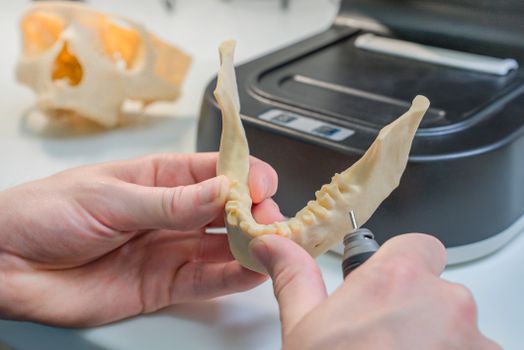
A conversation with Ayush Bagla, former CEO of Ackuretta and current Managing Director at Pac-Dent, reveals that computer-aided design (CAD) software presents one of the main obstacles preventing wider adoption of chairside 3D printing in dental practices. Bagla, with over 12 years of experience in the field and a background building dental printers, identifies workflow integration and software usability as critical pain points for practitioners considering in-office 3D printing technology.
Why CAD software limits chairside 3D printing
The complexity of CAD workflows stands between dentists and functional chairside printing systems. Many practitioners lack the technical expertise to operate CAD software efficiently, and the learning curve deters adoption even when hardware is available. Integration between CAD platforms and 3D printer software often creates friction, requiring manual transfers or format conversions that slow clinical workflow. For general practices without dedicated digital technicians, these barriers make the technology appear impractical despite its potential for same-day restorations and reduced turnaround times.
Current state of 3D printing adoption
The 3D printing market in dentistry has matured in hardware capabilities over the past decade, but software ecosystems have not kept pace. Practitioners report that printer manufacturers focus on equipment specifications while neglecting the user experience of design and file preparation. This mismatch between hardware readiness and software accessibility explains why adoption rates remain below industry projections, even as the technology becomes more affordable and reliable.
Frequently asked questions
What is stopping dentists from using chairside 3D printing?
CAD software complexity and poor integration with 3D printer systems create workflow barriers. Many practices lack staff with the technical skill to operate CAD platforms efficiently, making the technology seem impractical despite hardware improvements.
How long has 3D printing been used in dental practices?
3D printing technology has been in dental use for over 12 years. Hardware capabilities have matured significantly during this period, but software ecosystems have not advanced at the same pace.
Why do printer manufacturers not solve the CAD software problem?
Hardware makers concentrate on equipment specifications and performance metrics rather than user experience. This focus on technical specs over workflow design leaves practitioners struggling with file preparation and design steps.
What would increase chairside 3D printing adoption in general practices?
Simplified, integrated CAD-to-printer workflows that require minimal training would lower adoption barriers. Practitioners without dedicated digital technicians need user-friendly software that functions as part of normal clinical operations.