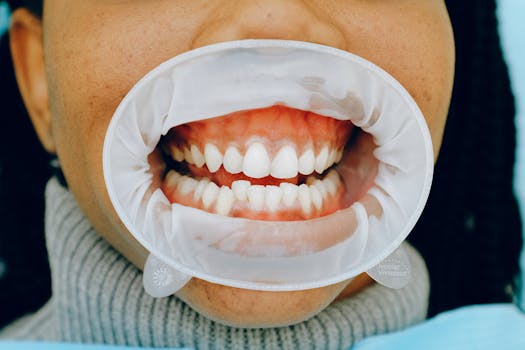
Study reveals poor oral health in children with severe obesity
French research shows childhood obesity correlates with preventable dental problems; integration into care teams recommended.

A French study of 132 children and adolescents with severe obesity receiving long-term care at a specialized pediatric obesity center in Bordeaux found that oral health in this population is often neglected despite its connection to overall wellbeing. The research documents the extent of dental problems and gaps in prevention and treatment.
Oral health findings in children with obesity
Participants showed significant dental issues, including heavy plaque accumulation, untreated cavities, and gingivitis. Preventive care was inconsistent, with poor brushing habits and only a small proportion receiving fluoride varnish treatment. A considerable minority experienced pain and difficulty eating due to dental problems, and many reported shame about their teeth. Adolescents had worse oral health than younger children, with higher rates of gingivitis and tartar buildup.
Causes and clinical implications
Researchers found no significant link between impaired glucose metabolism and gingivitis presence, suggesting that gum inflammation in young people with obesity may stem more from plaque accumulation and limited access to dental care than from metabolic changes alone. Severe obesity may affect the risk of periodontal disease through other inflammatory pathways. The findings support the conclusion that dental professionals should be integrated into multidisciplinary obesity teams. Improving access to preventive dental care could help reduce oral health inequalities in children with severe obesity. The study, titled "Oral health of children with severe or complex obesity and association of markers of glucose metabolism with gingivitis," was published online in the April 2026 issue of the International Dental Journal.
Frequently asked questions
What dental problems did the study find in children with severe obesity?
The study of 132 children and adolescents found heavy plaque, untreated cavities, gingivitis, and tartar buildup. Only a small proportion had received fluoride varnish treatment. Many experienced pain while eating and reported shame about their teeth.
Is elevated blood sugar linked to gum disease in obese children?
The study found no significant connection between impaired glucose metabolism and gingivitis in participants without diabetes. Gum inflammation in young people with obesity may result more from plaque and poor access to care than from metabolic factors alone.
Why should dentists work with obesity treatment teams?
Integrating dental professionals into multidisciplinary obesity teams allows identification and treatment of preventable oral health problems. Improving access to preventive dental care can reduce health inequalities in this population.
Do adolescents with obesity have worse oral health than younger children?
Yes. The study found adolescents had significantly worse oral health than younger children, including higher rates of gingivitis and tartar accumulation.