Speed-sintered calcium oxide zirconia offers strength and translucency
New zirconia formulation enables faster sintering without loss of strength or translucency, reducing chairside time for milled restorations.
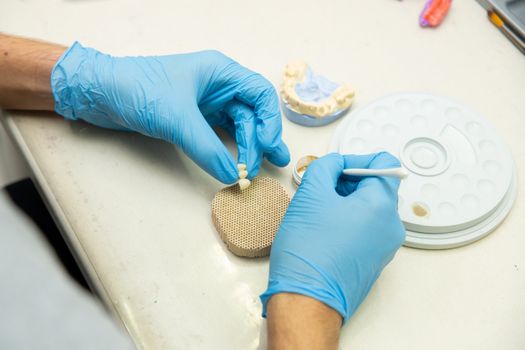
Researchers have developed a new calcium oxide-zirconia ceramic material that can be speed-sintered for use in dental restorations. The material addresses a longstanding challenge in restorative dentistry: achieving both mechanical strength and esthetic translucency in ceramic restorations while reducing chairside manufacturing time.
How speed-sintering improves clinical workflow
Conventional yttria-stabilized zirconia requires lengthy sintering cycles that delay chairside manufacturing and limit same-day restoration delivery. The new calcium oxide-zirconia formulation allows faster sintering protocols without sacrificing mechanical properties. This acceleration reduces chairside time and enables dentists to complete restorations more efficiently, particularly in milled or additive manufacturing workflows where sintering is the final step.
Balancing strength with esthetic properties
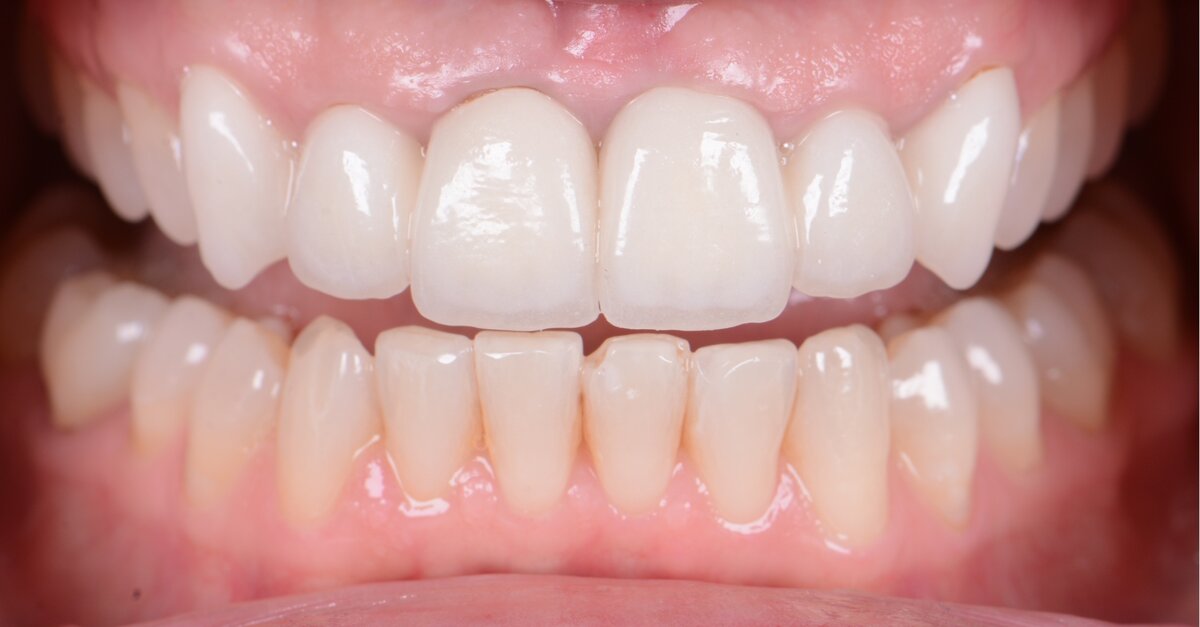
Traditional zirconia materials force clinicians to choose between opacity and durability. The new composition delivers improved translucency compared to standard zirconia while maintaining toughness and strength needed for load-bearing restorations such as crowns, bridges, and implant abutments. This combination addresses patient demands for natural-looking restorations that do not compromise on longevity.
Material composition and performance
The calcium oxide-zirconia system represents a reformulation that alters the tetragonal and cubic phase balance within the zirconia matrix. By shifting this phase composition, the material reduces light scattering without weakening the stress-induced transformation toughening mechanism that makes zirconia durable. The result is a ceramic suitable for both anterior and posterior applications where esthetic and mechanical demands must both be met.
Frequently asked questions
What is calcium oxide-zirconia and how does it differ from conventional zirconia?
Calcium oxide-zirconia is a reformulated zirconia ceramic with altered phase composition that improves translucency while maintaining mechanical strength. Unlike conventional yttria-stabilized zirconia, which is opaque, the new material balances esthetic and durability requirements without sacrificing either property.
How much faster is speed-sintering compared to conventional zirconia sintering?
The article indicates that speed-sintering protocols significantly reduce sintering time for the new material, but does not specify exact time reductions. The acceleration is designed to enable same-day restoration delivery and streamline chairside manufacturing workflows.
What restorations can be made from speed-sintered calcium oxide-zirconia?
The material is suitable for crowns, bridges, and implant abutments in both anterior and posterior regions. Its combination of translucency and strength makes it appropriate for esthetic restorations that require load-bearing capability.
Does faster sintering affect the strength or durability of the final restoration?
No. The new material maintains toughness and strength through its phase composition, which preserves the stress-induced transformation toughening mechanism that gives zirconia its durability. Speed-sintering does not compromise mechanical properties.
Why is translucency important in zirconia restorations?
Translucency improves esthetics by allowing light to penetrate the restoration, creating a more natural appearance. Patients increasingly demand restorations that look natural, and the new material delivers this without the opacity limitations of traditional zirconia.