Researchers identify gene teamwork regulating tooth root formation
New evidence on gene regulation in root development could inform future regenerative approaches for endodontic cases.
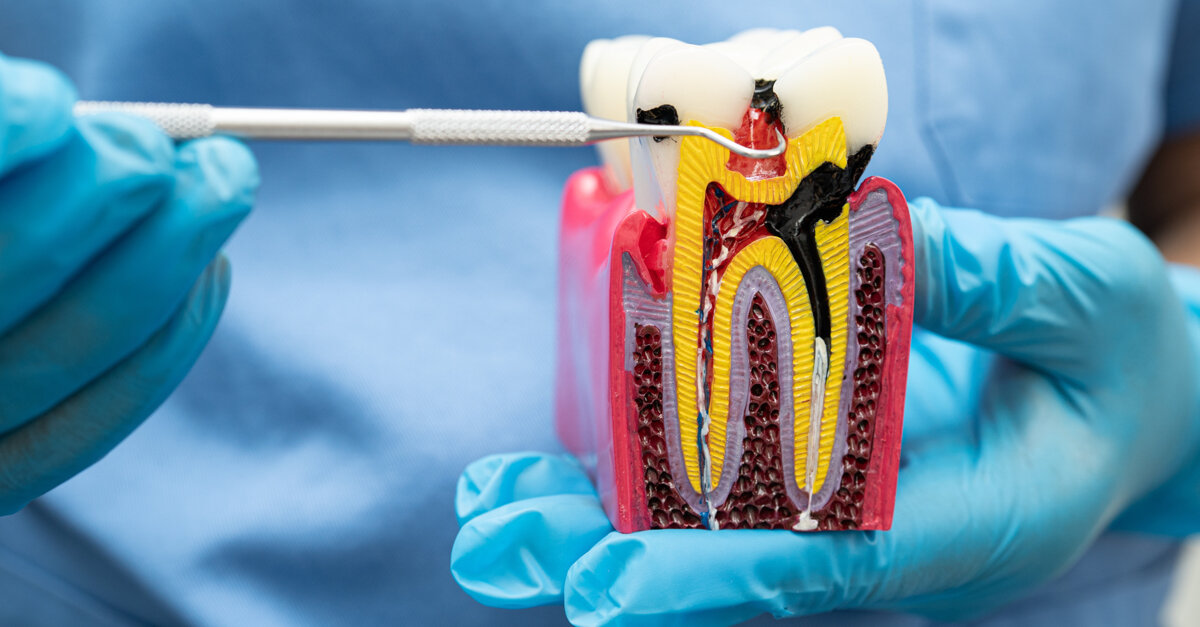
Chinese researchers have identified how two genes, Gli2 and Gli3, work together to control tooth root development. The study, published online on 12 March 2026 in the International Journal of Oral Science, used mouse models and bioinformatics to clarify the roles of these genes in regulating root-forming cell growth and differentiation.
How Gli2 and Gli3 regulate root development
The research team, led by Dr Xianglong Han at the National Clinical Research Center for Oral Diseases at West China Hospital of Stomatology of Sichuan University, selectively inactivated either one or both genes in root progenitor cells. When Gli3 alone was inactivated, roots shortened, alveolar bone formation reduced and tooth eruption delayed. When both genes were inactivated together, severe root defects occurred and root length decreased by nearly half compared with controls. Inactivating Gli2 alone had little effect, indicating the genes have overlapping functions.
Implications for regenerative dentistry
Without these genes functioning properly, progenitor cells in the dental mesenchyme showed reduced proliferation and failed to differentiate into odontoblasts, periodontal ligament cells or osteoblasts. The researchers also discovered that disruption of both genes affected the transforming growth factor beta pathway, which is involved in cell differentiation and tissue formation. When this pathway was activated in mice, root length, alveolar bone formation and cell differentiation were partly restored. Senior author Prof. Junjun Jing noted that identifying this link between cell communication pathways could create new possibilities for designing targeted therapies in regenerative dentistry and craniofacial medicine.
Frequently asked questions
What do Gli2 and Gli3 genes do in tooth root development?
Gli2 and Gli3 work together to regulate the growth and differentiation of root-forming cells. When both genes are disrupted, severe root defects occur and root length decreases by nearly half. When Gli3 alone is inactivated, roots shorten and alveolar bone formation reduces.
What happens to root progenitor cells when Gli2 and Gli3 are inactivated?
Root progenitor cells show reduced proliferation and fail to differentiate properly into odontoblasts, periodontal ligament cells or osteoblasts, leading to defective root formation.
How does the transforming growth factor beta pathway relate to root development?
Disruption of Gli2 and Gli3 affects the transforming growth factor beta pathway, which is involved in cell differentiation and tissue formation. When this pathway was activated in mice, root length, alveolar bone formation and cell differentiation were partly restored.
What are the potential clinical applications of this research?
Identifying the link between Gli2, Gli3 and the transforming growth factor beta pathway could lead to targeted therapies in regenerative dentistry for treating damaged tooth roots and supporting craniofacial medicine.