Prevention starts early: dental therapist challenges practice-focused care model
Therapist highlights why prevention policy fails in practice and where the profession's collaboration breaks down.
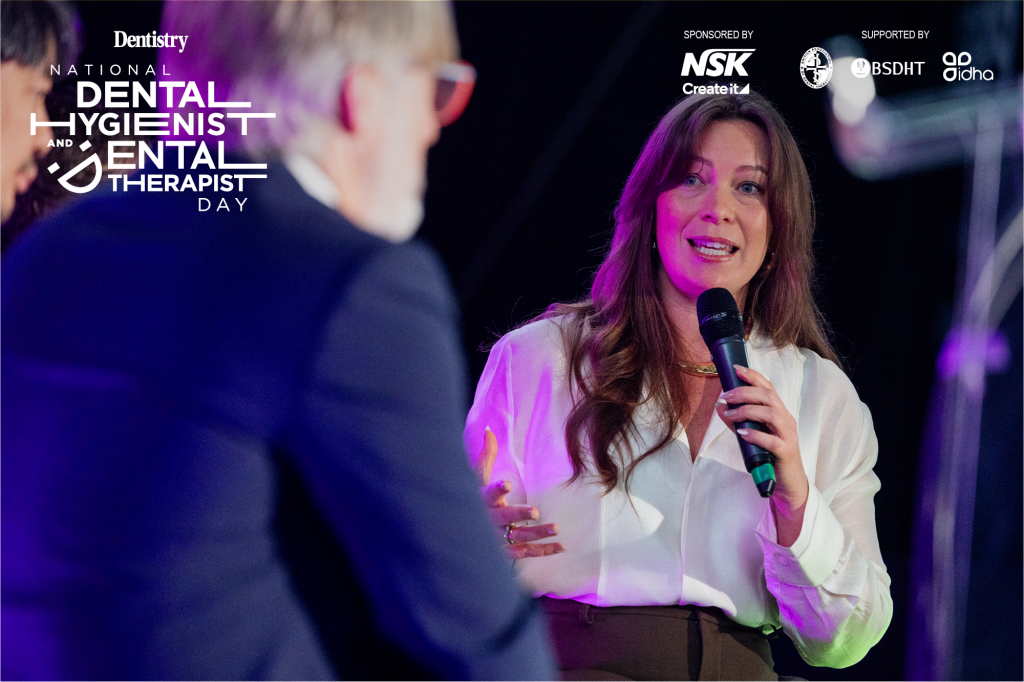
At the North of England Dentistry Show, dental therapist Cat Edney presented a critical perspective on how the profession approaches oral health, arguing that meaningful prevention must begin in childhood through coordinated public health messaging, not solely within dental practices.
Breaking the echo chamber: prevention and public messaging
Edney highlighted that dentistry speaks primarily to itself rather than to the public. She called for clear, simple messages that reach beyond the profession, such as explaining that caries and tooth loss are not inevitable outcomes of ageing. A significant gap exists in schools, where oral health appears only twice in the national curriculum and is not reinforced through consistent, joined-up care involving dentists, doctors, healthcare providers, social workers, and community groups.
Policy without implementation: bridging the practice gap
While acknowledging progress on direct access and therapist-delivered NHS check-ups, Edney questioned whether practices receive adequate guidance on implementation. She described dentistry as still structured around individual dentists operating as separate businesses within larger organisations, limiting true multidisciplinary collaboration. Further barriers include outdated delegation restrictions (therapists cannot ask dental nurses to apply fluoride), scope of practice frameworks dating to 1963, and appointments scheduled so briefly that meaningful prevention becomes impossible. Edney cited hygienists working in 15-minute slots and noted that prevention generates insufficient revenue under current funding models.
Digital and structural shortcomings
Despite advanced digital scanning technology, clinical data remains siloed within scanner systems and is not integrated into practice management systems where the wider team can access it. This prevents tracking of long-term changes such as wear and recession, particularly important for ageing populations. Edney emphasised that bridging gaps between policy and practice requires genuine collaboration, open communication within teams, and willingness to address structural barriers that currently go unspoken.
Frequently asked questions
Why does prevention fail in UK dental practices according to Cat Edney?
Prevention appointments are squeezed into very short time slots (hygienists work in 15-minute appointments), and prevention generates insufficient revenue under current funding models. Practices lack clear implementation blueprints for policy changes like direct access and therapist check-ups.
What structural barriers prevent true skill mix in dental teams?
Therapists cannot delegate tasks like fluoride application to dental nurses without involving a dentist. Scope of practice frameworks date to 1963, while dentists retain freedom to adopt innovations freely, creating an imbalance across the team.
How should oral health education change in UK schools?
Teeth appear only twice in the national curriculum. Edney advocates for consistent, joined-up care involving multiple voices, including dentists, doctors, social workers, parents, and community groups working together rather than isolated classroom lessons.
What digital integration is missing from dental practices?
Advanced digital scanning technology exists, but patient data remains locked within scanner systems and is not integrated into practice management systems where the wider team can see it to track long-term changes like wear and recession.
How does dentistry currently talk about prevention to the public?
The profession primarily communicates within itself rather than to the public. Edney calls for simple messages that explain caries and tooth loss are not inevitable, and that children do not need to accept black teeth or wobbly teeth as normal.