Communication as core clinical care, not an extra, says dental therapist
Explores how therapists can position communication as clinical care, not bedside manner, to improve patient outcomes.
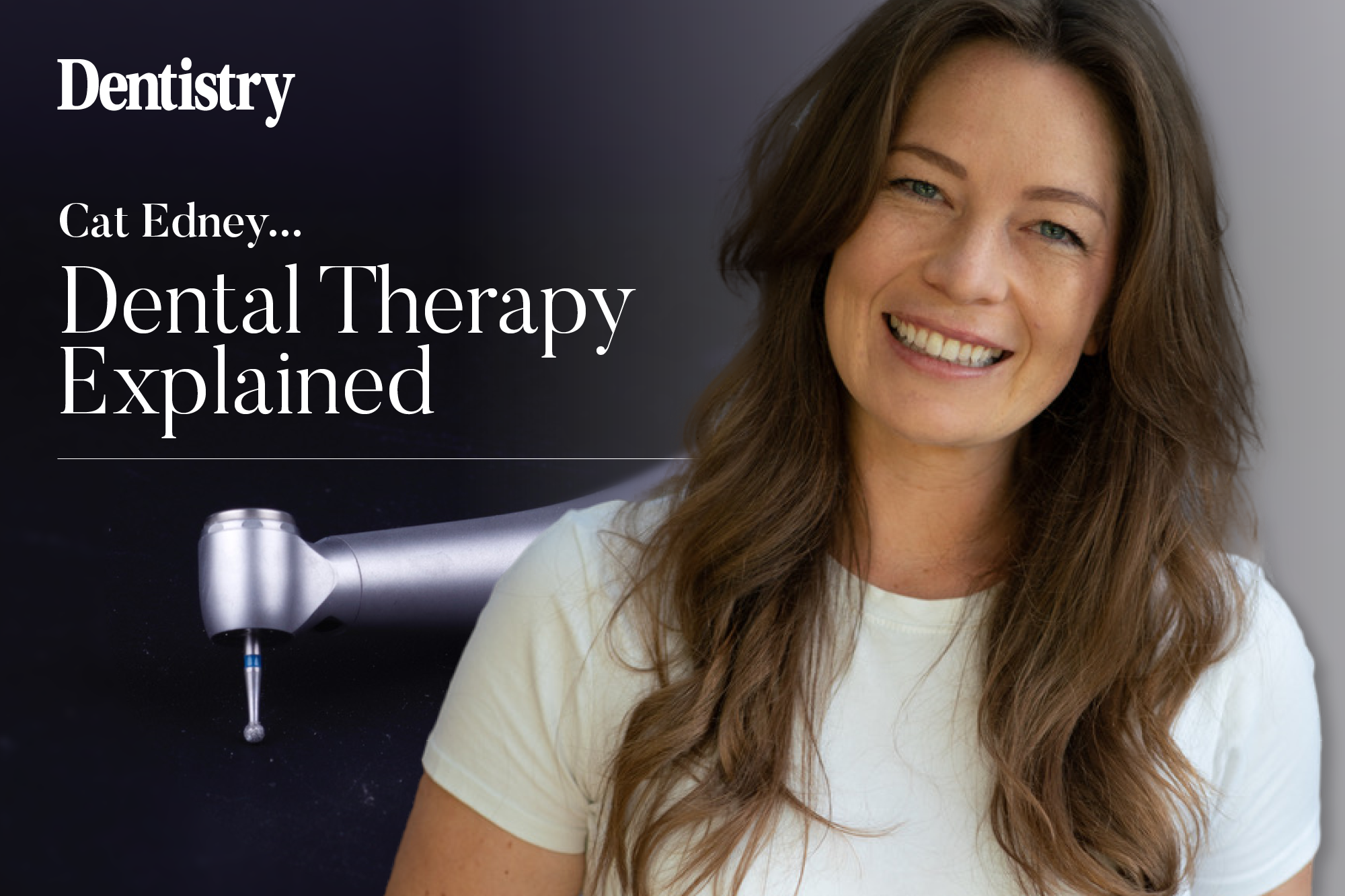
Communication in dentistry is often treated as an addition to clinical care, but Cat Edney argues it should be central to how patients understand oral health, make treatment decisions, and engage with prevention. This shift in perspective reframes communication not as a soft skill but as a clinical tool that directly affects long-term treatment outcomes.
Why communication shapes patient outcomes
How dentists and therapists communicate with patients influences whether prevention strategies take hold and whether treatment succeeds. When patients feel truly engaged in personalised care, they respond differently to clinical advice. Technology can support this communication, but the underlying principle remains: shared decision-making and clear explanation of oral health status are inseparable from clinical success.
The evolving role of dental therapists
Dental therapists are increasingly positioned to lead a more collaborative, personalised style of care. As the profession expands its role within contemporary dentistry, therapists have an opportunity to demonstrate not only clinical competence but also a different model of patient engagement. This model aligns with how patients expect to experience healthcare today: as partners in their own care rather than passive recipients of treatment.
Frequently asked questions
Why is communication important in dental treatment outcomes?
Communication shapes how patients understand their oral health, make treatment decisions, and engage with prevention strategies. When communication is personalised and collaborative, patients respond better to clinical advice and treatment is more likely to succeed long-term.
How are dental therapists using communication to differentiate their role?
Dental therapists are increasingly leading a collaborative, personalised model of patient care that aligns with contemporary healthcare expectations. This positions them to demonstrate clinical skill alongside a different style of engagement that treats patients as partners in their own care.
How does technology support communication in modern dental practice?
Technology can aid communication and help therapists deliver more personalised care. When patients are truly engaged through technology-supported communication, they tend to respond more positively to clinical recommendations.
Should communication be treated as part of clinical care or separate from it?
Communication should be at the heart of clinical care, not treated as an adjunct or soft skill added to improve experience. It directly affects patient understanding, decision-making, prevention uptake, and long-term treatment success.