Air polishing with warm water improves patient comfort and engagement
Patient experience with heated air polishing shows retention and engagement gains worth evaluating for your practice.
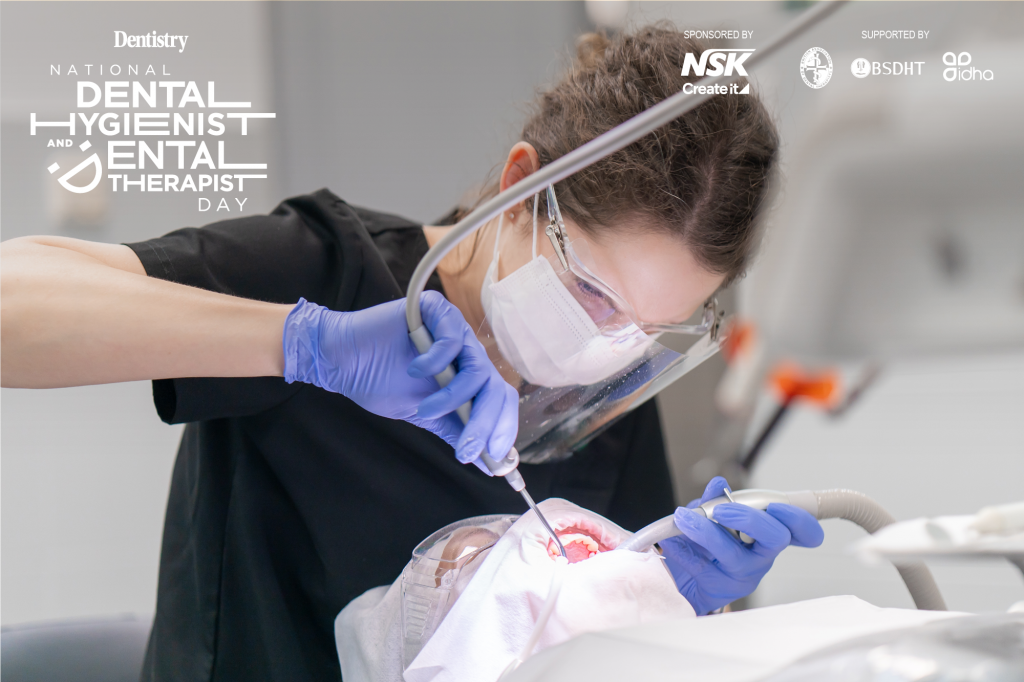
A UK hygienist and her patient share experiences showing how modern air polishing devices with heated water enhance clinical outcomes and patient satisfaction. The case demonstrates how combining minimally invasive mechanical plaque removal with patient education and appropriate equipment selection creates better engagement and oral health results.
How heated air polishing changes patient experience
Traditional ultrasonic scaling often causes discomfort and sensitivity, especially in patients with pre-existing tooth sensitivity. Air polishing units with warm water delivery address this barrier. One patient who had experienced severe sensitivity during previous scaling procedures found air polishing with heated water completely comfortable, requiring no pre-treatment desensitizer. The hygienist explains that warm-water air polishing is effective for professional mechanical plaque removal while reducing the anxiety and sensitivity that discourage patients from attending regular appointments.
Building engagement through education and equipment choice
The clinical approach combined indices assessment, biofilm visualization, and patient education to start conversations about oral health responsibility. Rather than imposing treatment, the hygienist tested patient comfort levels and adjusted techniques at each visit, including fine-tuning toothbrush technique and interdental brush sizes. The patient reported feeling informed and empowered after learning her plaque and bleeding scores, understanding what they meant, and receiving direct instruction on home cleaning techniques. This engagement led to improved oral hygiene stability and motivated the patient to maintain periodontal health long-term. The patient also became a candidate for cosmetic treatment (gap closure) only after achieving periodontal stability, demonstrating how clinical stability unlocks further treatment options.
Impact on practice retention and patient outcomes
Units with heated water function as both a clinical tool and an engagement strategy. Patients report returning regularly because treatment is comfortable, and they understand the connection between biofilm control, microbial balance, and gingival health. The patient in this case progressed from viewing dentistry as an uncomfortable necessity to seeing herself as an active participant in maintaining lifelong oral health, reflecting a shift from reactive to preventive thinking.
Frequently asked questions
How does warm water in air polishing reduce tooth sensitivity?
Warm-water air polishing units deliver heated water instead of cold water during mechanical plaque removal, reducing the shock and sensitivity that cold irrigation causes. This comfort improvement removes a major barrier to patient attendance and enables use without pre-treatment desensitizers in many cases.
What role does patient education play in improving oral hygiene compliance?
Education alone does not change behaviour, but it acts as a catalyst when paired with visual evidence of biofilm and bleeding scores, direct instruction on technique, and clinician support. Patients become more motivated to maintain home care when they understand what the clinical indicators mean and how their daily routine affects gingival health.
Can air polishing improve patient retention in a dental practice?
Yes. Because treatment with heated-water air polishing is comfortable and patients understand its purpose, they report greater willingness to attend regular appointments. This consistency enables the hygienist to achieve and maintain periodontal stability, which in turn unlocks other treatment opportunities and builds long-term patient loyalty.
How should a clinician introduce air polishing to patients with sensitivity history?
Discuss the patient's previous experience, explain the differences in modern equipment (especially warm-water delivery), and offer to test a small area first. This approach gives patients control and demonstrates that discomfort is not inevitable, reducing anxiety and building trust in the new treatment.
What is the relationship between periodontal stability and cosmetic treatment planning?
Periodontal health must be established and stable before cosmetic procedures like gap closure. Achieving stability through consistent home care and regular professional mechanical plaque removal ensures that any aesthetic improvements have a healthy foundation and can be maintained long-term.