Five tips for dust-free chairside milling work
Practical workflow tips for controlling dust during chairside milling and adjustment tasks.
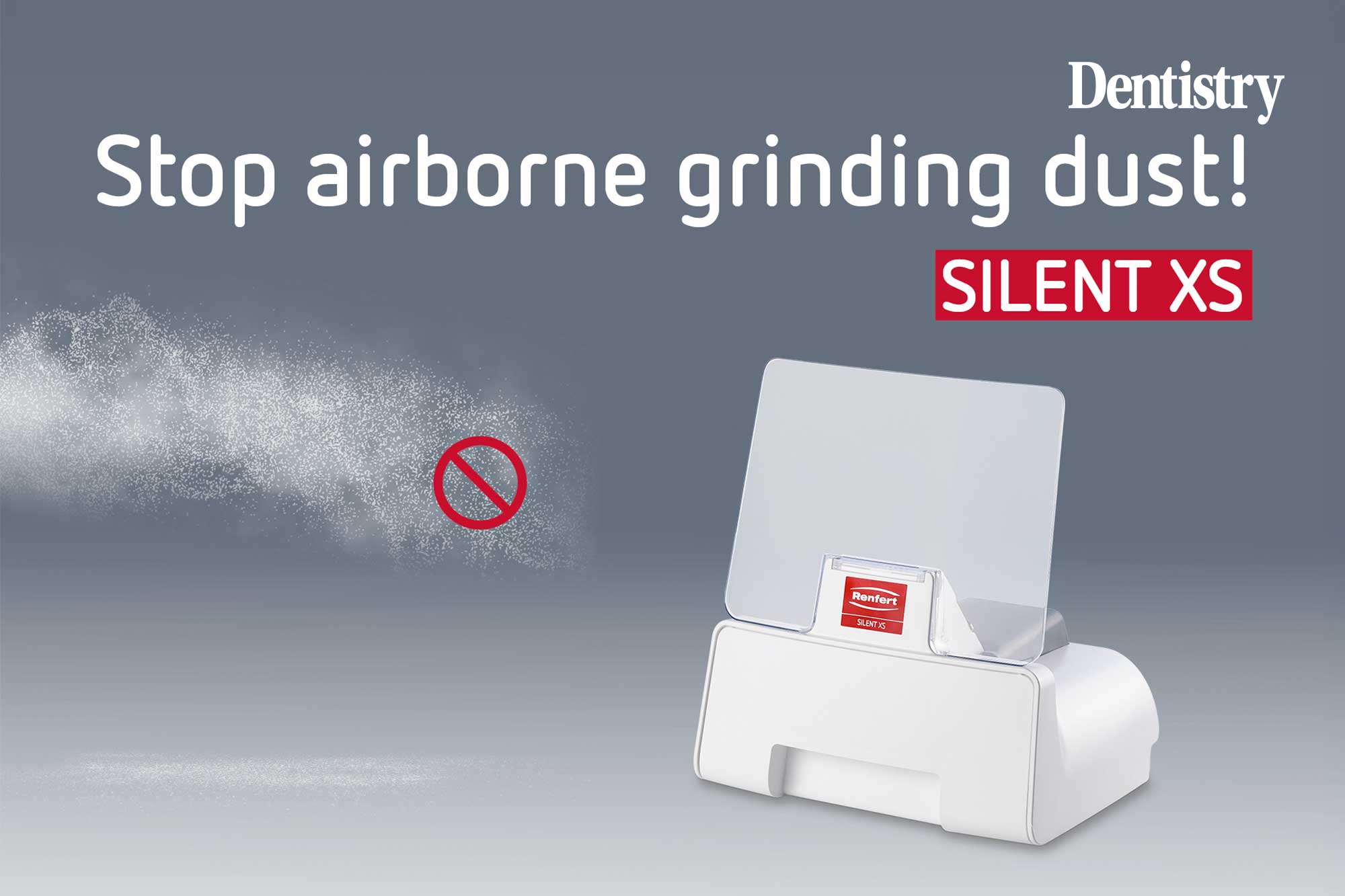
Chairside milling and adjustment tasks in dental offices often generate dust that settles on clothing, furnishings, and even patients, creating an unprofessional appearance and reducing efficiency. A mobile dental suction unit can solve this problem when properly integrated into the clinical workflow.
Ergonomics and positioning for effective dust collection
Working posture directly affects both dust capture and clinician strain. Position yourself so the workpiece sits in your seven o'clock to 12 o'clock position, then place the mobile suction unit in front of you at a slight inclination to the workpiece. This arrangement reliably collects dust without obstructing your view. Ensure the suction unit has integrated LED lighting to minimize shadows and reveal fine details, improving work quality and visibility during extraoral adjustments.
Equipment features that support dust-free practice
Battery-powered suction units eliminate cable hazards and offer flexibility to move between treatment rooms. Cordless devices can operate multiple times throughout the day with an overnight charge, providing freedom of movement in cramped clinical spaces. Filtration technology is equally important: look for H13 and HEPA filters with high separation efficiency to capture fine particles. High-quality filters maintain service life, requiring changes only every two to three weeks with regular use.
Integrating suction into daily routine
Even the best equipment becomes ineffective without systematic implementation. Define specific scenarios for use within your team, such as fitting temporary restorations, adjusting CAD/CAM restorations, or grinding occlusions. Establish a dedicated charging station at a central location and check charge status regularly as part of your routine. This integration transforms dust control from an ad hoc solution into a permanent workflow component.
Frequently asked questions
How should I position a mobile suction unit for chairside milling?
Position the suction unit in front of you at a slight inclination to the workpiece. This arrangement reliably collects dust without obstructing your view of the work area.
What filter type works best for dental suction units?
H13 and HEPA filters with high separation efficiency capture even fine particles. With regular use, quality filters require changes only every two to three weeks.
Why should a dental suction unit be cordless?
Cordless units eliminate cable hazards, reduce tripping risks, and allow flexible positioning and movement between treatment rooms without loss of mobility.
How do I integrate a mobile suction unit into my practice workflow?
Define specific scenarios for use with your team (temporary fittings, CAD/CAM adjustments, occlusal grinding) and establish a dedicated central charging station. Check charge status regularly as part of routine.