Using social media to educate patients on oral health
Practical guidance on using social media for patient education and compliance requirements for UK dental therapists.
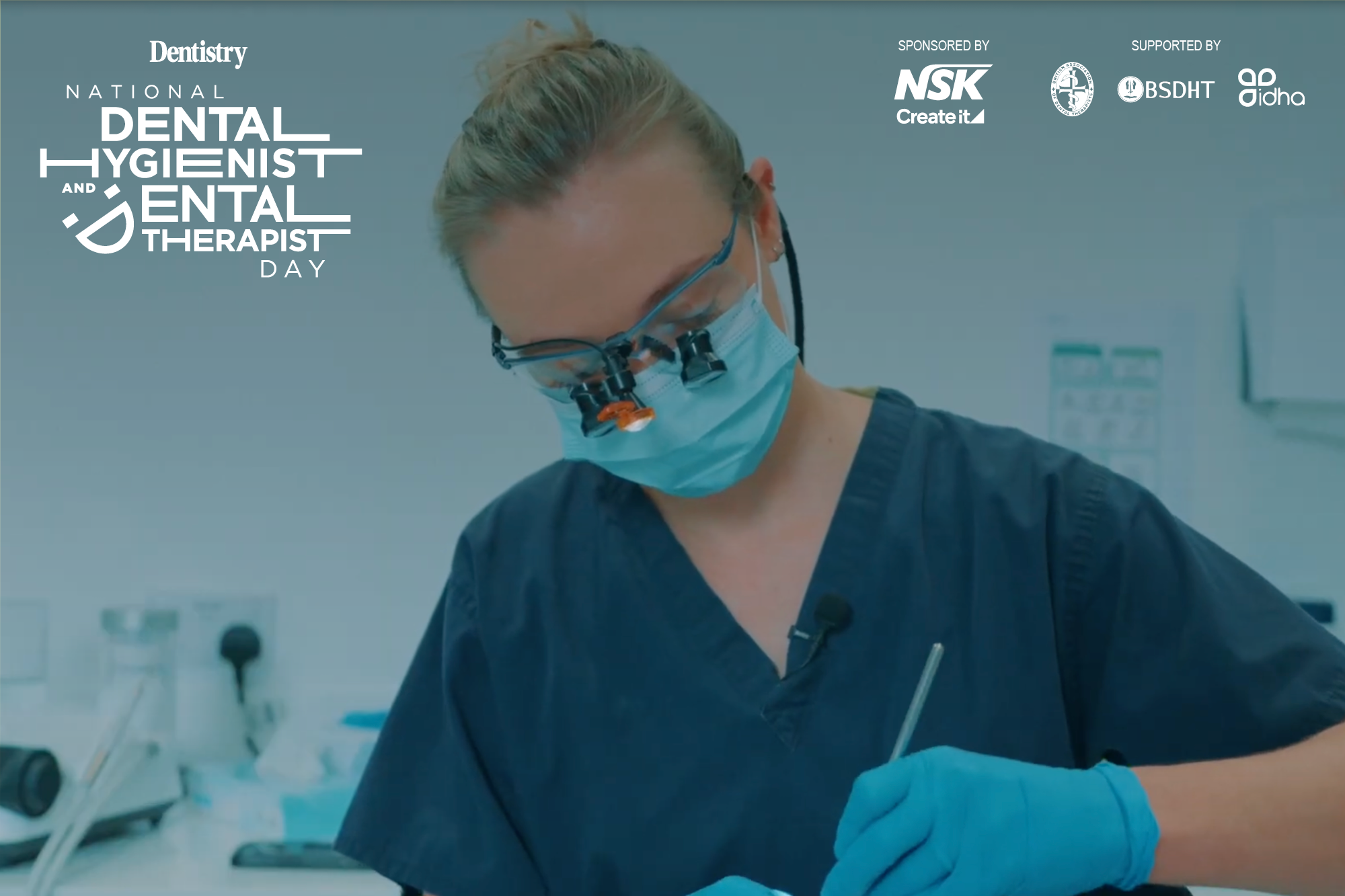
A dental therapist shares how social media evolved from a marketing tool into a clinical communication channel that improved patient oral health outcomes. By posting educational videos demonstrating techniques like interdental brush use and electric toothbrush application, she observed noticeable improvements in plaque and bleeding scores among patients who could learn at their own pace at home.
Expanding reach across platforms and demographics
Initial posting on TikTok reached only around 1% of users over 55, limiting access to older patient populations. Expanding to YouTube, Facebook and Instagram ensured content reached a wider demographic. Social media removes geographical barriers, enabling dental professionals to educate people without access to traditional dental care and reach global audiences. Growing evidence shows that patients improve oral health simply by engaging with educational content online.
Maintaining compliance and setting realistic expectations
Dental professionals must inform indemnity providers of social media activity, ensure all content is evidence-based and professionally presented, and obtain full patient consent before posting images or videos. Confidentiality must always be maintained. Success should be measured by impact rather than follower counts or likes. Posting frequency does not require daily uploads; posting once weekly or fortnightly is sufficient if content is high-quality and valuable. Building confidence on camera takes time, and authenticity resonates more than perfection.
Frequently asked questions
What compliance steps must UK dental professionals take before posting on social media?
Inform your indemnity provider that you are active on social media, as many providers will simply add this to your cover. All content must be evidence-based and professionally presented. Full patient consent is required before posting before-and-after images or videos, and confidentiality must always be maintained.
How often should dental professionals post on social media to be effective?
Posting once weekly or even once fortnightly is sufficient if the content is high-quality and valuable. Daily posting is not necessary and increases burnout risk given the demanding clinical hours dental professionals already work.
How does social media help patients improve their oral health?
Educational videos allow patients to learn techniques like correct toothbrushing in their own time at home, without clinical anxiety. They can replay videos as often as needed, creating better learning conditions than in-practice instruction. Studies show patients improve plaque and bleeding scores by engaging with online educational content.
Which social media platforms reach older patients most effectively?
TikTok has only around 1% of users over 55, limiting reach to older patient demographics. YouTube, Facebook and Instagram provide better access to wider age groups and should be used alongside TikTok to ensure content reaches all patient populations.
How should dental professionals measure success on social media?
Success should be measured by impact rather than follower counts or likes. A video with 10 followers but a million views has educated a million people, which is the true measure of success.