Single dental implants remain functional after 38-40 years in Gothenburg study
Study of 18 implants over 38-40 years shows stable bone levels, with crown replacement rates and a caution on accelerated healing protocols worth noting in practice.
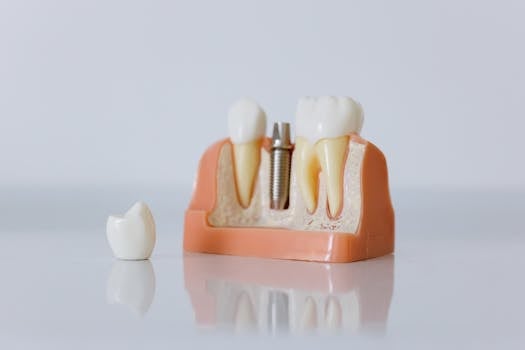
A University of Gothenburg study, published in Clinical Implant Dentistry and Related Research, reports that all 18 single dental implants placed between 1982 and 1985 were still in place and fully functional at the 38-40 year follow-up. The authors describe it as the longest follow-up study of single dental implants in the world. Thirteen of the original 16 patients participated in the follow-up, conducted at the Brånemark Clinic, Public Dental Service Västra Götaland.
The implants originated from research by Professor Per-Ingvar Brånemark on osseointegration of titanium in bone. Prosthodontists Sargon Barkarmo and Jan Kowar, both senior lecturers at the University of Gothenburg, note that bone loss around the implants was virtually unchanged after four decades, confirming the durability of the original surgical approach.
Crowns showed a shorter lifespan: only about 60 percent of the original crowns remained at the forty-year mark, most replacements driven by aesthetics rather than technical failure. The authors caution that older implant systems with proven long-term records have been withdrawn from the market as newer systems replaced them. They also note that current methods designed to accelerate treatment and healing require equally rigorous long-term evaluation before their outcomes can be considered comparable.