Brighton Sussex diploma modules 5 and 6 prepare clinicians for advanced implant practice
Final modules of diploma pathway prepare dentists to manage complex implant cases with structured risk awareness and team-based practice development.
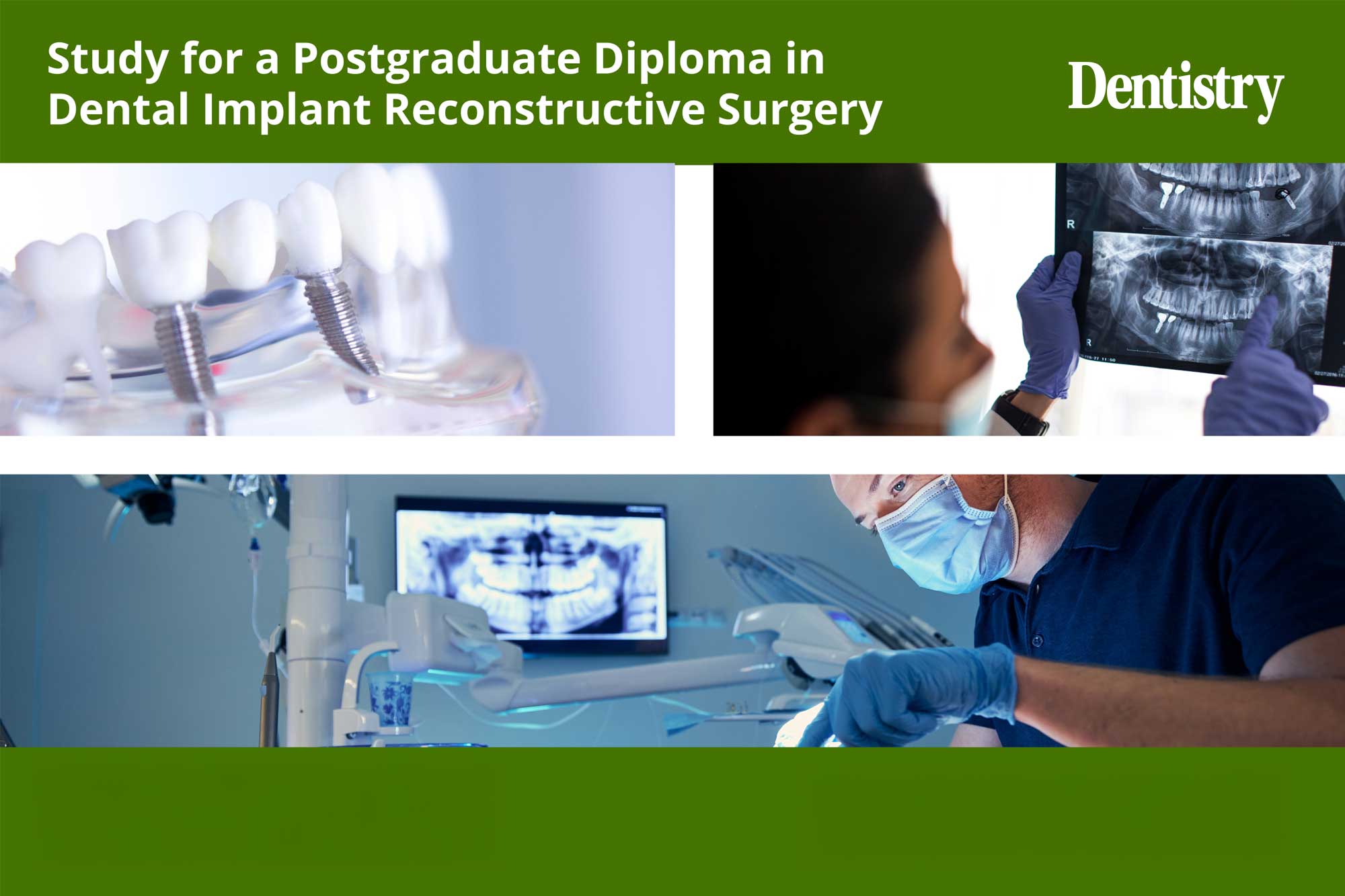
Brighton and Sussex Medical School has outlined how Modules 5 and 6 of its Postgraduate Diploma in Dental Implant Reconstructive Surgery transition clinicians from basic competence to advanced practice. These final modules consolidate skills in patient assessment, surgical principles, grafting and digital workflows while preparing dentists to work confidently in complex, multidisciplinary environments.
Managing edentulous patients and full-arch planning
Module 5 addresses the management of patients with failing or missing dentitions, an area requiring careful planning and interdisciplinary communication. The curriculum covers assessment and staging of failing teeth, treatment sequencing from extraction to implant placement, full-arch planning principles, biomechanics of multi-unit restorations, immediate loading considerations, and risk evaluation in higher-complexity cases. A key emphasis is on developing safe, structured thinking rather than producing clinicians capable of handling any full-arch case independently. Delegates learn to recognise complexity, decide when to proceed or refer, and communicate risk effectively to patients.
Building an implant service within practice
Module 6 broadens the focus beyond individual surgical procedures to examine the wider implant dentistry ecosystem. Topics include managing peri-implant disease, enhancing team capability including treatment coordinators and case acceptance, risk management and complication avoidance, audit and reflective practice, establishing implant services within a practice setting, medico-legal considerations and documentation, and long-term maintenance protocols. Delegates are encouraged to critically evaluate industry trends and distinguish evidence-based advancement from commercially driven innovation. Throughout both modules, clinicians continue treating patients under supervision, managing increasingly complex cases while receiving mentorship and competency-based assessments that refine rather than merely accumulate experience.
Frequently asked questions
What does Module 5 of the Brighton Sussex implant diploma cover?
Module 5 focuses on managing edentulous and failing dentition patients. It covers assessment and staging of failing teeth, extraction-to-implant pathways, full-arch planning principles, biomechanics of multi-unit restorations, immediate loading considerations, and risk evaluation in complex cases. The module emphasises structured thinking and knowing when to refer rather than attempting all cases independently.
What practice management topics are included in Module 6?
Module 6 addresses building an implant service within a practice setting. Content includes peri-implant disease management, team development, risk management and complication avoidance, audit and reflective practice, medico-legal considerations, documentation standards, and long-term maintenance protocols. Delegates also learn to distinguish evidence-based innovation from commercially driven trends.
How does the diploma prepare clinicians for complex implant cases?
Throughout Modules 5 and 6, clinicians treat increasingly complex patients under supervision while receiving mentorship and competency-based assessments. This structured approach ensures delegates refine their experience rather than simply accumulating hours. The diploma produces clinicians who understand their limits, recognise complexity, and practise safely and predictably.
Can dentists enrol in individual modules or must they complete the full diploma?
Clinicians can enrol in individual modules or complete the full Postgraduate Diploma pathway. The diploma does not aim to create instant specialists but rather reflective, well-supported clinicians equipped to develop implant services responsibly within their own practice.