3D printing speeds up NHS dental workflows and boosts practice profitability
17% of UK dental professionals plan 3D printer adoption in next 12-24 months; essential reading for practices managing NHS throughput pressures.
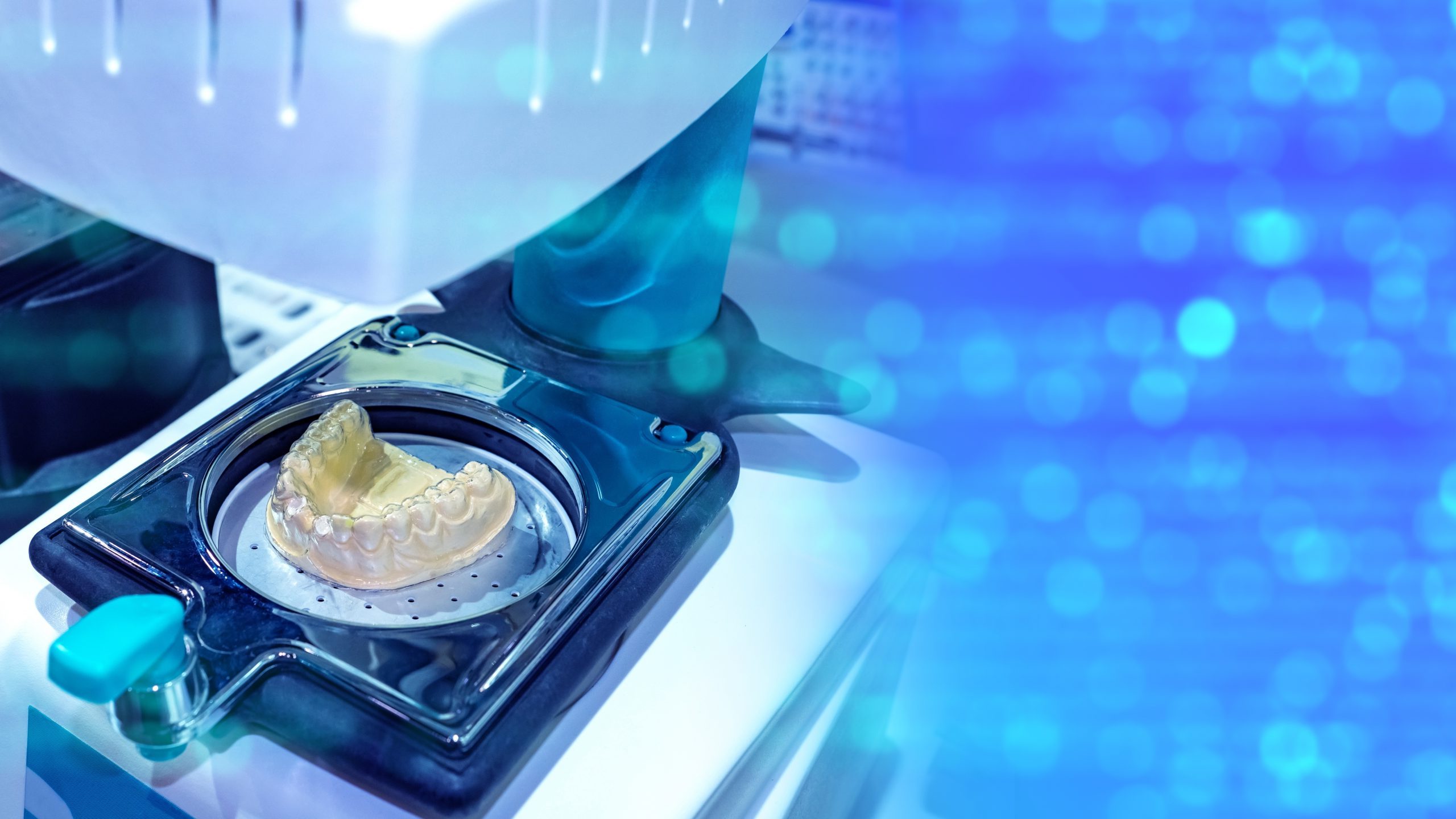
English dental practices delivered 4% more NHS treatments in 2024/2025 than the previous year, yet time pressure remains the leading concern for dental professionals. 3D printing offers a concrete solution: it reduces reliance on external labs, eliminates multi-day processing delays, and enables same-day treatment delivery in some cases.
How 3D printing reduces treatment time and improves accuracy
Traditional impressions take days or weeks due to lab processing and shipping. In-house 3D printing allows practices to scan and print immediately, increasing chair availability and enabling single-appointment completions. Unlike traditional impressions, which are prone to distortion, 3D printing delivers 35µm accuracy with repeatable results, reducing remakes and material waste. Intraoral scanning combined with 3D printing also improves the patient experience by eliminating uncomfortable traditional impression-taking and reducing chair time.
Financial and revenue benefits of investing in 3D printing
While 3D printers require upfront investment, they reduce long-term costs by eliminating ongoing lab fees, shipping charges, and material waste. Per-unit production expenses drop significantly, offsetting the capital outlay. Beyond basic models, practices can diversify revenue by producing surgical guides, splints, night guards, aligner models, and temporary restorations. Digital workflows eliminate lost-model problems because scanned cases can be stored, accessed, and modified indefinitely, supporting long-term treatment planning without repeated impressions.
Selecting the right 3D printer for your practice
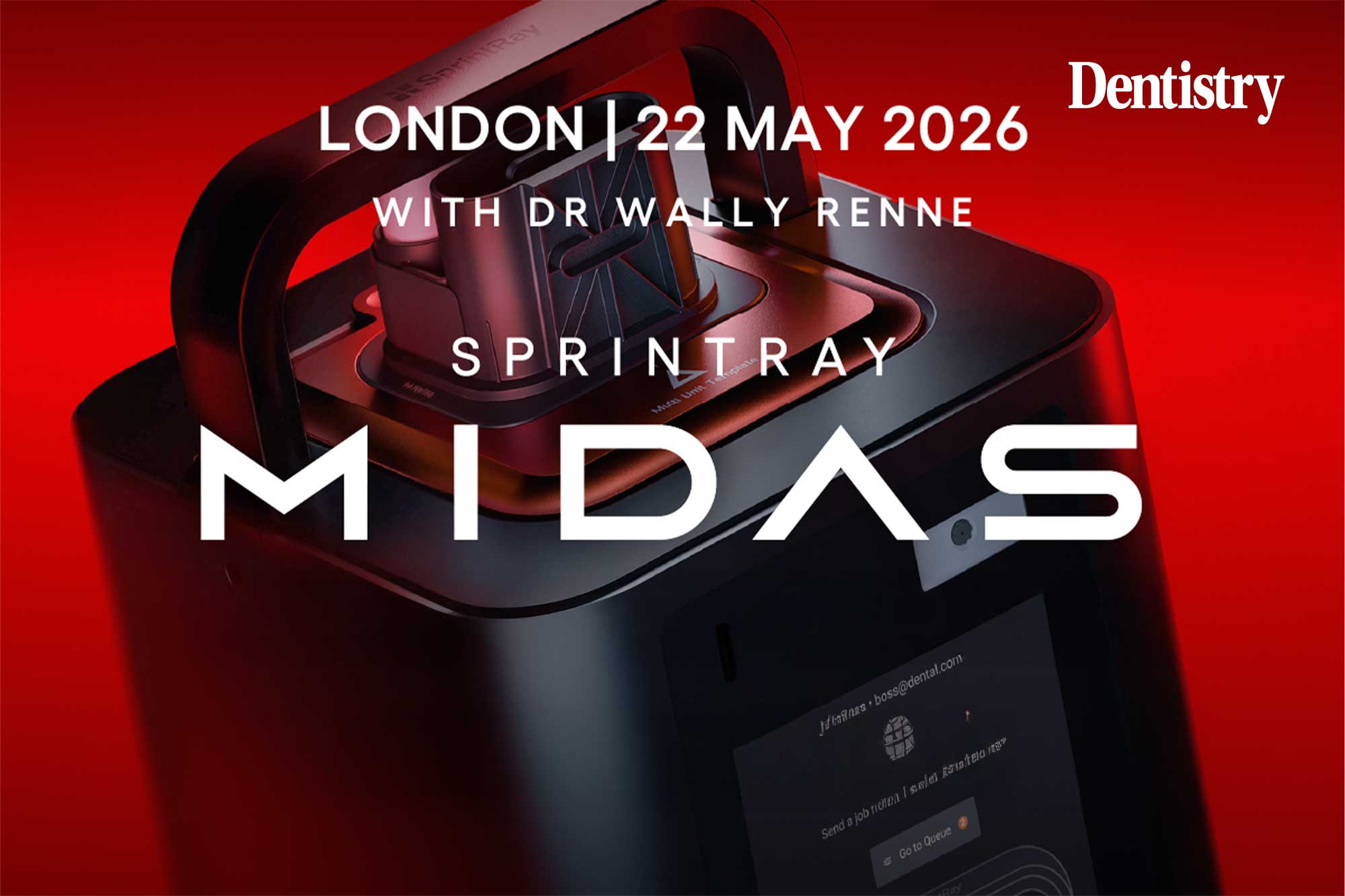
17% of dental professionals plan to adopt 3D printing within 12 to 24 months. Options range from compact models like the Asiga Max 2, which uses Active Layer Monitoring and Smart Positioning System for accuracy in tight spaces, to high-speed units like the Shining 3D Accufab-CEL, which prints crowns and bridges in 11 minutes. The Sprintray Midas uses digital press stereolithography with single-use resin capsules and prints three full crowns in under 10 minutes. Choosing a printer depends on practice priorities: speed, space constraints, budget, and output volume. Consulting equipment specialists can help match a printer to specific practice demands and available finance options.
Frequently asked questions
How much faster is 3D printing compared to traditional lab impressions?
Traditional impressions take anywhere from days to weeks due to lab processing and shipping. In-house 3D printing allows you to scan and print immediately, enabling same-day turnaround and, in some cases, single-appointment treatment completion.
What is the accuracy of dental 3D printers?
Modern dental 3D printers deliver 35µm accuracy with repeatable results. Unlike traditional impressions, which are subject to distortion, 3D printing produces precise, predictable outcomes, reducing the need for remakes.
What are the long-term cost savings of owning a 3D printer?
While 3D printers require upfront investment, they eliminate ongoing lab fees, shipping costs, and material waste. Per-unit production expenses are significantly lower, and practices can generate additional revenue by producing surgical guides, splints, night guards, aligner models, and temporary restorations.
How fast can dental 3D printers produce crowns?
The Shining 3D Accufab-CEL achieves 35µm accuracy in as little as 11 minutes for crown and bridge. The Sprintray Midas prints three full crowns (or six inlays or nine veneers) in under 10 minutes using digital press stereolithography.
What should I consider when choosing a 3D printer for my dental practice?
Key decisions include whether speed, space constraints, or budget is the priority. Compact models like the Asiga Max 2 suit space-limited practices, while high-speed units suit high-volume clinics. Consulting equipment specialists helps match a printer to your specific practice demands.