Why 95% of bite scans fail and how labs can fix it
Bite scan failures cost labs time and remakes. New software helps technicians verify or correct scans digitally.
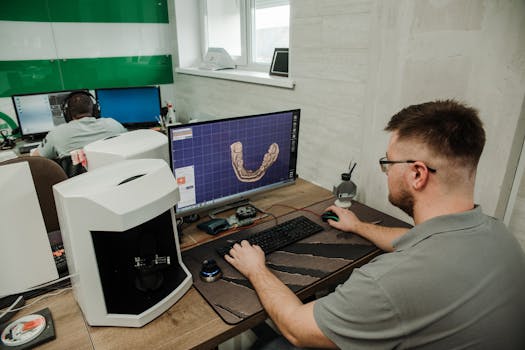
A new podcast episode from the Institute of Digital Dentistry explores why intraoral scanner bite registrations frequently fail in dental labs and the software solutions now available to address the problem. The episode reports that 95% of bite scans present challenges, with crowns often requiring 45 minutes or more of adjustment when bite data is incorrect or unusable.
Common causes of failed bite scans
Intraoral scanners have become standard in dental practices, but capturing accurate bite registrations remains problematic. Poor scan technique, patient movement, and software limitations contribute to unreliable bite data reaching labs. When a crown arrives needing extensive occlusal adjustment, the scanning process is frequently identified as the source of error, creating workflow friction between practices and labs.
Software solutions for bite capture and verification
Dental labs are increasingly adopting specialized software to assess, correct, and validate incoming bite scans before milling restorations. These tools allow technicians to review scan quality, detect missing or distorted areas, and either request new scans from the practice or apply corrections digitally. This approach reduces the number of remakes and chair time spent on adjustments, improving efficiency for both labs and practices.
Frequently asked questions
Why do intraoral scanner bite scans fail so often?
Poor scanning technique, patient movement during capture, and software limitations all contribute to unreliable bite registrations. The episode reports that 95% of bite scans present challenges that require correction or retaking.
What software solutions help labs handle failed bite scans?
Labs now use specialized software to assess scan quality, detect distorted areas, and either request retakes or apply corrections digitally before milling. This reduces remakes and adjustment time.
How much chair time is lost due to bad bite scans?
Crowns with incorrect bite data often require 45 minutes or more of occlusal adjustment in the patient's mouth, creating significant workflow delays and frustration for dentists.
Can bite scan errors be corrected in the lab instead of retaking scans?
Yes. Modern lab software allows technicians to validate, correct, or adjust bite data digitally before milling, reducing the need to return cases to the practice for new scans.