Peptide technology enables enamel regeneration without drilling
Peptide-based enamel regeneration now clinically available: dentists can intervene earlier in caries progression and preserve natural tooth structure.
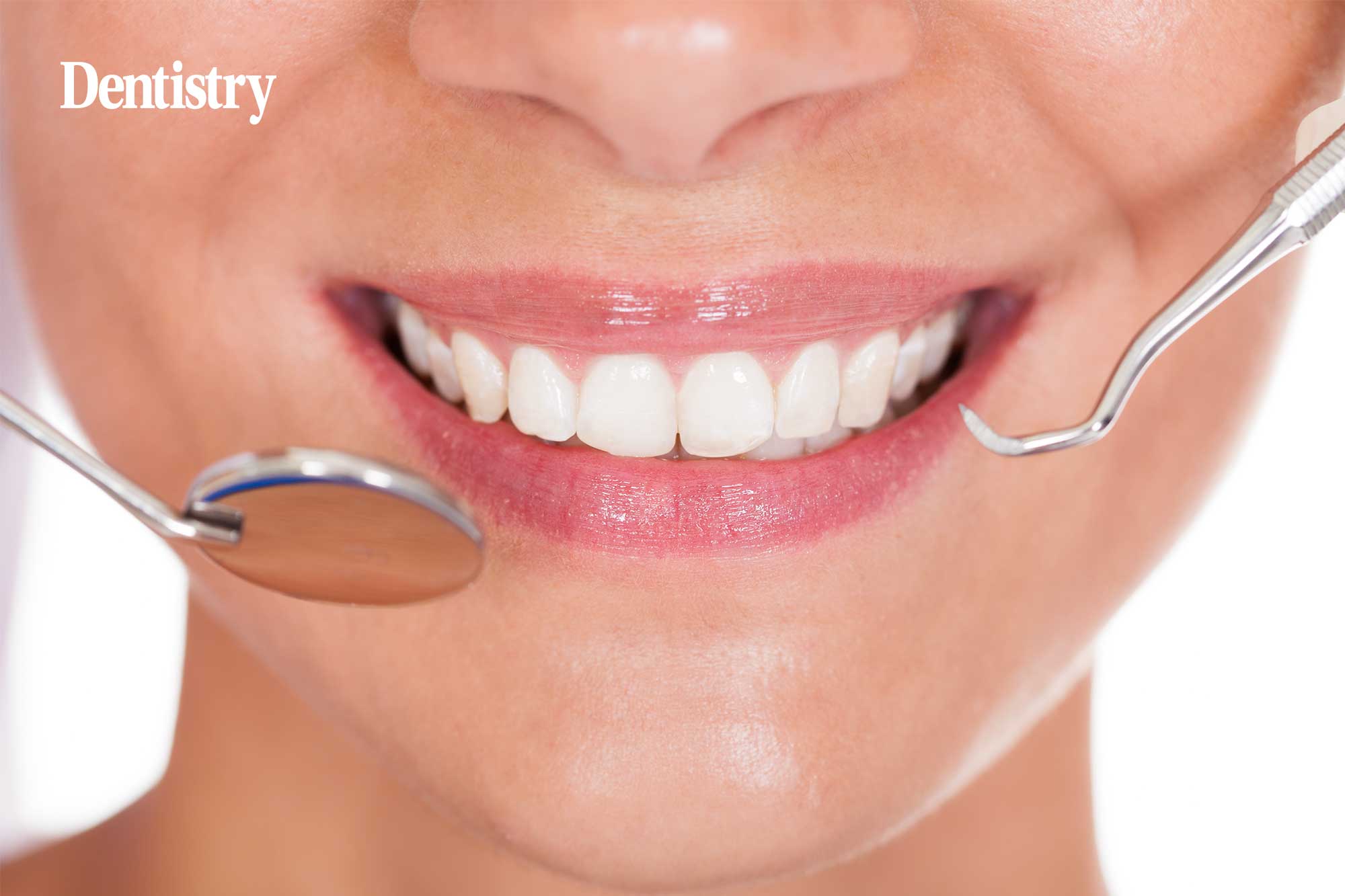
A peptide-based technology called CURODONT REPAIR offers an alternative to traditional drilling and filling for early-stage tooth decay. Instead of removing damaged enamel, the treatment uses self-assembling peptides to guide the tooth to rebuild itself through a biomimetic regenerative process.
How peptide-based enamel regeneration works
The treatment applies a liquid peptide solution to the tooth surface. In early carious lesions, the peptide diffuses into the demineralised, porous subsurface of the enamel. Once inside the acidic environment of the lesion, the peptide self-assembles into a three-dimensional matrix that mimics the natural enamel structure. This scaffold arrests the progression of the lesion and attracts calcium and phosphate ions from saliva, forming new hydroxyapatite crystals. The regeneration occurs throughout the depth of the lesion, not just at the surface, restoring mineral density and structural integrity.
Clinical advantages and adoption
The procedure requires no drilling or local anaesthetic and can be delivered by dentists, dental hygienists, and dental therapists. CURODONT REPAIR is the first commercially available peptide-based regenerative treatment for early-stage caries. The technology has been developed over more than two decades and supported by over 250 scientific publications, including peer-reviewed studies and real-world evidence demonstrating a success rate above 90 percent. Globally, the treatment has been used on more than 2.5 million teeth. Unlike traditional preventive approaches that work only at the surface, this peptide technology addresses subsurface mineral loss and enables earlier clinical intervention before restorative treatment becomes necessary.
Frequently asked questions
How does CURODONT REPAIR peptide technology stop early tooth decay?
The liquid peptide solution is applied to the tooth surface and diffuses into demineralised enamel. The peptide self-assembles into a scaffold that arrests lesion progression and attracts calcium and phosphate ions from saliva, forming new hydroxyapatite crystals throughout the lesion depth.
Can enamel regeneration with peptides replace drilling and filling?
Yes, for early-stage caries. The peptide-based treatment enables the tooth to rebuild itself without drilling, provided the lesion is caught early. Traditional drilling and filling remains necessary for advanced decay.
What is the success rate of peptide-based enamel regeneration?
Real-world evidence studies show a success rate above 90 percent. The technology has been used globally on more than 2.5 million teeth and is supported by over 250 scientific publications.
Who can deliver CURODONT REPAIR treatment?
Dentists, dental hygienists, and dental therapists can all deliver the procedure. It requires no drilling or local anaesthetic, making it micro-invasive and accessible across different dental professionals.
How long has peptide technology for enamel regeneration been in development?
CURODONT REPAIR has been developed over more than two decades of research. It is the first commercially available peptide-based regenerative treatment for early-stage caries in dentistry.