Digital workflows reshape implant and restorative dentistry, expert says
IDEM Singapore 2026 speaker shares practical steps for phased digital adoption and real-case workflows.
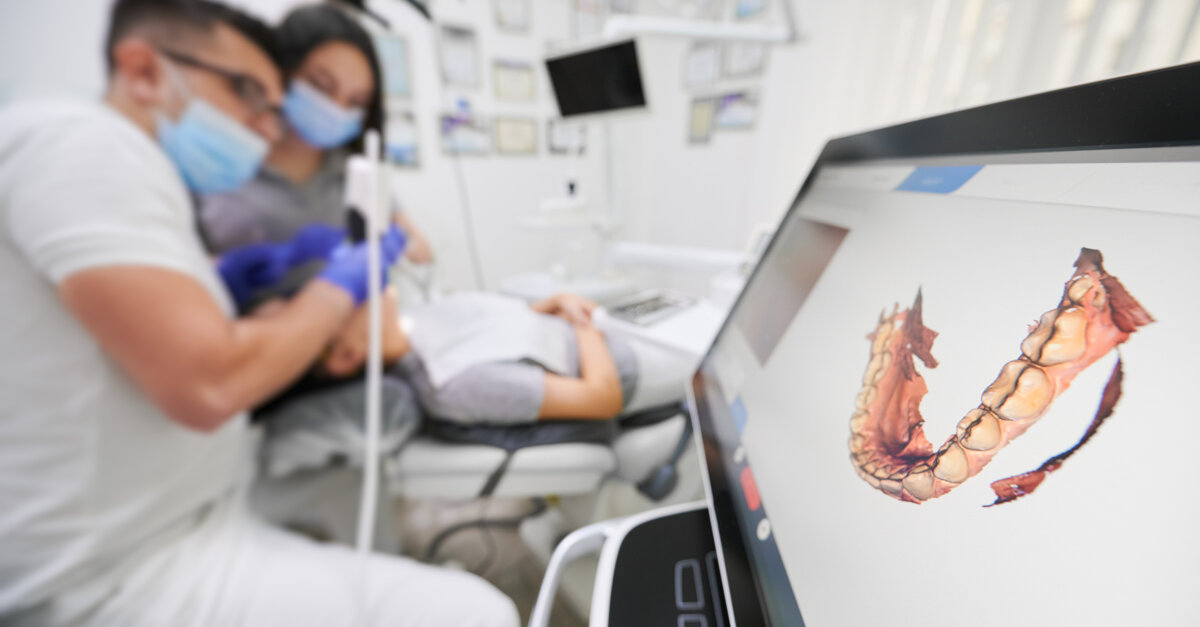
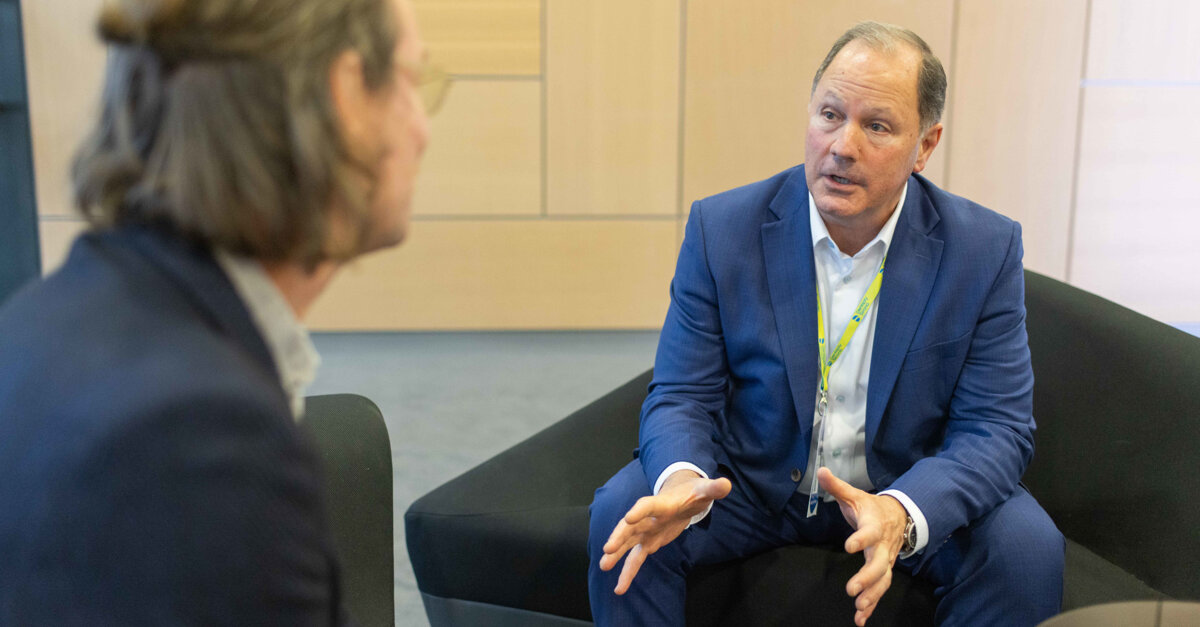
Dr Anas Aloum, an American Board-certified prosthodontist at Hikma Medical Centre in Abu Dhabi, will present at IDEM Singapore 2026 on how digital dentistry has transformed diagnosis, treatment planning, patient communication and clinical delivery. His sessions will cover real-case documentation and practical integration of digital technologies in everyday practice.
How digital tools improve clinical outcomes
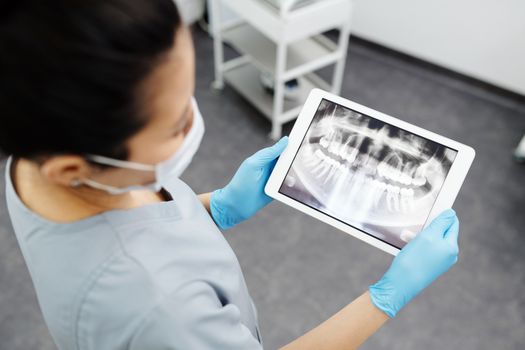
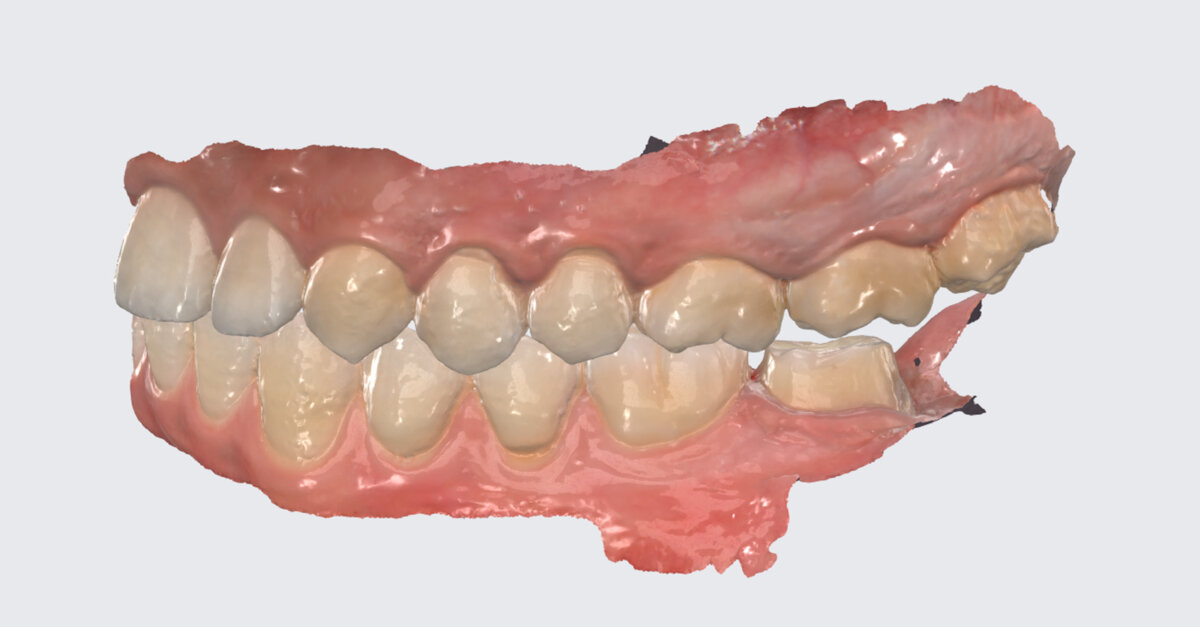
Intra-oral scanning enhances patient comfort and removes impression variables. 3D CBCT imaging improves risk assessment and guides implant placement from a restorative perspective. CAD/CAM workflows reduce human error and deliver restorations with better fit and faster turnaround. Digital smile design allows patients to visualise treatment outcomes before care begins, strengthening alignment between clinicians, technicians and patients on a clear treatment vision. Chairside printing and milling shorten timelines and improve clinical control. The core benefit is moving from subjective interpretation towards measurable, visualised and repeatable precision.
Overcoming barriers to digital adoption
Common obstacles to transitioning from analogue to digital include perceived high investment cost, skill gaps, team resistance and workflow disruptions. Dr Aloum recommends a phased implementation: start with intra-oral scanning and photography as entry points, gradually introduce digital design and guided workflows, engage the team with structured training, partner with strong laboratory providers, and measure outcomes such as efficiency, remake rates and patient satisfaction. When clinicians witness tangible improvements in these metrics, digital dentistry becomes sustainable.
Focus on smile design and artificial intelligence
Dr Aloum's full-day workshop at IDEM 2026 will be hands-on, covering clinical camera mastery, micro-expression analysis and AI-driven design. Participants will learn standardised photography and videography protocols, facial reference system alignment, integration of AI and digital mock-ups for treatment planning, communication frameworks for patients and laboratories, and translation of visual planning into guided execution. IDEM 2026 is themed 'Innovating Smart Dentistry for a Sustainable Digital Future' and expects discussions on AI-enhanced prosthodontics, predictive implantology through data-driven diagnostics and sustainable digital ecosystems that reduce waste.
Frequently asked questions
What are the main clinical benefits of digital smile design in everyday practice?
Digital smile design allows patients to visualise treatment outcomes before care begins, strengthening alignment between clinicians, technicians and patients around a clear treatment vision. It also moves diagnosis from subjective interpretation towards measurable, visualised and repeatable precision.
How should practices phase in digital dentistry to avoid workflow disruptions?
Start with intra-oral scanning and photography as entry points, gradually introduce digital design and guided workflows, engage the team with structured training, partner with strong laboratory providers, and measure outcomes such as efficiency and remake rates. When clinicians witness tangible improvements, adoption becomes sustainable.
What digital tools most reduce human error in restorative dentistry?
CAD/CAM workflows reduce human error and deliver restorations with improved fit and efficiency. 3D CBCT imaging improves risk assessment and guides implant placement from a restorative perspective.
Which topics are expected to dominate discussions at IDEM Singapore 2026?
Discussions are expected to centre on AI-enhanced prosthodontics and automated treatment planning, predictive implantology through data-driven diagnostics, material innovation balancing aesthetics and biocompatibility, and sustainable digital ecosystems that reduce waste.