Researchers develop tuneable polymer systems for 3D-printed dentures
Emerging materials research showing how denture design may improve patient comfort and antimicrobial function in 3D printing.
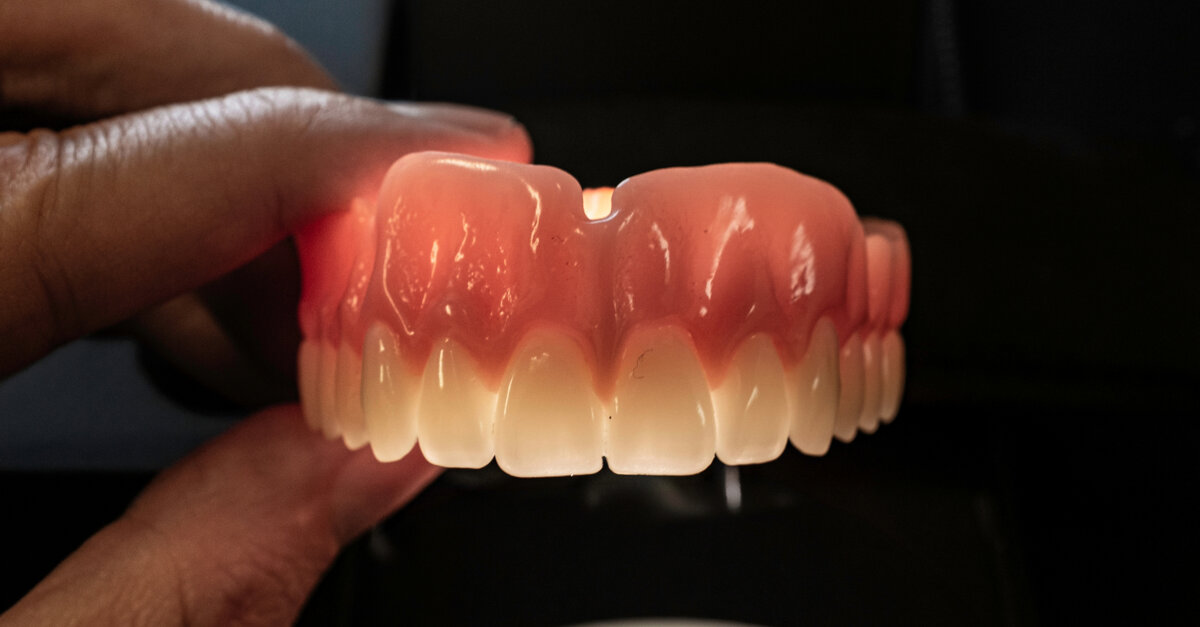
Researchers at the University of Colorado Anschutz School of Dental Medicine are developing inkjet-printable polymer systems that allow precise control of mechanical properties in 3D-printed dentures. Led by Prof. Jeffrey Stansbury, the project aims to create materials where stiffness, elasticity, and other properties can be tailored for different regions of a removable prosthesis, potentially improving patient comfort and denture durability.
Antimicrobial functionality and clinical translation
Parallel research is incorporating antimicrobial and antifungal materials into the 3D-printed dentures. These materials have demonstrated significant activity against Streptococcus species and Candida. The same polymer systems and custom inkjet printer platform will support testing of these antimicrobial properties alongside future advanced materials. Prof. Stansbury noted that this approach could improve oral health for patients wearing full or partial dentures made from the new material.
From research to patient care
The dental school has established a dedicated 3D printing hub integrating materials development, clinical application, and dental education, described as the first dental school facility combining these capabilities. Students and staff can now work with the technology in patient care settings. A planned clinical trial will compare dentures printed from the new materials with conventional and milled dentures in terms of patient satisfaction and functional outcomes. A recent systematic review found that 3D-printed complete dentures show clinical outcomes broadly comparable to conventional dentures, though conventional dentures may offer stronger retention. If clinically validated, the tuneable materials could enable more sophisticated design of removable prostheses.
Frequently asked questions
What are tuneable denture materials?
Tuneable polymer systems allow dentists and researchers to control the stiffness, elasticity, and other mechanical properties within different regions of a 3D-printed denture. This means different parts of the same denture can respond more appropriately to functional loading.
How do antimicrobial denture materials work?
The new materials being developed have shown significant activity against Streptococcus species and Candida, which are common causes of denture-related infections and stomatitis. These antimicrobial and antifungal properties can be incorporated directly into 3D-printed dentures.
When will tuneable dentures be available clinically?
A clinical trial is planned to compare dentures made from the new materials with conventional dentures. The trial will assess patient satisfaction and functional outcomes. No clinical availability date has been announced.
How do 3D-printed dentures compare to conventional dentures?
A recent systematic review found that 3D-printed complete dentures show broadly comparable clinical outcomes to conventional and milled dentures, although retention may be stronger with conventional dentures.