Food insecurity and oral health: what patients want dentists to know
First study capturing food insecurity patients' views on dental care; shows dentists need training on poverty's impact on oral health.
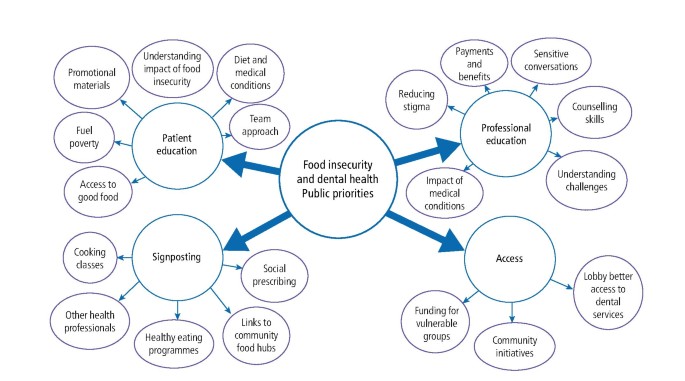
Study identifies patient priorities for dental care in food insecurity
A patient and public involvement study in Liverpool gathered the views of 35 people with lived experience of food insecurity to understand their dental care needs and priorities. Researchers conducted face-to-face meetings
Frequently asked questions
What percentage of the UK population experience food insecurity?
Approximately 21% of the UK population experience food insecurity, defined as limitation to or uncertainty about the availability of nutritionally adequate and safe foods, or the ability to acquire acceptable foods in a socially acceptable way.
What are the four main priorities patients with food insecurity identified for dental care?
The four priorities are: improving access to dental care, improving dental professionals' understanding of living in poverty and its impact on oral health, patient education, and signposting to support services.
How does food insecurity affect oral health?
People experiencing food insecurity often choose cheaper refined carbohydrates and sugary foods, increasing caries risk. They typically lack access to oral hygiene products such as toothpaste and toothbrushes, and experience more severe consequences from untreated dental disease, including reduced oral health-related quality of life.
What changes do dental professionals need to make when treating patients in food insecurity?
Dentists should focus on understanding the social and economic context of patients' lives rather than delivering conventional dietary advice. Training should emphasize recognizing poverty's impact on oral health and the ability to build meaningful conversations with patients about food and health without blame or stigma.
How many people participated in this patient and public involvement study?
Thirty-five people from community food networks participated, comprising 25 community pantry members, 5 managers, and 5 community advisors. Meetings took place between January and July 2024 in Liverpool.