Neanderthal tooth reveals earliest known dental treatment, 59,000 years ago
Earliest known tooth drilling pushes back dental treatment history by 45,000 years, expanding understanding of Neanderthal cognition.
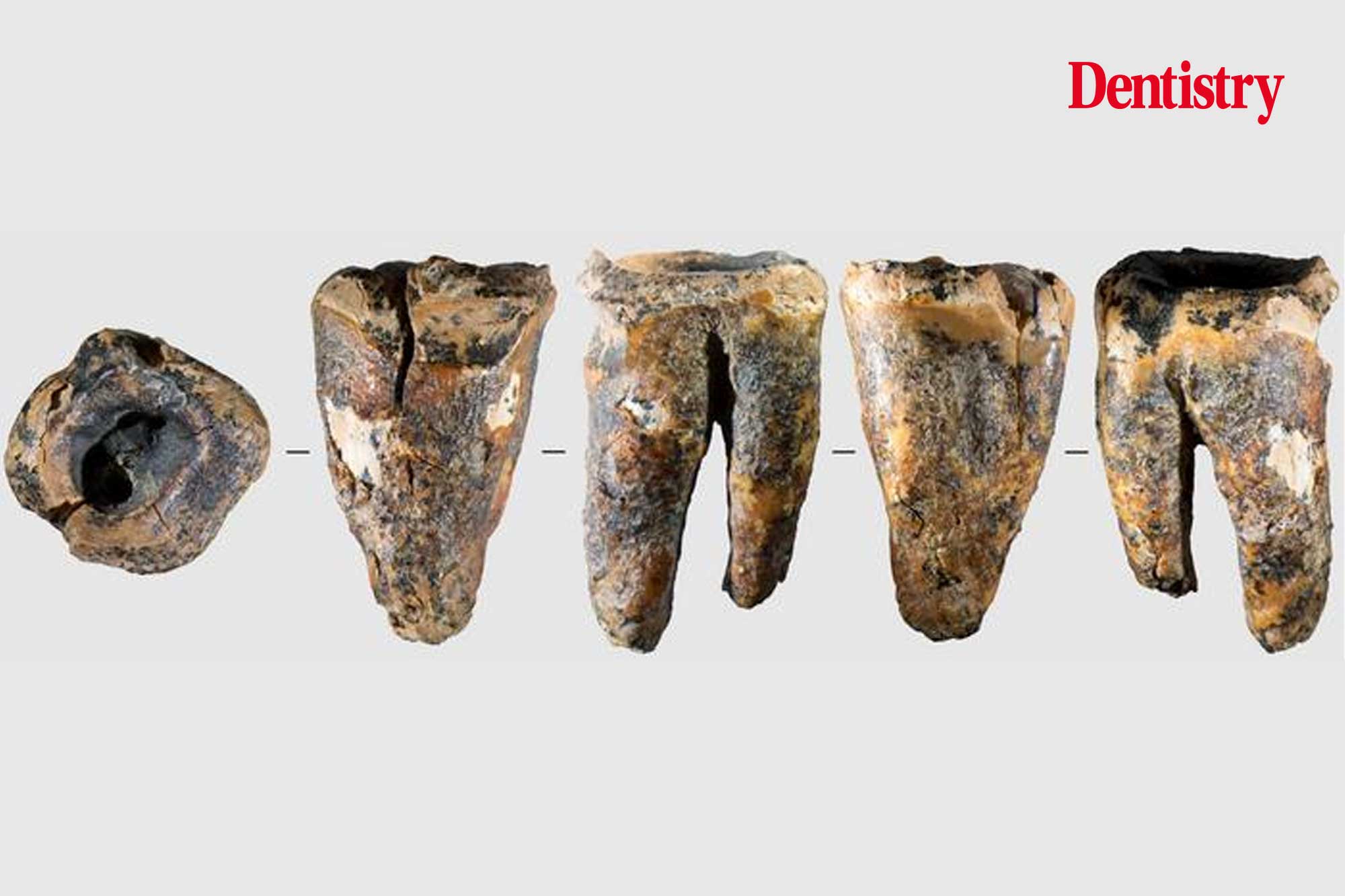
Researchers have identified what they believe is the world's oldest evidence of intentional dental treatment: a Neanderthal molar from Siberia dating to 59,000 years ago. The tooth shows signs of deliberate drilling to remove decayed tissue, predating the next oldest known example by more than 40,000 years.
How researchers identified ancient dental work
Scientists from the study, published in PLOS One, examined the molar from Chagyrskaya Cave in Siberia and compared it with experimental results. They created stone tools from local jasper matching picks found at the site and used them to drill into modern teeth. Microscopic analysis revealed identical scratch patterns on both the ancient tooth and the experimental specimens, confirming that a rotating drilling motion with a sharp stone tool could effectively remove decayed dental matter. Co-author Lydia Zotkina stated that the findings demonstrate this method permitted rapid removal of damaged tissue.
Evidence of successful treatment and ongoing tooth use
The tooth showed multiple indicators of intentional treatment rather than natural wear. Researchers identified demineralized areas where carious damage remained, and the concavity in the tooth's chewing surface differed from normal pulp chamber morphology. Distinctly visible scratches ruled out natural damage. The tooth also displayed antemortem wear, which could only develop if the individual continued using the tooth after treatment. This wear pattern, combined with the other evidence, indicates the treatment was successful enough for the Neanderthal to keep the tooth functional. The same specimen also showed tooth pick grooves and signs of repeated interproximal cleaning, suggesting oral hygiene practices. This discovery indicates Neanderthals possessed the capacity to identify pain sources, devise treatment strategies, apply precise manual dexterity, and endure painful procedures for future benefit. Previously, the oldest documented human dental treatment was found in Italy and dated to 14,000 years ago.
Frequently asked questions
What age is the Neanderthal tooth showing dental treatment?
The tooth is 59,000 years old and comes from Chagyrskaya Cave in Siberia. It predates the next oldest known example of intentional dental treatment by more than 40,000 years.
How did researchers prove the hole was from drilling and not natural wear?
Microscopic analysis revealed scratch patterns matching those produced experimentally with stone tools. The concavity's shape differed from normal pulp chamber morphology and typical carious lesions, and distinctly visible scratches indicated intentional action rather than natural damage.
What tools did Neanderthals use to treat the tooth?
Stone perforators made from local jasper, which were discovered at the cave site. Researchers confirmed through experiments that these tools with a rotating drilling motion could effectively remove decayed dental tissue.
Did the Neanderthal continue using the tooth after treatment?
Yes. The tooth showed antemortem wear, meaning damage that developed only while the individual was alive and using the tooth. This indicates the treatment was successful enough for ongoing use.