Most European dentists skip standardised caries risk assessment tools
Study shows most European dentists avoid standardised caries assessment tools; training improves compliance with guidelines.
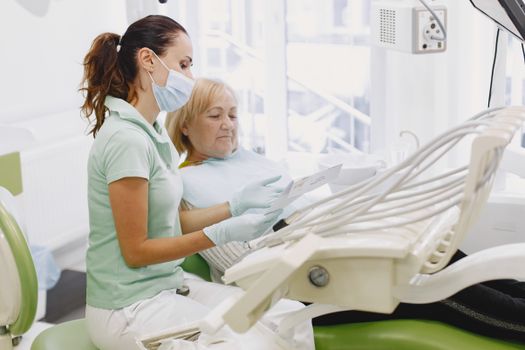
A four-country observational study of 51 dentists and 1,008 patients found that standardised caries risk assessment tools are used by fewer than 15% of European dental practitioners. The CARMEN study examined how dentists assess and manage caries risk across their patient populations and identified significant variation in clinical approaches.
How dentists currently assess caries risk
Most dentists rely on oral examinations and medical interviews as their primary assessment methods. Nutritional assessment and fluoride intake evaluation occur less frequently, while salivary or microbiological testing is rare in routine practice. This inconsistency means patients may receive different levels of caries risk evaluation depending on where they seek care.
Factors linked to better risk management
Dentists who received university training specifically on caries risk assessment showed stronger adherence to recommended guidelines. The study also found an inverse relationship between caries risk and patients' socioeconomic status, suggesting that financial circumstances influence both disease prevalence and access to preventive management.
Implications for clinical practice
The researchers emphasise that clinicians should tailor caries risk assessment methods to each patient's individual circumstances rather than applying a one-size-fits-all approach. The low uptake of standardised tools suggests that many dentists either lack familiarity with them or do not perceive them as necessary for their patient populations. Formal training in caries risk protocols appears to improve clinical decision-making and alignment with evidence-based recommendations.
Frequently asked questions
What percentage of European dentists use standardised caries risk assessment tools?
Fewer than 15% of dentists in the CARMEN study used standardised tools for caries risk assessment. The majority relied instead on oral examinations and medical interviews, with nutritional assessment, fluoride intake evaluation, and salivary or microbiological testing being less common.
How many dentists and patients were included in the CARMEN study?
The four-country observational study recruited 51 dentist volunteers who enrolled 1,008 patients requiring caries risk management. The study examined clinical practices and patient records across Europe to assess variations in caries risk assessment methods.
Does university training in caries risk assessment improve clinical practice?
Yes. Dentists who received specific university training on caries risk showed positive correlation with adherence to evidence-based recommendations, suggesting that formal education strengthens alignment with clinical guidelines.
What is the relationship between socioeconomic status and caries risk?
The study found an inverse association between caries risk and patients' socioeconomic status, meaning patients with lower socioeconomic status had higher caries risk, indicating that financial circumstances influence disease prevalence.
Why do most European dentists avoid standardised caries risk tools?
The study does not explain dentists' reasons for low uptake. It suggests clinicians should adapt assessment approaches to individual patient needs rather than apply standardised protocols uniformly, which may reflect either preference for personalised assessment or lack of familiarity with available tools.