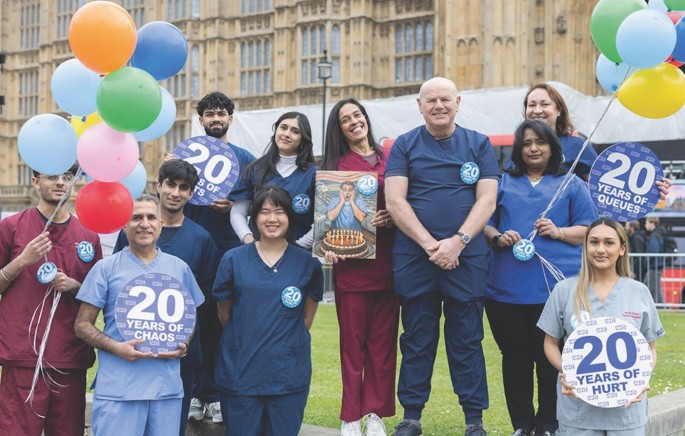
CMA inquiry poses reputational risk but patient trust in dentists remains strong
CMA inquiry may concern regulators, but patient trust in their own dentist remains robust and unaffected by sector-wide headlines.

The Competition and Markets Authority inquiry into private dentistry and recent NHS funding repayments have raised concerns about potential damage to the dental profession's public reputation. Media narratives risk reviving the 'greedy dentists' label, though the British Dental Association and its leadership have worked to counter such characterisations with more balanced coverage.
Why public trust matters for the profession
Trust in dentistry affects how governments and regulators approach contractual frameworks and funding decisions. Public suspicion about practitioners' motives can prompt governments to tighten financial resources. However, patient trust in their own dentist typically remains strong regardless of broader sector concerns. This dynamic has held true since the 1990s, when the profession faced similar scrutiny over over-treatment following the 1986 Schanschieff Review. Despite widespread media criticism at that time, NHS dentistry accounted for over 85% of provision, yet some dentists successfully transitioned to private practice by relying on the trust they had built with individual patients.
How the Trust Equation explains patient loyalty
The Trust Equation, a framework introduced in the 2000 book The Trusted Advisor by Maister, Greene and Galford, identifies four factors shaping trustworthiness: credibility (what someone says), reliability (what someone does), intimacy (emotional connection), and self-orientation (whether the practitioner prioritises their own interests). A dental qualification establishes basic credibility. Reliability and intimacy build over time through consistent care and human connection. When patients assess self-orientation, many find switching dentists uncomfortable once a relationship has begun. This explains why most patients who can afford private care choose to follow their existing dentist rather than seek unknown alternatives. General dentistry practices typically grow through referrals from trusted patients recommending practitioners who demonstrate credibility, reliability, and intimacy.
Cosmetic dentistry and consumer behaviour
Cosmetic procedures present an exception to the Trust Equation's predictive power. Patients regularly visit unfamiliar practitioners for elective cosmetic work, sometimes seeking treatment abroad (the 'Turkey teeth' phenomenon). The psychology of elective care appears to shift patients' mindset from trusting relationships to consumer behaviour. Patients may feel more empowered to self-diagnose and visualise desired outcomes, making them more receptive to sophisticated marketing. This consumer orientation potentially undermines the trust factors that guide general dentistry choices.
Frequently asked questions
How does the CMA inquiry into private dentistry affect patient trust?
While media coverage of the inquiry raises concerns about reputational damage and a revival of 'greedy dentists' narratives, patient trust in their own dentist typically remains strong and unaffected by broader sector criticism. Individual relationships built on credibility, reliability, and intimacy protect practitioners from sector-wide headlines.
What is the Trust Equation and how does it apply to dentistry?
The Trust Equation, from the book The Trusted Advisor (2000), identifies four factors: credibility (what someone says), reliability (what someone does), intimacy (emotional connection), and self-orientation (the practitioner's focus). In dentistry, a qualification establishes credibility, but reliability and intimacy build over time, making patients reluctant to switch dentists once trust is established.
Why do patients stay with their dentist when going private?
Patients prefer to continue with a tried and tested dentist rather than change to an unknown alternative, even if they must pay more. Once a relationship has begun, switching feels uncomfortable. This pattern held true since the 1990s, when despite media scrutiny, successful dentists transitioned to private practice by relying on patient trust.
Why do patients seek cosmetic treatment from unfamiliar practitioners?
Elective cosmetic care appears to shift patient behaviour from trust-based decisions to consumer-driven choices. Patients may feel more empowered to self-diagnose and visualise outcomes, making them more receptive to sophisticated marketing. This consumer mindset challenges the Trust Equation's predictive power in cosmetic dentistry.
Does the 1986 Schanschieff Review still affect how patients view dentists?
The Schanschieff Review examined unnecessary dental treatment in the 1970s and created lasting media narratives about over-treatment. However, despite this historical criticism and subsequent scrutiny, many dentists successfully built private practices on patient trust, demonstrating that individual relationships can overcome sector-wide reputation concerns.