Normalising change in dental labs requires leadership and trust
Lab owners facing automation and AI adoption will find practical guidance on building change-ready culture and leadership.
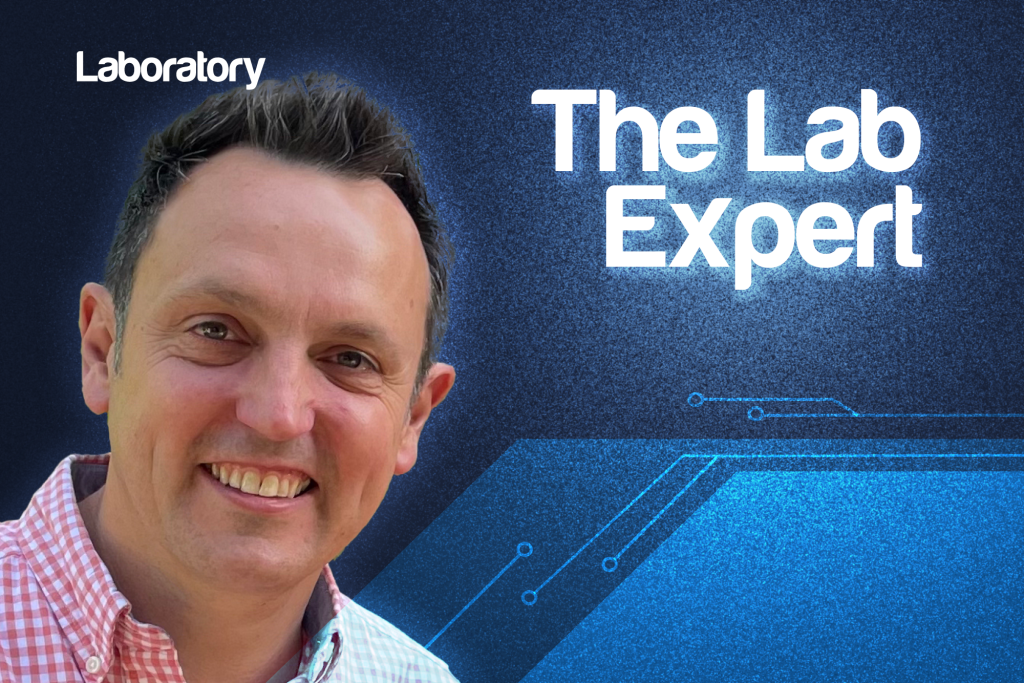
Ashley Byrne, owner of Corus Byrnes (formerly Byrnes Dental Laboratory), argues that dental lab leaders must normalise change rather than resist it. New materials, digital workflows, automation, and AI-assisted design are reshaping the industry, and labs that fail to adapt risk falling behind.
Why resistance to change is counterproductive
Lab owners and technicians often experience anxiety when facing technological shifts. Byrne draws on decades of experience managing disruption, from early CAD/CAM systems to current fully digital and remote workflows. Resisting change is not a viable strategy for survival in modern dentistry. The key challenge is not acquiring new equipment, but building the organisational culture needed to support continuous adaptation.
Leadership, culture and trust as foundations
Successfully embedding change requires more than technology investment. Byrne emphasises that leadership quality, workplace culture, respect, and trust among team members are the real drivers of successful transformation. Labs that treat change as normal rather than disruptive, and that create psychologically safe environments for learning from mistakes, are better positioned to adopt new tools and workflows effectively.
Frequently asked questions
Why do dental lab owners resist adopting new technology?
Lab owners and technicians often experience anxiety when facing technological change, from new materials to AI-assisted design. Resistance stems from discomfort with disruption, even though refusing to adapt puts labs at risk of falling behind competitors.
What makes change easier to implement in a dental lab?
Building strong leadership, a culture of trust, and psychological safety for learning from mistakes helps labs normalise change. Technology alone is insufficient; the organisational culture must support continuous adaptation and experimentation.
What changes are currently reshaping dental laboratory work?
New materials, digital workflows, automation, AI-assisted design, and remote working arrangements are transforming the industry. Labs that do not adapt to these shifts risk losing competitiveness.
How can lab leaders build a change-ready team?
Byrne emphasises creating environments where team members feel respected and trusted. Labs must frame mistakes as learning opportunities rather than failures, enabling staff to embrace new processes without fear.