Self-employed associates need different engagement than employed teams
Webinar on managing self-employed associates using appropriate engagement strategies rather than employment models.
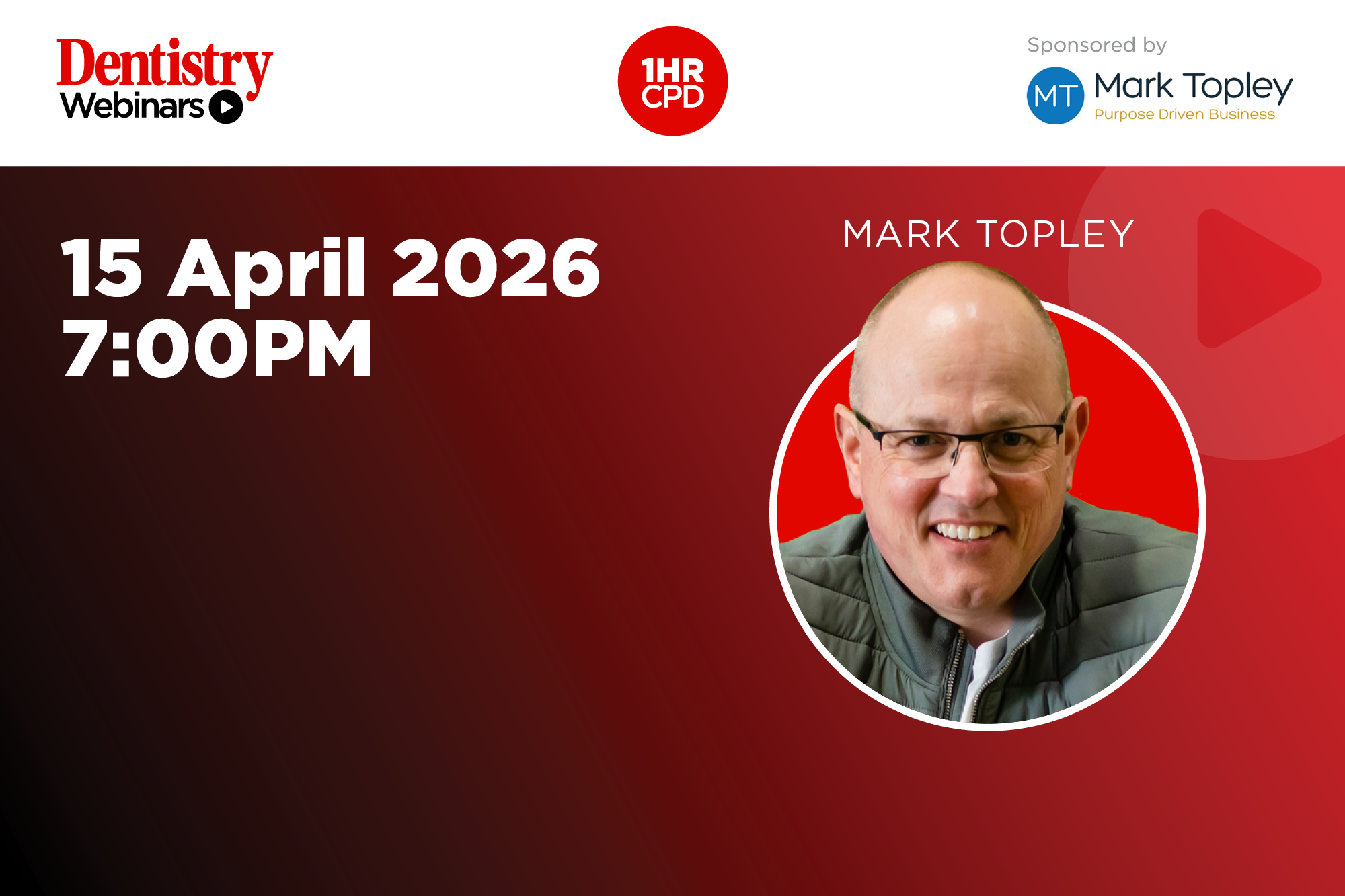
A webinar by leadership consultant Mark Topley addresses a widespread mismatch in UK dental practice management: practices employ self-employed associates but manage them using engagement strategies designed for employed staff. This disconnect reduces associate motivation, consistency, and profitability.
Why self-employed and employed staff need different approaches
Self-employed associates and employed team members respond to different motivators. Practices that apply employment-based engagement models to self-employed clinicians risk unintentional disengagement. Self-employed associates value autonomy, clear commercial boundaries, and performance-based outcomes differently than salaried staff who respond to team cohesion and organizational belonging. The webinar examines where current practice leadership approaches miss these distinctions and inadvertently alienate self-employed clinicians.
How practice leaders can adapt management behaviours
Topley, who consults with independent practices and dental service organizations (DSOs), identifies practical ways for leaders to adjust their approach. Specific topics include understanding self-employed motivators, spotting engagement gaps, adapting leadership behaviours without violating self-employment boundaries, setting clearer performance expectations, and conducting more confident conversations with self-employed clinicians. His experience across multiple DSO sites reveals how engagement strategies must flex depending on scale, location, and associate profiles. The webinar aims to improve associate buy-in, clinical performance, and practice profitability through these aligned expectations.
Frequently asked questions
Why do practices struggle with self-employed associate engagement?
Practices often use engagement strategies designed for employed staff when managing self-employed associates. This mismatch occurs because self-employed clinicians respond to different motivators than employed team members, creating unintentional disengagement and lower performance.
What motivates self-employed dental associates differently?
Self-employed associates prioritize autonomy, clear commercial boundaries, and performance-based outcomes, whereas employed staff respond more to team cohesion and organizational belonging. Understanding these differences is essential to effective leadership.
How can practice leaders improve associate performance without crossing self-employment boundaries?
Leaders can adapt their approach by understanding self-employed motivators, identifying where current engagement methods fail, setting clearer expectations, and conducting constructive conversations that respect self-employment status while improving consistency and profitability.
Does the webinar address DSO-specific challenges in associate management?
Yes. Speaker Mark Topley works with both independent practices and dental service organizations and shares how engagement strategies must adapt across multiple sites and varied associate profiles at scale.
Who is Mark Topley?
Mark Topley is a UK dentistry-focused leadership and team performance consultant specializing in associate engagement, leadership consistency, and performance alignment across independent practices and DSOs.