Dental therapist builds sports dentistry career supporting elite athletes
Emerging specialisation in sports dentistry offers dental therapists new clinical and academic opportunities.
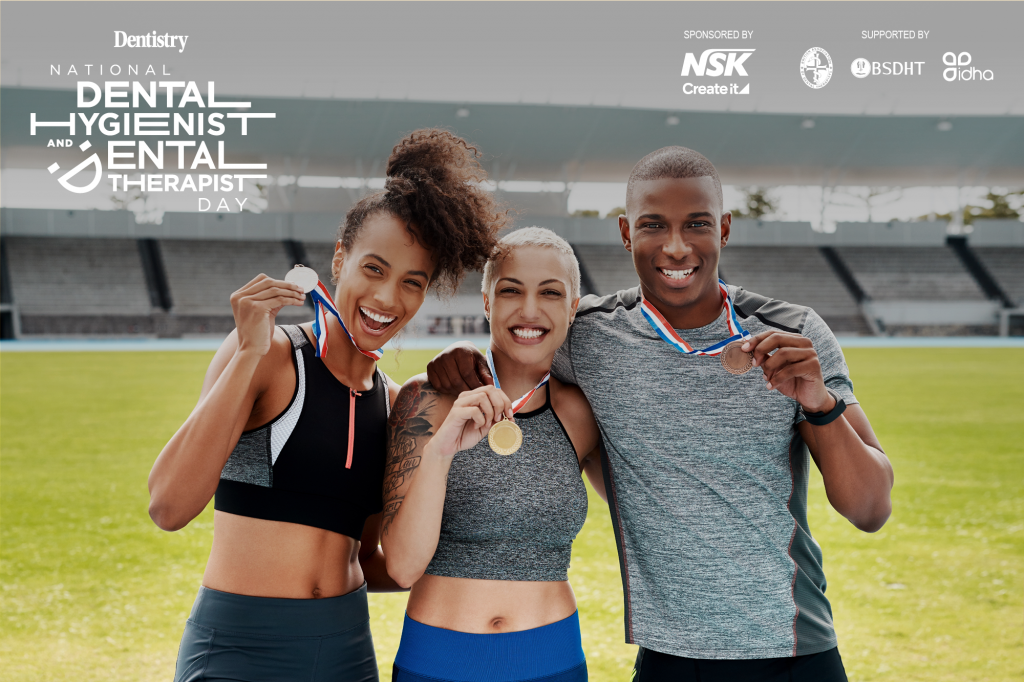
Imogen Johnson, a dental sports therapist, describes how she moved from dental therapy into elite sport support, recognising that oral health plays an overlooked but essential role in athlete performance and recovery. Pain, infection, inflammation and dehydration linked to oral disease can affect sleep, recovery and competitive outcomes.
Embedding oral care into athlete performance
Johnson's work shows how oral health must integrate into an athlete's broader performance strategy rather than existing as a separate demand. Prevention, education and timely intervention form the foundation, but the real impact comes when oral care becomes part of the overall health plan. For athletes managing intensive training cycles and competition schedules, dental care often drops in priority, so the approach shifts from asking athletes to find time for dental visits to explaining how oral health supports resilience and readiness to compete.
Managing nutrition and performance demands
Athletes face particular oral health challenges through their nutrition strategies. High-frequency carbohydrate intake, sports drinks and acidic supplements support performance goals but increase caries and erosion risk. Rather than demanding dietary changes that could harm performance, the dental professional's role becomes one of mitigation: understanding these risks and implementing preventive strategies that safeguard oral health without compromising training or competition outcomes.
Growing international recognition
Johnson presented a feasibility study on ballet dancers' oral health at the UK Sports Dentistry Association conference in September 2025 and helped establish the South African Sports Dentistry Association. She is now working on launching the ANZ Sports Dentistry Association in Sydney. These developments reflect a global shift towards recognising oral health as integral to athlete wellbeing, with prevention, education and integration emerging as universal themes across different countries and sporting disciplines.
Frequently asked questions
How does oral health affect athlete performance?
Pain, infection, inflammation and dehydration from oral disease can compromise comfort, sleep and recovery, all of which directly influence athletic performance. In high-performance environments where marginal gains matter, oral health becomes part of the overall performance equation.
What is the main challenge for athletes' oral health in nutrition?
Athletes use high-frequency carbohydrate intake, sports drinks and acidic supplements to fuel performance, but these increase caries and erosion risk. Dental professionals must implement preventive strategies that protect oral health without forcing athletes to change their performance nutrition plans.
What qualifications did Imogen Johnson pursue in sports dentistry?
Johnson completed an MSc in sports dentistry at the Eastman Dental Institute after earning her BSc. She was one of the first dental therapists to enrol in the full MSc programme, with support from tutors and Professor Peter Fine.
Where is sports dentistry developing globally?
Johnson has contributed to establishing the South African Sports Dentistry Association and is working on launching the ANZ Sports Dentistry Association in Sydney. The UK Sports Dentistry Association also holds annual conferences and has a growing membership of clinicians embedded in sporting environments.
What advice does Johnson give to dental therapists considering sports dentistry?
She recommends that therapists recognise athletes in their existing chair may have unique risk profiles linked to training, nutrition and competition. Preventive care, risk assessment and tailored education are areas where dental care professionals excel, and the field is still developing with space to contribute clinically and academically.