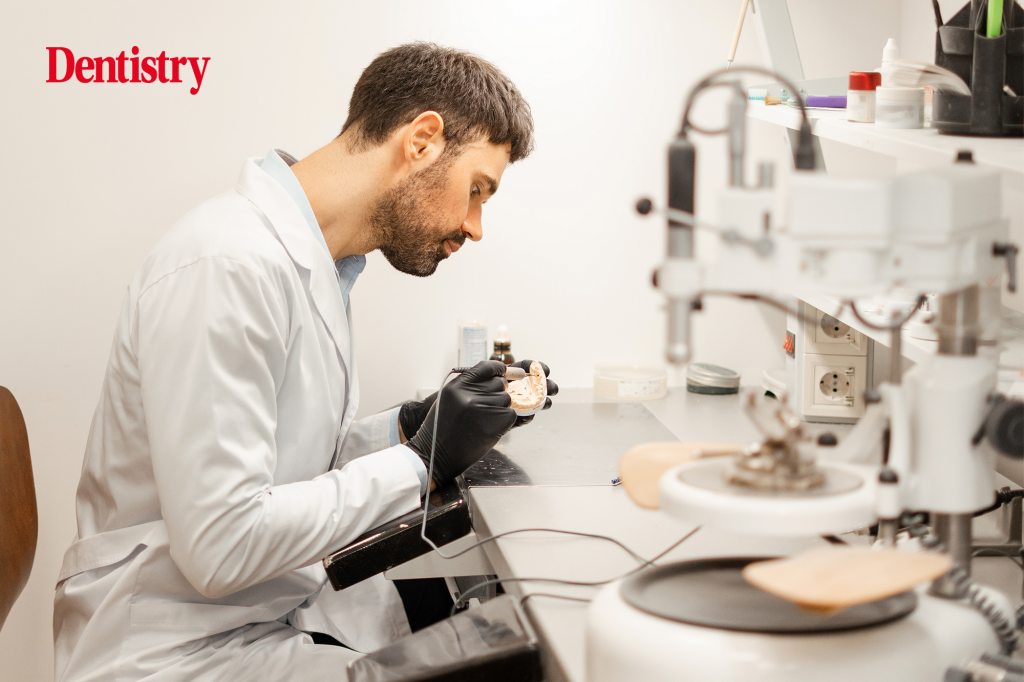
Dental therapist role expands as social media drives career interest
Dental therapists now fill critical roles in UK practices; recruitment may improve through TikTok visibility.

The evolving role of dental therapists in modern practice
The dental therapist profession is shifting from a supplementary position to an essential part of the modern dental workforce. As practices face sustained access pressures and patients increasingly prioritize prevention, therapists are taking on expanded responsibilities including periodontal treatment, restorative care, long-term maintenance, and patient education. This change reflects a broader transformation in how dentistry is delivered, with a focus on efficient, high-quality, prevention-focused care.
Social media changing how young dentists discover the profession
Platforms like TikTok are significantly raising awareness of the dental therapist role among younger generations considering careers in dentistry. Content creators documenting clinic life, patient care, and the realities of working in modern dentistry are reaching thousands of prospective applicants who may never have encountered the profession through traditional career pathways. This online exposure is reshaping the recruitment landscape and making the role visible to a much broader audience of potential entrants to the profession.
Frequently asked questions
What responsibilities do dental therapists now have in UK practices?
Dental therapists provide periodontal treatment, restorative care, long-term maintenance, and patient education. They are increasingly essential to modern practices managing access pressures and prevention-focused patient care.
How is TikTok affecting dental therapist recruitment?
Content creators on TikTok are documenting clinic life and dental work, reaching thousands of prospective applicants. The platform is making the dental therapist role visible to younger generations who may not have encountered it through traditional career pathways.
Why is the dental therapist role becoming more important?
Practices face sustained access pressures while patients increasingly prioritize prevention. Dental therapists help deliver efficient, high-quality care and reduce the clinical burden on dentists.