Study reveals gaps in patient knowledge of anticoagulants before tooth extraction
Study confirms patient education gaps on anticoagulants before extractions; standardised protocols needed for safer outcomes.
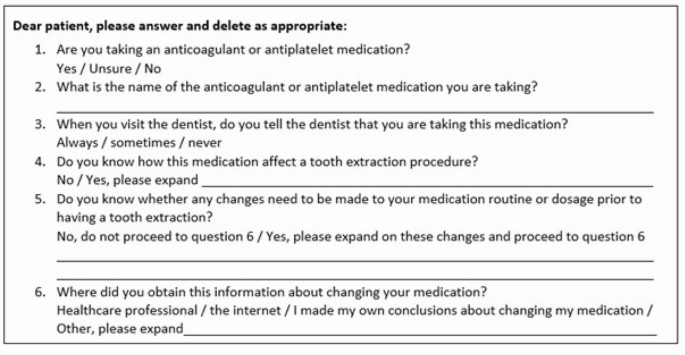
A three-month prospective evaluation at Liverpool University Dental Hospital assessed how 26 patients on anticoagulant or antiplatelet therapy were managed during dental extractions. Twenty-four patients underwent extractions, with most requiring three or fewer routine removals. The study examined clinician advice, patient understanding, and post-operative outcomes to identify gaps in current practice.
Patient education and medication understanding
Six of the 26 patients received no initial information about their medication, and only eleven were aware of its bleeding risks. Three patients altered their medication regimen against clinician advice. These findings demonstrate that many patients lack basic understanding of how their anticoagulant or antiplatelet medications affect bleeding during dental procedures. The variation in patient knowledge suggests that current information delivery methods are inconsistent.
Post-operative bleeding and management outcomes
Four patients experienced minor bleeding on day one post-extraction, all of which was self-managed without requiring additional intervention. No patients reported bleeding beyond day one. Local haemostatic measures proved effective in controlling bleeding, supporting safe management of anticoagulated patients undergoing dental extractions. The low complication rate indicates that established protocols can work well when followed, despite gaps in patient education.
Clinician practice and documentation
The study identified inconsistencies in clinician advice and adherence to guidelines. Researchers concluded that enhanced patient education delivered through multiple formats, combined with clear clinician guidance and robust documentation, can improve outcomes and minimise risks in this patient population. The findings emphasise the need for standardised protocols and better communication between dental teams and patients on anticoagulant therapy.
Frequently asked questions
How many patients in the study understood bleeding risks from their anticoagulant medication?
Only eleven out of 26 patients were aware that their anticoagulant or antiplatelet medication increased bleeding risk. Six patients received no initial information about their medication at all. This gap in patient understanding highlights the need for improved education before dental procedures.
What complications occurred after extractions in anticoagulated patients?
Four patients experienced minor bleeding on day one post-extraction, all of which was self-managed with local haemostatic measures. No patients reported bleeding beyond day one. The low complication rate supports the safety of dental extractions in anticoagulated patients when appropriate protocols are followed.
Did any patients change their anticoagulant dose before dental extractions?
Three patients altered their medication regimen against clinician advice. This non-compliance underscores the importance of clear guidance and patient education to ensure patients understand why continuing their medication as prescribed is safer than self-adjusting doses.
What haemostatic measures were used to control post-operative bleeding?
The study confirms that local haemostatic measures were effective in minimising complications and controlling bleeding. The article does not specify which individual measures were used, but their effectiveness supports continuing standard local haemostasis protocols for anticoagulated patients.
How many teeth were extracted in the study population?
Twenty-four of the 26 enrolled patients underwent extractions. Most required three or fewer routine extractions, indicating the cohort comprised patients needing relatively simple procedures rather than complex multi-tooth cases.