Five composite bonding tips from Charlie Steere
Practical tips from a live demonstration on composite bonding technique and patient communication.
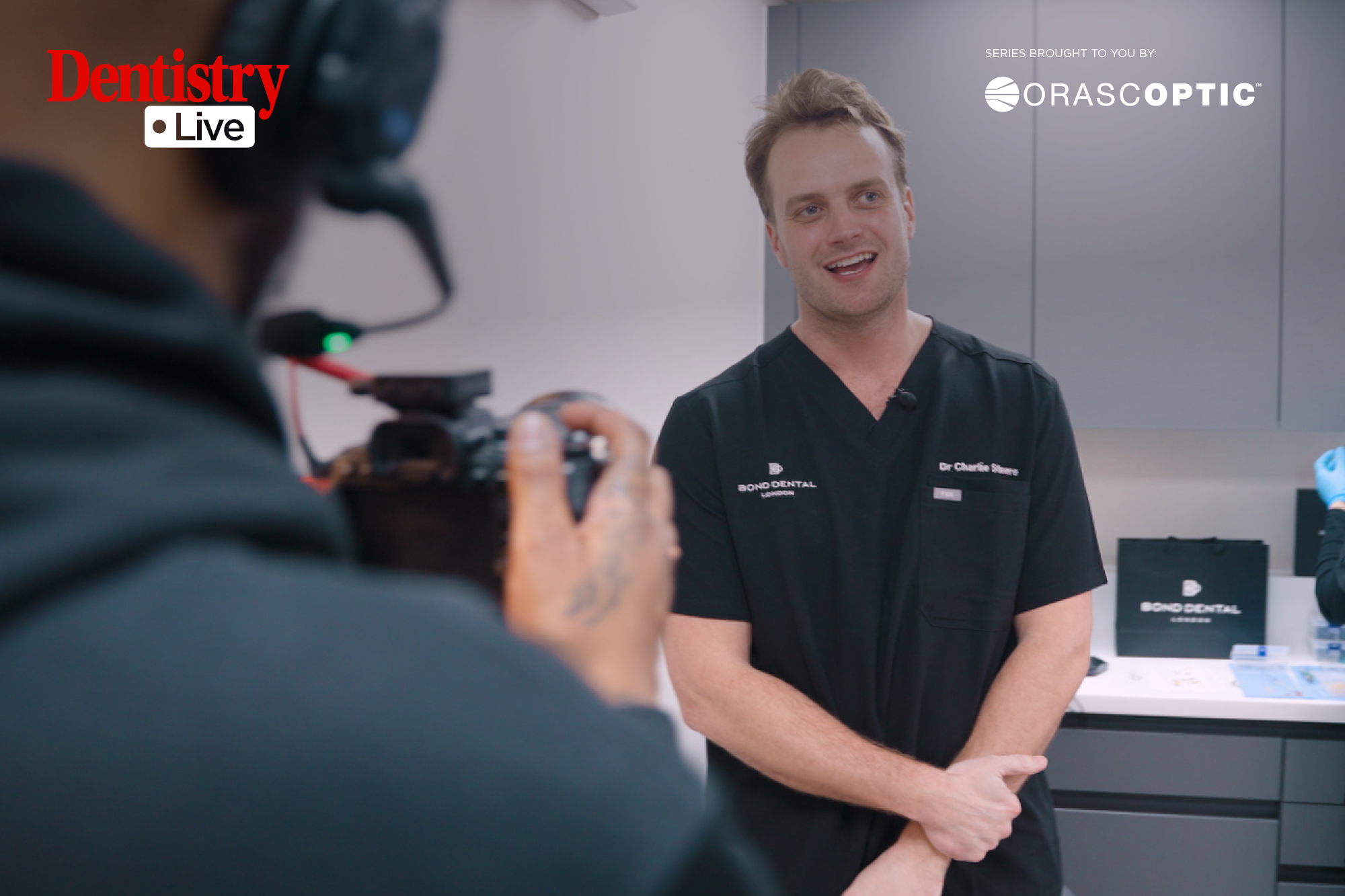
Charlie Steere shared practical composite bonding insights during a Dentistry Live session in March, emphasizing that predictable results come from clinical judgment and respect for patient anatomy rather than technique alone.
Keep composite thin and let technique serve the tooth
Steere stressed restraint in anterior composite work, aiming to keep bonding thin so natural tooth structure shows through. He explained the pull-through method using a Mylar strip to eliminate air bubbles and create seamless joints, but emphasized that knowing when to use the technique matters as much as how to use it. He advocated for flexible approaches to moisture control, noting he avoids rubber dam for bonding work because it obscures landmarks. Instead, he uses split-dam techniques or relies on positioning and communication with patients.
Challenge convention based on clinical reasoning
Steere does not pre-cure bonding agents before adding composite, a technique he learned from Tony Rotondo. He applies this approach even on posterior fillings, and explained the reasoning behind departing from standard protocol. He also noted that composite chipping relates to patient occlusion, habits, and anatomy far more than material quality. If a patient chips their teeth frequently, even excellent composite will chip. He underscored that the clinician-patient relationship underpins all treatment decisions, and that technique can be taught but trust must be earned and maintained through clear communication about what patients can realistically expect.
Frequently asked questions
Should you cure bonding agent before adding composite?
No, according to Charlie Steere. He does not pre-cure bonding agents before adding composite, even on posterior fillings. This technique, learned from Tony Rotondo, allows for better integration and is based on clinical reasoning rather than convention.
What is the pull-through method in composite bonding?
The pull-through method involves drawing a Mylar strip through the bonding layer to eliminate air bubbles and create seamless joints. Steere emphasizes knowing when to use this technique and when to adapt it based on the clinical situation.
Why does Charlie Steere avoid rubber dam for composite bonding?
Steere avoids rubber dam because he loses his anatomical landmarks. Instead, he uses split-dam approaches or relies on positioning and clear communication with patients for moisture control.
Why do composite restorations chip after placement?
Composite chips because of patient occlusion, habits, and anatomy, not because of clinician failure or material quality. Even excellent composite will chip if a patient has habits or anatomy that predispose to chipping.
How thick should anterior composite bonding be?
Steere keeps bonding very thin so that the patient's natural tooth structure shows through. This approach respects existing anatomy and makes aesthetic work nearly invisible.