Ratoncito Pérez, Spain's answer to the tooth fairy
Cultural context for paediatric dentistry conversations with Spanish and Latin American patients and families.
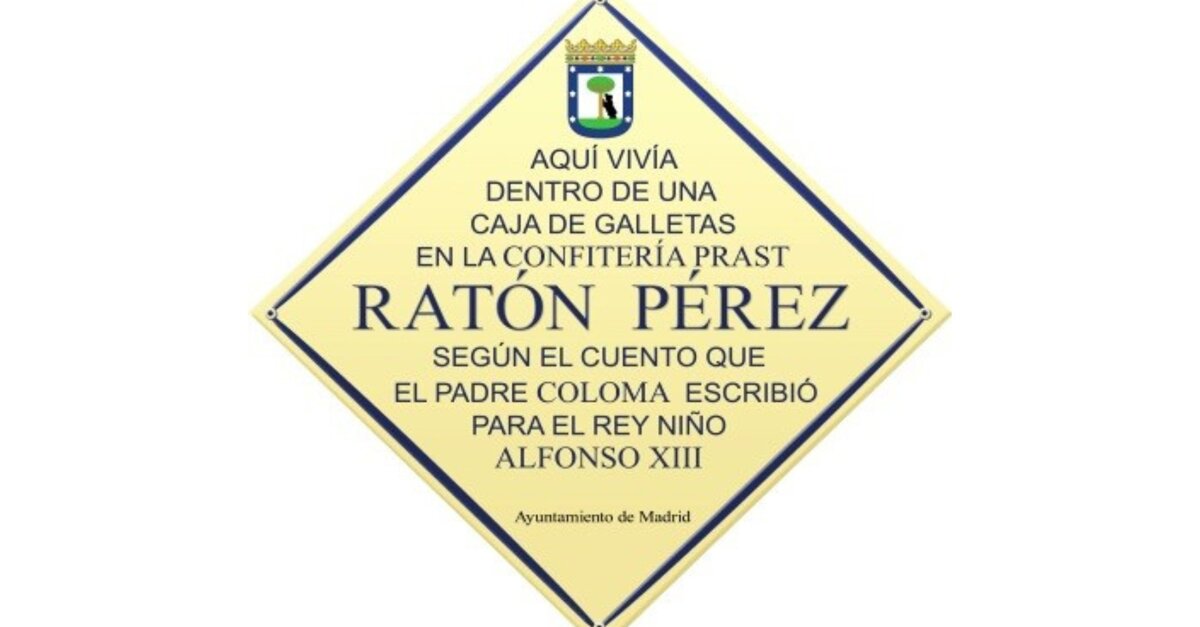
In Spanish and Latin American folklore, the tooth fairy has a murine counterpart named Ratoncito (little mouse) Pérez. The character wears a straw hat and glasses, carries a satchel over his shoulder, and collects children's baby teeth left under their pillows.
Origins in 19th-century Spanish literature
Ratoncito Pérez appears in various nineteenth-century books, most famously in an 1891 story by Jesuit and author Luis Coloma. Coloma wrote the tale at the request of Queen Regent Maria Christina of Habsburg for her then 8-year-old son, King Alfonso XIII, who had just lost his first baby tooth. In the story, the young king temporarily becomes a mouse and joins Ratoncito Pérez on an adventurous journey through Madrid, where they distribute money and small gifts to underprivileged children.
The mouse's home and modern museum
The story introduces the king to Ratoncito Pérez's family, who live in a cookie box inside a bakery on Calle Arenal in central Madrid. That location now houses the Casa-Museo de Ratón Pérez, a small museum where visitors can explore the history of the tale and the character's place in Spanish cultural tradition.
Frequently asked questions
Who is Ratoncito Pérez and what does he do?
Ratoncito Pérez is the Spanish and Latin American equivalent of the tooth fairy. He is a mouse who wears a straw hat and glasses, collects children's baby teeth left under their pillows, and stores them in a satchel he carries.
When was the Ratoncito Pérez story first written?
The most famous version of the story was written in 1891 by Luis Coloma, a Jesuit and author, at the request of Queen Regent Maria Christina of Habsburg for her young son, King Alfonso XIII.
Where does Ratoncito Pérez live according to the story?
In the tale, Ratoncito Pérez's family lives in a cookie box inside a bakery on Calle Arenal in central Madrid. That location now houses the Casa-Museo de Ratón Pérez, a museum dedicated to the character's history.
Why did Luis Coloma write the Ratoncito Pérez story?
The story was written for King Alfonso XIII when he was 8 years old and had just lost his first baby tooth. In the narrative, the young king temporarily becomes a mouse and accompanies Ratoncito Pérez on a journey through Madrid to distribute gifts to less privileged children.