Hospital oral care programme cuts pneumonia risk by 60%
Study confirms oral care reduces hospital-acquired pneumonia; dental professionals can discuss findings with medical colleagues and hospital administrators.
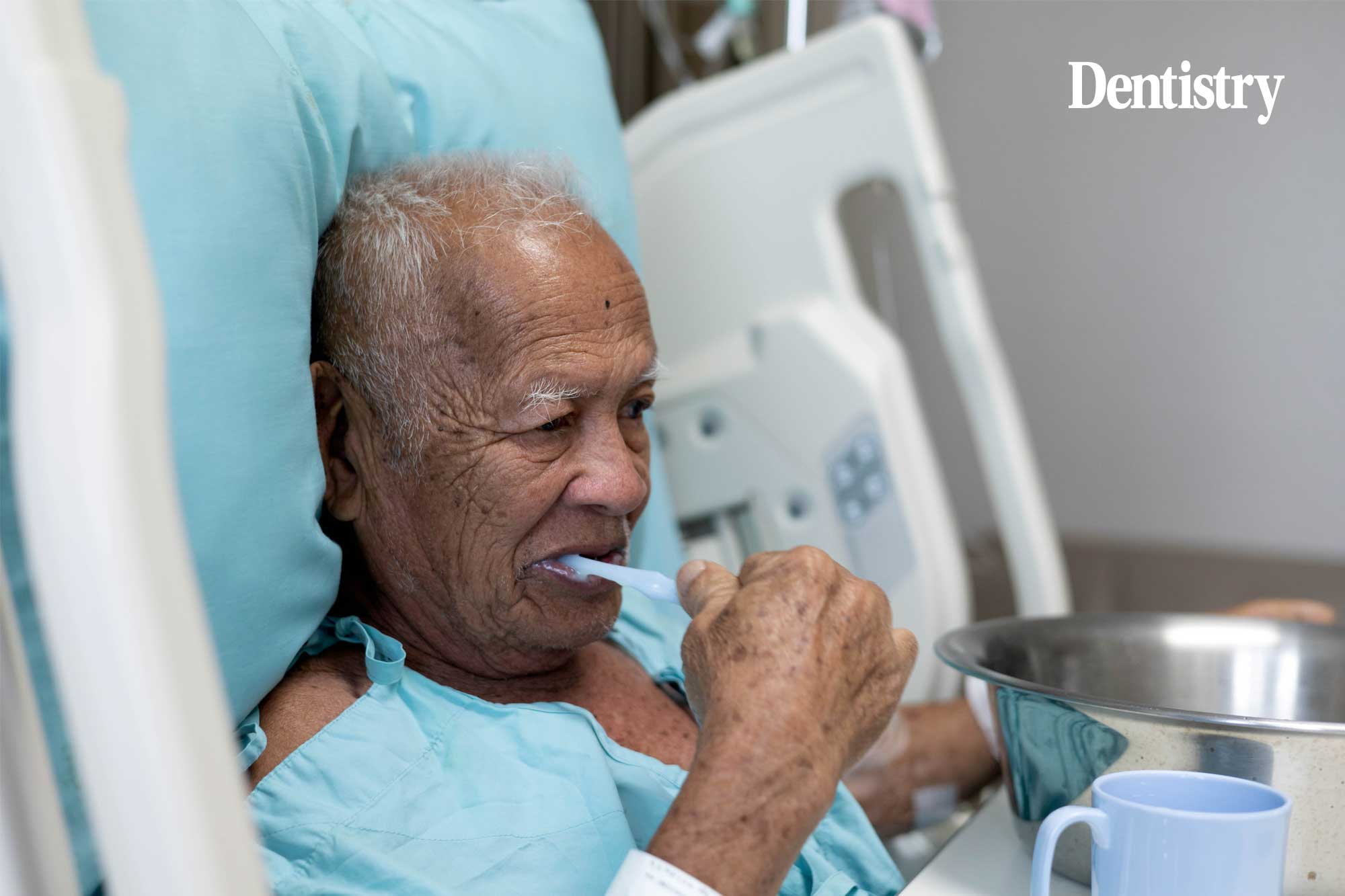
A 12-month study of 8,870 patients in Australian hospitals found that improving oral care delivery reduced hospital-acquired pneumonia cases by approximately 60%. The Hospital Acquired Pneumonia Prevention (HAPPEN) study provided patients with toothbrushes, toothpaste, and educational materials on admission, while healthcare workers received training and support. The proportion of patients receiving oral care in hospital rose from just under 16% to 61.5%, with care delivered an average of 1.5 times daily. Non-ventilator-associated hospital-acquired pneumonia (NV-HAP) cases fell from one per 100 admission days to 0.41.
Why oral hygiene affects pneumonia risk
Most hospital-acquired pneumonia results from bacteria already present in patients' bodies rather than from cross-infection. When patients cannot clear oral secretions, respiratory pathogens accumulate in the mouth and throat. Fluids from the oral cavity can enter the lungs, causing infection. Improving oral hygiene directly reduces the bacterial load in the mouth, lowering the likelihood that these pathogens will reach the lungs.
Removing practical barriers to hospital oral care
Previous studies recognised the link between oral care and pneumonia prevention, but evidence from real hospital settings was limited. The HAPPEN study identified three main obstacles: patients had limited access to suitable products, staff and patients lacked awareness of the pneumonia connection, and oral care competed with other clinical priorities. The new evidence provides robust support for implementing structured oral care programmes. Lead researcher Professor Brett Mitchell noted that guidelines already recommend oral care for pneumonia prevention, but hospitals need guidance on how to establish and sustain these programmes across wards.
Frequently asked questions
How much did the HAPPEN study reduce hospital-acquired pneumonia cases?
Non-ventilator-associated pneumonia cases fell by approximately 60%, from one case per 100 admission days to 0.41 cases per 100 admission days over the 12-month study period.
How does toothbrushing lower the risk of hospital-acquired pneumonia?
Bacteria in the mouth and throat can enter the lungs through oral secretions, causing pneumonia. Improving oral hygiene reduces these pathogens in the mouth, lowering the likelihood they will reach the lungs and cause infection.
What percentage of hospitalised patients received oral care after the HAPPEN programme?
Oral care provision increased from just under 16% to 61.5% of hospitalised patients during the programme, with care delivered an average of 1.5 times per day.
What barriers prevented oral care in hospitals before this study?
Three main obstacles were identified: limited access to suitable oral care products, low awareness among staff and patients of the link between oral hygiene and pneumonia, and competing clinical priorities.