European dentists call for modernised undergraduate dental training standards
EU-wide dental education reform effort: relevant to educators and programme accreditors reviewing curriculum standards.
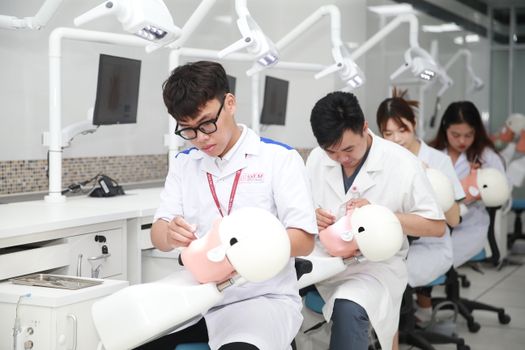
The Copenhagen Declaration, issued by European dental professionals, calls on the EU to overhaul undergraduate dental training and update clinical standards that have remained largely unchanged since 1978. The declaration signals growing concern that current training frameworks no longer reflect the realities of modern dental practice, technology, and patient care.
Why undergraduate training standards need updating
Dental education across Europe continues to follow guidelines established nearly 50 years ago. Clinical standards, curriculum scope, and competency frameworks have not kept pace with advances in digital dentistry, implantology, aesthetic procedures, and interdisciplinary care. Practitioners entering the profession may lack formal training in technologies and techniques that are now routine in contemporary practice. The declaration emphasises that updated standards would ensure new graduates are adequately prepared for current clinical demands.
What the Copenhagen Declaration recommends
The declaration urges EU regulators to establish modern undergraduate training requirements that reflect evidence-based practice, current infection control protocols, digital workflow integration, and evolving patient expectations. It calls for harmonisation of training standards across Europe to promote mobility and ensure consistent quality of care. The declaration represents a coordinated push from dental professionals to influence policy makers and accreditation bodies responsible for dental education oversight.
Frequently asked questions
What are the current dental undergraduate training standards based on?
The clinical standards used across European dental undergraduate programmes were originally established in 1978 and have not been substantially updated since then.
Why is the Copenhagen Declaration calling for changes to dental education?
The declaration argues that nearly 50-year-old standards do not reflect modern dental practice, including digital technologies, implantology, aesthetic procedures, and contemporary infection control protocols.
What does the Copenhagen Declaration recommend for EU regulators?
The declaration urges the EU to establish modern undergraduate training requirements that reflect evidence-based practice, digital integration, and current patient expectations, with harmonisation across European countries.
How would updated dental training standards affect new graduates?
Graduates would enter practice better prepared in current clinical techniques and technologies, including digital workflows and contemporary standards of care that are now routine in European dental practice.