Barriers to oral healthcare for older adults overlooked
Dental professionals may overlook seniors' access barriers; understanding them helps practices serve this growing population.
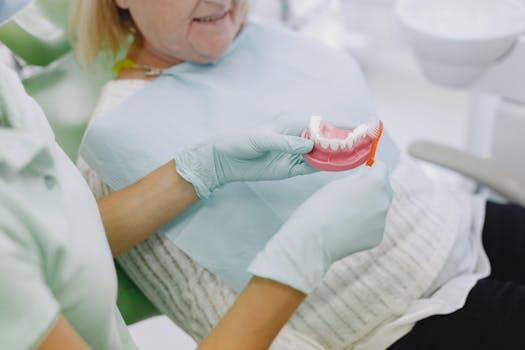
Access to dental care among older adults is increasingly recognized as an underaddressed issue in dentistry, according to leaders in the field including Caitlin Walker, manager of the Delta Dental Community Care Foundation, and Rebecca Cornille, DDS, chief dental officer at Vista Community in California. Multiple barriers prevent seniors from receiving necessary oral care, yet the profession has not fully prioritized solutions.
Why older adults face barriers to dental care
Older adults encounter compounding obstacles when seeking dental treatment. Transportation difficulties, fixed incomes, mobility limitations, and cognitive changes can all reduce access to regular care. Additionally, some seniors live in areas with few dentists who accept their insurance or offer services tailored to patients with complex medical needs. The cumulative effect of these barriers leaves many older adults without adequate oral healthcare.
Implications for dental practice and public health
The profession's relative inattention to this population creates both clinical and public health consequences. Untreated oral disease in older adults can lead to systemic health complications, malnutrition, and reduced quality of life. Practices and organizations that develop targeted approaches to serve seniors, whether through home visits, flexible scheduling, or care coordination with medical providers, can help close this access gap. Addressing senior oral health also aligns with broader aging-in-place initiatives in healthcare.
Frequently asked questions
What barriers prevent older adults from accessing dental care?
Common barriers include transportation difficulties, fixed incomes, mobility limitations, cognitive changes, and geographic shortages of dentists who accept their insurance or treat complex medical cases. These obstacles often compound, making regular dental visits difficult for seniors.
Why is oral healthcare access for seniors a practice management concern?
Dental practices that develop targeted services for older adults, such as home visits or flexible scheduling, can expand their patient base while addressing an underserved population. Care coordination with medical providers also improves outcomes and practice reputation.
What health risks result from untreated oral disease in older adults?
Untreated dental disease can lead to systemic infections, malnutrition, difficulty eating, and reduced quality of life. Oral health problems in seniors also increase the risk of complications with other chronic conditions.
How can dentists better serve older adult patients?
Practices can offer home-based visits, extended appointment times, simplified treatment plans, staff training in geriatric care, and partnerships with medical providers and social services to address transportation and other access barriers.