Creating inclusive dental care for neurodivergent patients
Practical guidance for adapting your clinic environment and communication style to serve neurodivergent patients more effectively.
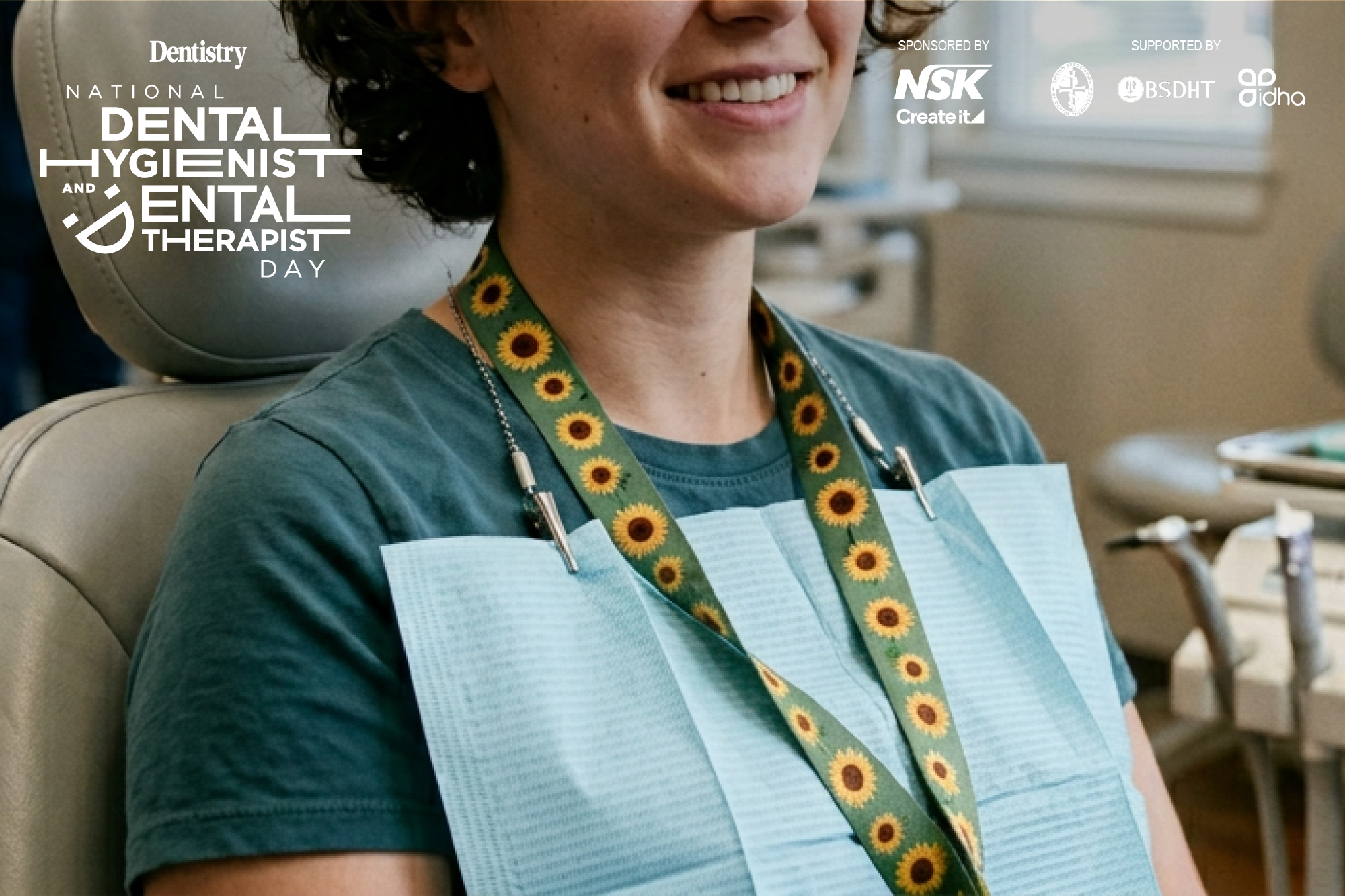
Dental professionals can improve care for neurodivergent patients by tailoring their approach to individual sensory, communication, and emotional needs. Anna Charters outlines practical strategies for creating a more comfortable and accessible dental experience.
Effective communication with neurodivergent patients
Many neurodivergent patients struggle with dental terminology and complex instructions. Using simple, literal language and allowing extra processing time helps them understand what to expect. Some patients prefer communication directed to their parent or carer rather than themselves, as continuous verbal interaction can increase anxiety. Visual aids such as diagrams or photographs, and social stories describing the appointment procedure in advance, help reduce uncertainty and allow patients to prepare mentally for their visit.
Adapting the clinical environment for sensory comfort
Sensory sensitivities are common among neurodivergent patients. Managing noise by turning off background radio, limiting suction use, and offering ear defenders can reduce stress. Strong smells from air fresheners and stored chemicals may trigger discomfort, so removing these helps. Adjusting light levels, using loupe lights or dark safety glasses, and allowing patients to rinse between procedures eases taste and light sensitivity. For patients with balance or body awareness challenges, semi-reclining positioning instead of full recline may reduce dizziness. Assessing touch tolerance and adjusting instrument pressure ensures safety and comfort during treatment.
Building familiarity and consistency
Many neurodivergent patients experience anxiety when facing unfamiliar situations. Assigning the same clinician and nurse across visits, using the same treatment room, and scheduling appointments during quieter periods provides stability. Sending photographs of the waiting room, toilets, and clinical team before the appointment helps patients mentally prepare. Pre-appointment calls or forms allow practitioners to learn about each patient's individual circumstances, enabling tailored care that fosters safety and understanding. Flexibility and adaptability across all interactions remain central to supporting this patient population effectively.
Frequently asked questions
How should I communicate with a neurodivergent patient who struggles with dental terminology?
Use simple, literal language and allow extra time for the patient to process information. Consider directing communication to their parent or carer if the patient prefers, and provide visual aids such as diagrams or social stories describing the appointment procedure in advance.
What sensory adjustments can I make to my clinic for hypersensitive patients?
Turn off background radio, limit suction use, remove air fresheners, dim overhead lights or use loupe lights, and offer ear defenders. Allow patients to rinse between procedures and adjust instrument pressure according to their touch tolerance.
Why is consistency important for neurodivergent dental patients?
Many neurodivergent patients experience anxiety with unfamiliar situations. Assigning the same clinician and nurse, using the same treatment room, and scheduling during quieter periods reduces stress and helps patients feel more secure and prepared.
What should I do before a neurodivergent patient's first appointment?
Send a form or make a phone call to understand their individual needs. Share photographs of the waiting room, toilets, and clinical team, and provide a social story outlining the procedure so they can prepare mentally for the visit.
How do I handle balance or pressure awareness challenges in neurodivergent patients?
For vestibular sensitivity, offer semi-reclined positioning instead of full recline to reduce dizziness. For patients with pressure awareness issues affecting brushing, adjust your treatment technique and home care advice to address either over-brushing or under-brushing habits.