7% of UK adults have attempted DIY dentistry, survey shows
Survey data on DIY dentistry prevalence and regional access gaps shows practice implications for emergency management.
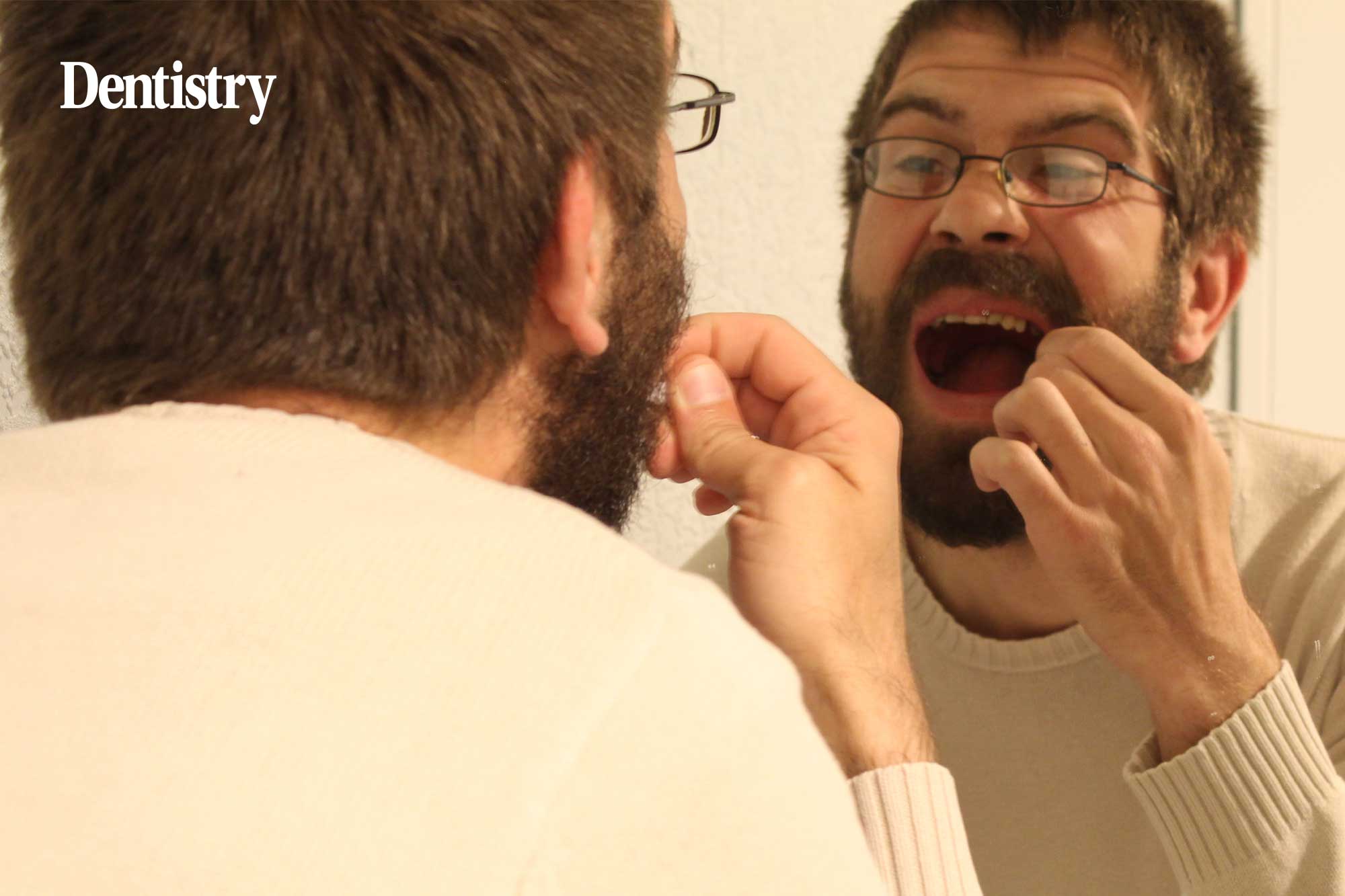
A survey of 2,000 UK adults carried out in February 2026 found that around 7% have performed some form of DIY dentistry, with regional variation reaching as high as 14% in Plymouth. The most common procedures included pulling out a loose or painful tooth with pliers (35%), using numbing oils like clove oil (44%), gluing a crown or filling back in place (30%), and filing down a chipped tooth (29%). Almost one fifth (18%) had attempted to drain an abscess with a sharp tool.
Why people resort to DIY dentistry
One third of those who attempted DIY dentistry cited the cost of private care as prohibitively high, while three in 10 said they could not secure an NHS dental appointment. More than one quarter (26%) reported that their pain was severe enough to justify immediate action without professional help. The British Dental Association has warned that DIY dentistry is becoming rampant across the UK, with BDA chair Eddie Crouch noting that dentists in hospitals are witnessing outcomes reminiscent of the Victorian era.
Regional disparities and access gaps
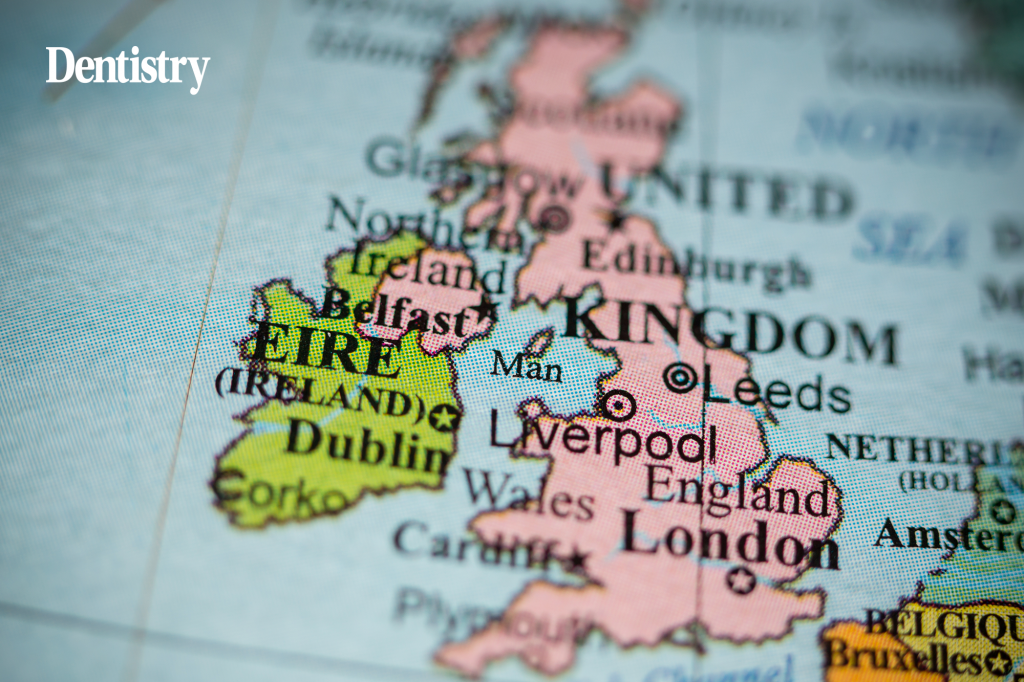
The survey identified significant geographical variation in DIY dentistry rates. Plymouth reported the highest prevalence at 14.3%, followed by Glasgow at 10.5% and Manchester at 10.1%. Cities struggling most to obtain NHS dental appointments included Bristol (23%), Cardiff (18%), and Stoke-on-Trent (12%), with considerable overlap between access problems and DIY dentistry prevalence. In response to access barriers, new training centres are being established. The Three Counties Dental School in Gloucester will begin a dental hygiene programme with construction starting within the month, delivering NHS community dental services from spring 2027.
Consumer expert Vix Leyton warned that DIY dentistry typically worsens problems rather than resolving them, resulting in more complex and expensive treatment later.
Frequently asked questions
What percentage of UK adults have tried DIY dentistry?
Around 7% of UK adults surveyed in February 2026 reported attempting some form of DIY dentistry, with regional rates as high as 14% in Plymouth. The most common procedures were using numbing oils (44%), pulling out a tooth with pliers (35%), and gluing a crown back in place (30%).
Why are people in the UK attempting to do their own dentistry?
One third cited high private care costs, three in 10 said they could not get NHS appointments, and 26% reported pain severe enough to require immediate action. These barriers are driving people to attempt treatments at home rather than seek professional help.
Which UK cities have the highest rates of DIY dentistry?
Plymouth has the highest rate at 14.3%, followed by Glasgow (10.5%) and Manchester (10.1%). The survey found significant overlap between cities with high DIY dentistry rates and those where residents struggle to access NHS dental appointments.
What are the consequences of DIY dentistry?
Consumer experts warn that DIY dentistry rarely solves problems and typically makes conditions more painful, complex, and expensive to treat professionally later. Common complications include infections, permanent tooth damage, and the need for more extensive intervention.
Is anything being done to improve NHS dental access in the UK?
New dental training centres are being established to provide affordable care. The Three Counties Dental School in Gloucester will begin a dental hygiene programme with construction starting within the month, delivering NHS community dental services from spring 2027.