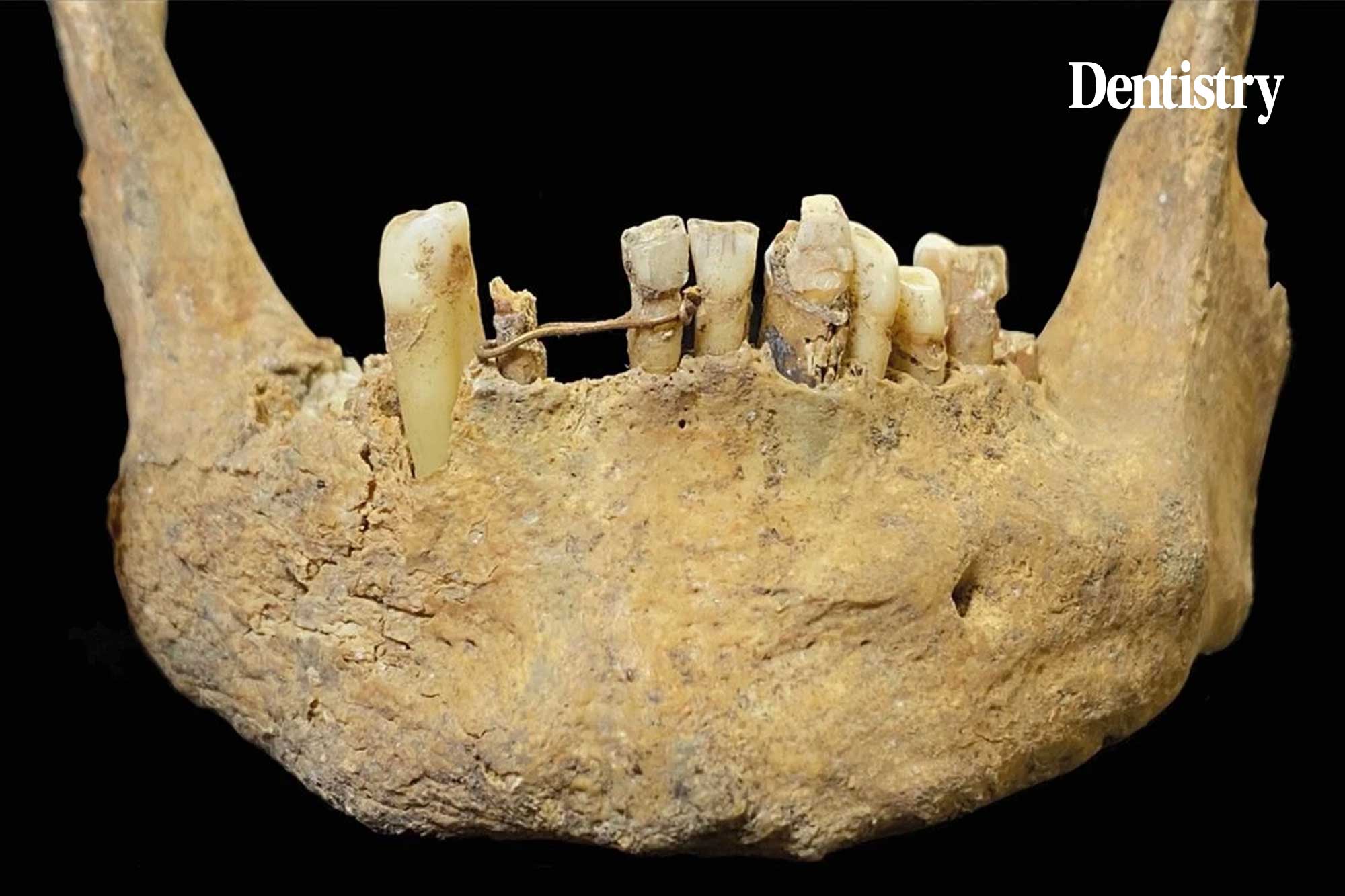
Wool-based keratin membrane shows promise as collagen alternative in bone regeneration
First animal model evidence that wool keratin membranes match or exceed collagen performance in bone regeneration, with cost and sustainability advantages.
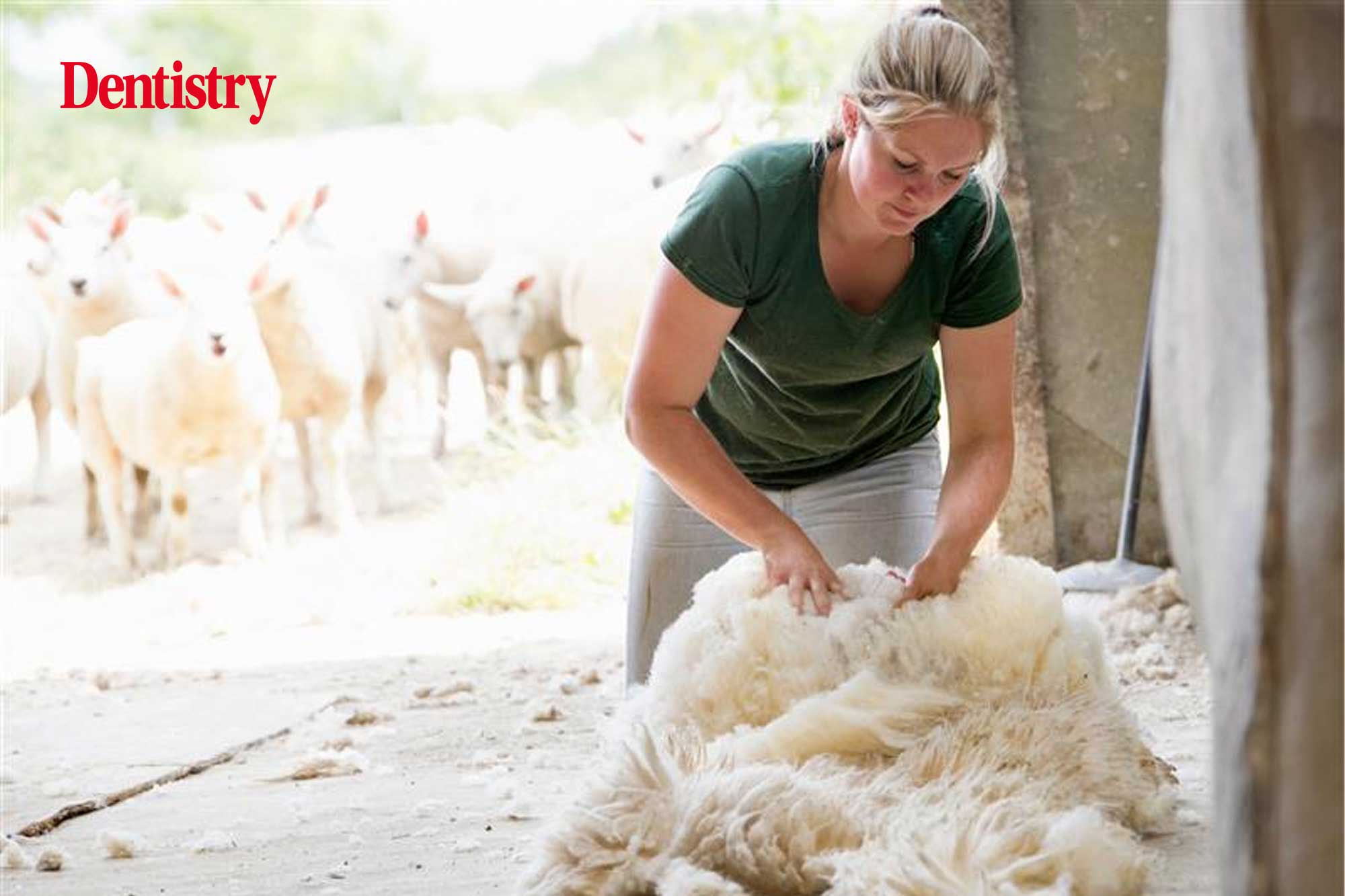
Researchers at King's College London have developed a keratin-based membrane derived from wool that demonstrates potential as an alternative to collagen in guided bone regeneration (GBR) procedures. The team, led by Dr Sherif Elsharkawy, tested the membranes in animal models with skull defects large enough to require intervention, comparing performance against the current gold standard collagen barriers.
How keratin membranes performed in testing
While collagen membranes produced greater overall bone volume, the keratin scaffolds generated tissue that was more organised and structurally secure. The wool-derived membranes created better-aligned fibres that more closely resembled natural, healthy bone. The membranes integrated smoothly with surrounding tissue and remained stable throughout the healing period. Prior to animal testing, the team validated the membranes against human bone cells in laboratory settings, where cells showed clear signs of healthy bone formation.
Advantages over collagen for clinical practice
Collagen membranes currently prevent soft tissue ingrowth while allowing bone regeneration, but face well-documented limitations. They break down too quickly under load, lack mechanical strength, and are costly to extract and process. Keratin membranes address these issues with superior structural integrity. Additionally, wool is a renewable by-product of the farming industry and is widely available, making keratin membranes potentially cheaper and easier to source at scale than collagen. The research positions keratin as a new class of regenerative biomaterial that could shift reliance away from collagen-based solutions.
Frequently asked questions
How did wool-based keratin membranes compare to collagen in bone regeneration?
In animal models, collagen produced greater total bone volume. However, keratin membranes created more organised and structurally secure tissue with better-aligned fibres that more closely resembled natural bone, and they remained stable throughout the healing period.
Why might keratin membranes be cheaper than collagen?
Keratin is derived from wool, a renewable by-product of the farming industry that is widely available. Collagen, by contrast, is costly to extract and process, making keratin potentially more economical to source at scale.
What limitations do current collagen membranes have?
Collagen membranes break down too quickly under load, lack sufficient mechanical strength, and are expensive to extract and process, despite being the current gold standard in guided bone and tissue regeneration.
What testing has been done on keratin membranes so far?
Researchers validated keratin membranes against human bone cells in the laboratory, then tested them in animal models with skull defects that required intervention. Both stages showed successful bone formation and tissue integration.