16th-century Scottish skeleton shows early gold dental bridge
Demonstrates that complex aesthetic dental interventions existed 500 years before modern dentistry was established as a profession.
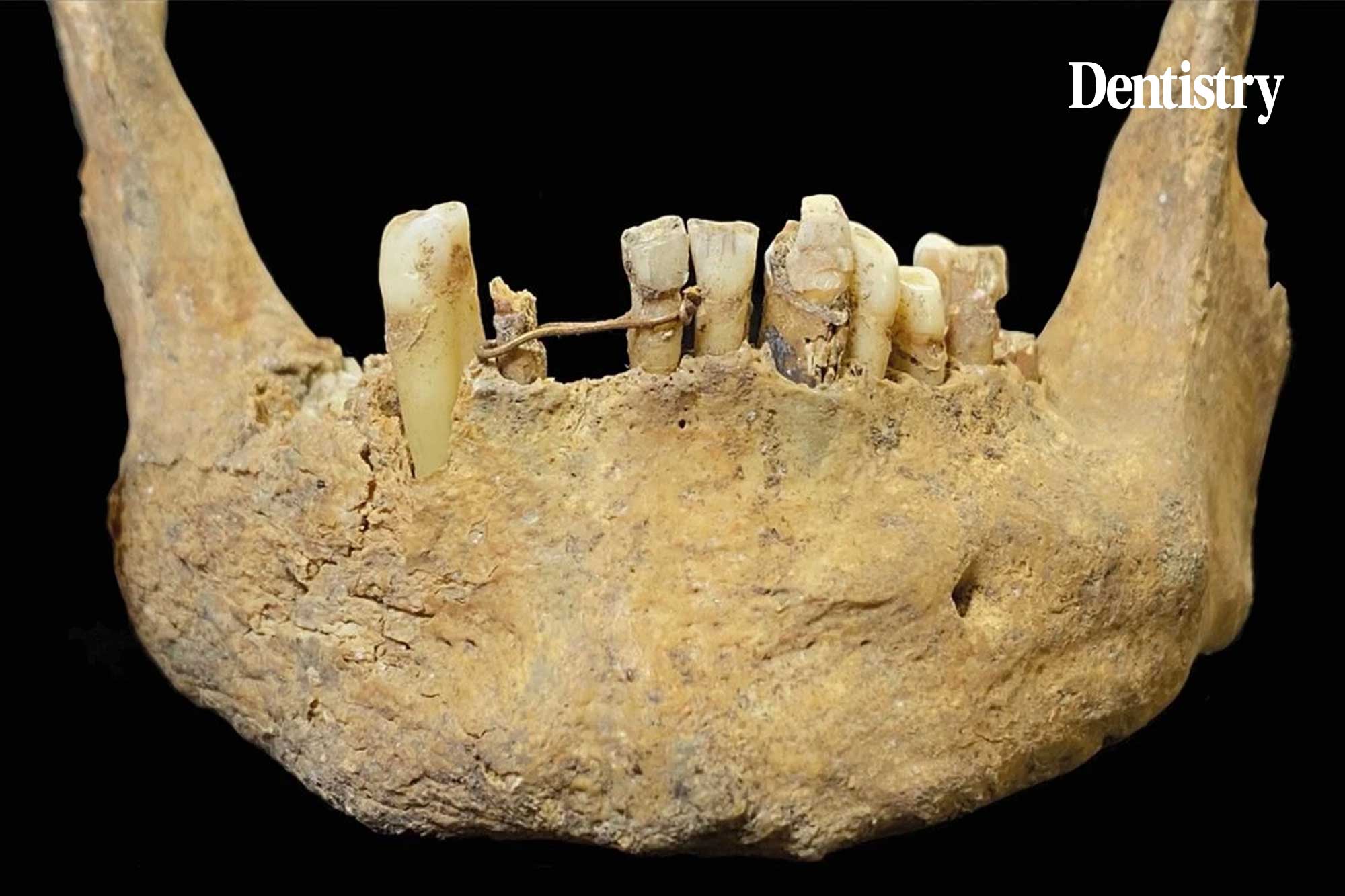
Researchers have identified a gold ligature fixed to the teeth of a Scottish man who lived around the 16th century as possibly the first decorative metallic dental bridge in history. Discovered at St Nicholas Kirk in Aberdeen, the device was crafted from 20-carat gold and attached to the right lateral and left central mandibular incisors to support either a missing right central incisor or one that required stabilization. The bridge likely served aesthetic rather than purely functional purposes.
Why appearance mattered in medieval dentistry
In the medieval period, outward appearance was closely tied to perceptions of moral character and health. The researchers noted that 'the appearance of a person and their perceived health was linked to one's sins', creating demand for cosmetic dental interventions. The individual who received this gold bridge was almost certainly wealthy, as the cost of gold would have been prohibitive for most people. Gold alloy wire was preferred for dental work because of its resistance to corrosion and tarnishing, as well as its biocompatibility with tissue.
Complex dentistry before the profession existed
Since dentistry was not established as a standalone profession until the 19th century, the researchers believe the bridge would have been placed by a jeweller, barber, or an early tooth puller rather than a trained dentist. At least 22 goldsmiths were active in the Aberdeen area during this period and would have possessed the skill to produce fine gold wire. While ligatures dating to ancient Egypt are older, this is the earliest example found in Scotland. The discovery adds to mounting evidence that restorative and prosthetic techniques existed centuries before modern dentistry was formalized.
Frequently asked questions
What is the gold ligature found in the Scottish skeleton?
A 20-carat gold bridge attached to the mandibular incisors of a 16th-century Scottish man, discovered at St Nicholas Kirk in Aberdeen. It was fixed to two lower front teeth to support either a missing tooth or one requiring stabilization, likely for aesthetic purposes.
Why would a medieval person have a decorative gold dental bridge?
In the medieval period, outward appearance was linked to perceptions of moral character and health. Only wealthy individuals could afford gold dental work, making it a status symbol as well as a cosmetic intervention.
Who would have placed this gold bridge in the 16th century?
Dentistry was not a standalone profession until the 19th century, so the bridge was likely placed by a jeweller, barber, or early tooth puller. At least 22 goldsmiths were active in the Aberdeen area at the time and would have had the necessary skills.
Is this the oldest dental ligature ever found?
No. Ligatures dating to ancient Egypt are older, but this is the earliest example discovered in Scotland and possibly the first decorative metallic bridge designed primarily for aesthetics rather than function.