Dental anxiety comes in many forms: clinicians must distinguish causes
Practical guide to identifying root causes of patient anxiety in your practice and matching management to diagnosis.
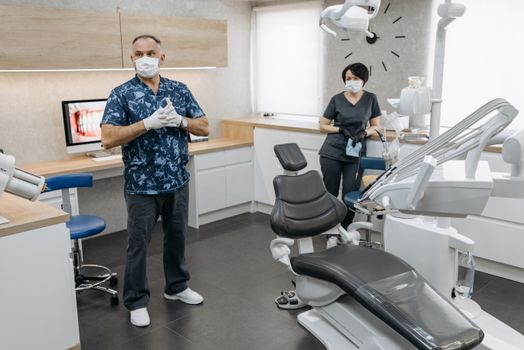
Anxious behaviour in the dental chair is often labelled dental anxiety or phobia, but may stem from different underlying conditions requiring distinct clinical approaches. A new overview in the Netherlands explains how to differentiate dental anxiety from other anxiety disorders presenting in the practice setting.
Why distinguishing anxiety types matters in dentistry
Fear is a protective emotion, but when it manifests during dental treatment, clinicians frequently misinterpret its origin. Patient anxiety behaviour can reflect genuine dental anxiety, specific phobias unrelated to dentistry, generalised anxiety disorder, trauma responses, or other conditions altogether. Misdiagnosis leads to ineffective management. Understanding the true source of fear allows the treatment team to select appropriate interventions tailored to the actual problem rather than assuming all anxious patients respond to standard dental anxiety protocols.
Clarifying anxiety terminology in clinical practice
Confusion exists in Dutch practices around terminology. The article distinguishes between fear as a normal emotion, anxiety disorders where fear is a core feature, and how these conditions manifest in the dental setting. Some anxiety presentations are specific to dental procedures; others reflect broader psychological conditions that happen to emerge during dental care. This distinction is crucial for referral decisions and treatment planning. Clinicians who can identify whether a patient's anxiety is dentistry-specific or rooted in a generalised condition or trauma history can provide better care and know when specialist psychological input is warranted.
Frequently asked questions
Why is it wrong to assume all anxious dental patients have dental phobia
Anxiety in the dental chair can originate from generalised anxiety disorder, trauma, specific phobias unrelated to dentistry, or other conditions. Misidentifying the source leads to ineffective treatment. Proper diagnosis determines whether anxiety is dentistry-specific or reflects a broader psychological condition requiring different management.
What is the difference between normal fear and an anxiety disorder in dentistry
Fear is a protective emotion everyone experiences in threatening situations. An anxiety disorder involves excessive or persistent fear that interferes with function. In dentistry, normal fear of pain or injections differs from clinical anxiety disorders, which require specialist assessment and may need psychological referral.
How should a dentist respond when a patient shows anxiety during treatment
First, identify the source of anxiety. Determine whether it is specific to dental procedures or reflects a generalised condition such as trauma or broader anxiety disorder. This informs your approach: standard dental anxiety techniques may suffice for dentistry-specific fear, but other conditions may require psychological assessment or referral.
What does the terminology confusion about dental anxiety mean for practice management
Clinicians often use terms like dental anxiety and dental phobia interchangeably, causing diagnostic confusion. Clear terminology distinguishes fear as emotion, anxiety disorders with fear as a core feature, and how these manifest in dental settings. This clarity improves referral accuracy and treatment outcomes.