Maryland dental assistant sentenced for illegal opioid sales
Dental practices must audit controlled substance inventory and staff access to prevent opioid diversion liability.

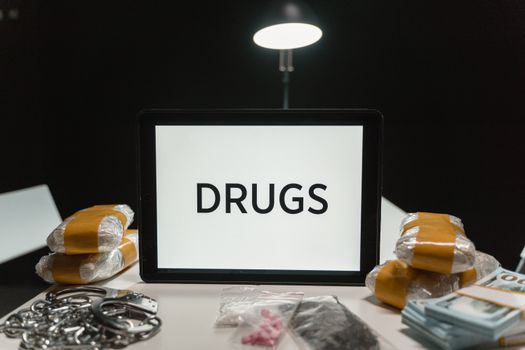
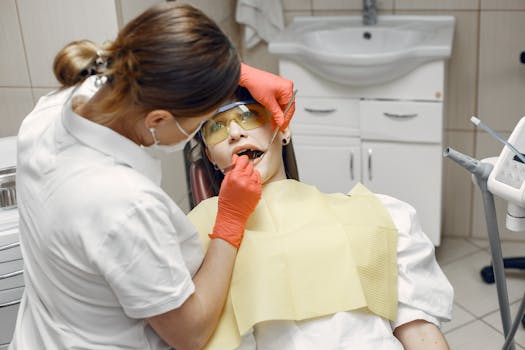
A Baltimore dental assistant and two family members have been sentenced for illegally distributing oxycodone to a licensed dentist. Samantha Cook, who worked at Perry Hall Family Dental in Maryland, sold more than $100,000 worth of oxycodone over 18 months to dentist Andrew Fried.
Opioid diversion and dental practice risks
The case illustrates the vulnerability of dental practices to prescription drug diversion. Staff with access to controlled substances and supply chains can exploit their position to sell drugs illegally. Dental practices must implement robust inventory controls, staff screening, and monitoring systems to prevent such schemes. This includes regular audits of prescription records and controlled substance logs.
Regulatory and professional consequences
Convictions for drug distribution carry serious legal penalties and threaten professional licenses. Dentists who receive diverted medications face legal liability, license suspension, and practice closure. The case underscores the importance of verifying the legitimacy of all pharmaceutical sources and reporting suspicious activity to state dental boards and law enforcement.
Frequently asked questions
What is opioid diversion in a dental practice?
Opioid diversion occurs when prescription opioids are illegally obtained, distributed, or used outside legitimate patient care. In this case, a dental staff member sold prescription oxycodone to a dentist, bypassing legal pharmaceutical channels and regulatory oversight.
How can a dental practice prevent staff from illegally distributing controlled substances?
Practices should implement regular inventory audits of all controlled substances, limit staff access to prescription supplies, conduct background checks on employees, and monitor prescription records closely. Staff training on compliance and reporting suspicious activity is also essential.
What are the legal consequences for a dentist receiving diverted opioids?
A dentist who knowingly receives diverted medications faces criminal charges, license suspension or revocation, civil liability, and practice closure. Even unknowing receipt can trigger investigations and regulatory action if the dentist failed to exercise reasonable diligence in verifying pharmaceutical sources.
Who should dental practices report suspected opioid diversion to?
Practices should report suspected diversion to the state dental board, the DEA Diversion Investigators, and local law enforcement. Most states have confidential hotlines and reporting mechanisms to protect whistleblowers.